






The rapid advancement of artificial intelligence (AI) is no longer a futuristic concept – it’s actively impacting how we work and live today. This shift is also being felt on Capitol Hill, where members of Congress are beginning to experiment with AI tools in their daily routines. However, the implications of this technology for their offices, and the crafting of national policy, are still being carefully evaluated, marked by a spectrum of acceptance and caution.
AI Enters the Halls of Congress
The initial adoption of AI tools by lawmakers appears to be focused largely on boosting efficiency. Senator Tim Kaine of Virginia, for example, acknowledges the potential benefits, stating he’s “fine with people using it, if it’s a shortcut to getting good work done.” His primary concern, and that of several colleagues, revolves around maintaining the quality of output. He insists on rigorous checking to ensure that AI-generated content doesn’t compromise thoroughness or thoughtful analysis, demanding accountability from his staff. This sentiment highlights a key tension: leveraging AI’s speed without sacrificing the depth of legislative work.
Varying Approaches to AI Policy
The response to AI isn’t uniform across Capitol Hill. Some offices are proactively establishing formal guidelines for its use, while others are adopting a more wait-and-see approach. Senator Chris Murphy of Connecticut confirmed his office is “in the process of establishing rules around AI use,” suggesting a more structured integration of the technology.
However, others are less focused on creating strict rules. Senator Elizabeth Warren of Massachusetts frames AI usage in a similar light to using search engines like Google. “I don’t have a particular policy…In each case, it’s important to go back and verify that what you’ve gotten is accurate,” she says. Her stance positions AI as a supplemental tool, emphasizing the need for human verification and critical thinking. She underscores the importance of understanding both the advantages and potential pitfalls of AI technologies.
Concerns About Authenticity and Effort
Despite the growing acceptance, concerns remain about the potential for AI to diminish the quality of work and even encourage laziness. Representative Greg Murphy of North Carolina represents the most skeptical viewpoint, famously stating he wants his staff to “use their brains. It’s why God gave it to them.” He expresses a desire to avoid relying on AI to the point where his team loses its intellectual edge.
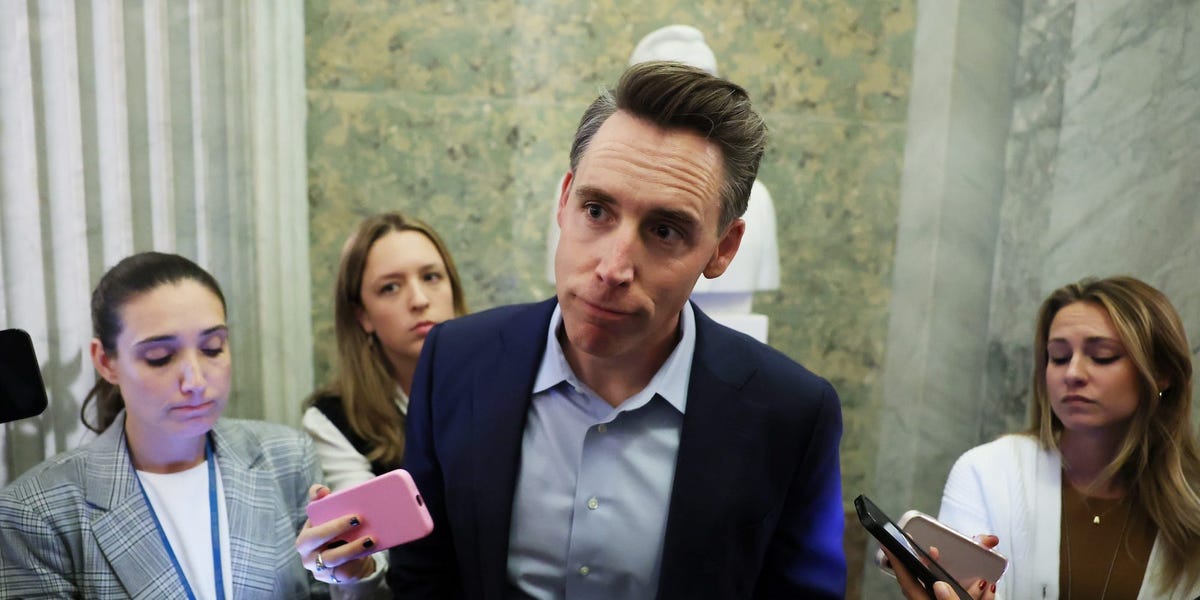
Senator Josh Hawley of Missouri echoes this sentiment, admitting his office “discourages it in general,” though without an official ban in place. He firmly draws a line against using AI for actual writing – whether it’s drafting statements or generating reports – preferring original thought and direct authorship. This reflects a broader debate regarding the value of human-created content versus AI-assisted production, particularly in a field predicated on nuanced understanding and careful consideration.
Current Trends in AI Workplace Adoption
The Congressional experience isn’t isolated. Recent data from Gallup reveals a significant increase in AI adoption within the broader US workforce. The poll indicates 23% of employees now use AI in the workplace weekly, while 45% utilize it at least a few times a year.
The most common applications identified include data consolidation, continuous learning, idea generation, and automation of routine tasks. This suggests that, like Congress, many organizations are initially focusing on AI’s potential to streamline workflows and free up employees for more strategic initiatives. This also points to the need for workforce training on how to effectively use and evaluate AI-generated output.
Nuanced Policies and Transparency
Representative Alexandria Ocasio-Cortez takes a particularly nuanced approach. While her staff are generally permitted to use AI, a strict policy prohibits its use in drafting legislation or handling sensitive constituent information. This safeguards the integrity of the legislative process and protects the privacy of individuals she represents.
Furthermore, she plans to implement a disclaimer on official correspondence, explicitly stating whether AI was used in its creation. This commitment to transparency – mirroring Senator Kaine’s plan – is a critical step in building public trust as AI becomes more integrated into government operations. The goal is to assure constituents that communication remains genuine and personally addressed, not a generic AI response.
In conclusion, the integration of artificial intelligence into the work of the US Congress is a rapidly evolving process. While the potential benefits of increased efficiency are acknowledged, concerns about quality, originality, and ethical considerations remain paramount. The different approaches taken by lawmakers – from establishing formal policies to offering cautious encouragement – reflect the complexities of navigating this technological frontier. Transparency and ongoing evaluation will be crucial as Congress seeks to harness the power of AI while upholding its responsibilities to the American people.


