


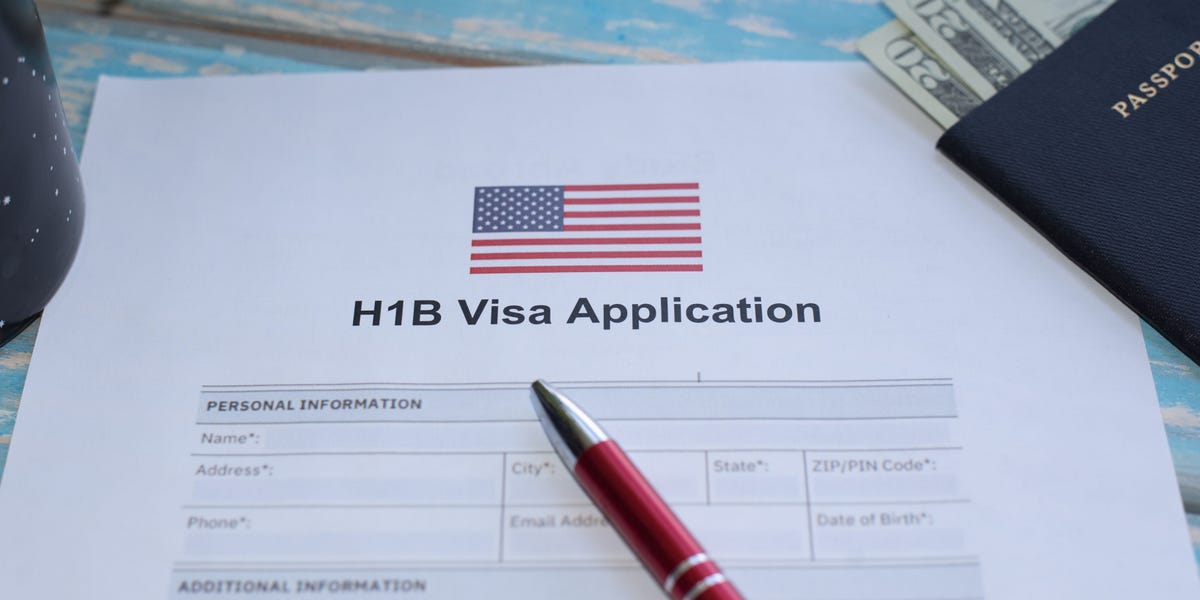
The world’s leading technology companies are facing a growing challenge impacting thousands of employees on work visas in the United States. A significant slowdown in visa processing, triggered by new and stringent social media screening requirements imposed by the US State Department, is causing extensive delays at embassies and consulates globally. This situation is creating considerable uncertainty for tech workers and forcing companies like Google, Apple, Microsoft, and ServiceNow to advise their employees against international travel. The core issue revolves around the difficulty of obtaining timely US visa stamping, a crucial step for maintaining legal work status.
The Root of the Problem: Enhanced Visa Screening
The recent surge in delays isn’t due to a backlog in applications, but rather a shift in priorities. According to a statement from the Department of State, they are now conducting “online presence reviews for applicants.” This means a thorough vetting of applicants’ social media activity and online footprint, a process that significantly increases processing times.
While the State Department maintains this is a necessary step to ensure national security, the impact on the tech industry is substantial. Previously, visa stamping appointments were relatively easy to secure. Now, employees are reporting appointment dates being pushed out as far as June 2026, particularly at consulates in India and, increasingly, in Ireland and Vietnam. This new reality is a stark contrast to the past, where efficiency was the primary focus.
Impact on Major Tech Companies and Employees
The delays are causing a ripple effect throughout the tech sector. Companies are scrambling to manage the situation and provide guidance to their affected employees. Internal memos, obtained by Business Insider, reveal the extent of the concern.
Microsoft, in a memo from Associate General Counsel Jack Chen, explicitly warned employees against unnecessary international travel. Google, through its immigration counsel Berry Appleman & Leiden LLP (BAL), advised employees to avoid travel to prevent being stranded outside the US for extended periods. Apple’s immigration team echoed this sentiment, urging employees to postpone non-essential trips. ServiceNow also issued guidance, outlining the potential for appointment cancellations and the process for requesting expedited appointments in cases of emergency.
The situation is particularly difficult for H-1B visa holders, the most common type of work visa used in the tech industry. These individuals must have a valid visa stamp in their passport to re-enter the US, even if their H-1B status is still active. An expired stamp, coupled with lengthy appointment delays, can effectively prevent employees from returning to work, potentially jeopardizing their careers. Work visa delays are now a major concern for the industry.
Specific Scenarios and Guidance
The memos outline different scenarios and provide preliminary guidance:
- Employees Currently Outside the US: If an H-1B appointment has been rescheduled, companies are contacting affected individuals directly to discuss options. If a current visa stamp is still valid, returning before its expiration is advised.
- Employees Still in the US with Upcoming Travel: Those needing a new visa stamp are strongly encouraged to reconsider their travel plans. The risk of being unable to return to the US is now very high.
- Employees with Unchanged Appointments: Even if an appointment hasn’t been rescheduled yet, there’s a risk it could be moved, so careful consideration is needed before traveling.
Companies are also exploring options for employees facing emergencies, such as medical issues or family crises, to request expedited appointments. However, success isn’t guaranteed, and the process is reportedly challenging.
The Role of Social Media in Visa Processing
The new emphasis on social media screening is a key factor contributing to the slowdown. While the exact criteria used in these reviews remain unclear, it’s understood that the State Department is looking for potential red flags that could indicate security risks or misrepresentation of information on the visa application. This increased scrutiny, while intended to enhance security, is adding significant time and complexity to the visa application process.
The change, effective December 15th, has forced consulates to reduce their daily processing capacity as they implement the new vetting procedures. This operational constraint is directly responsible for the extended appointment wait times.
What’s Next?
The situation remains fluid and is evolving rapidly. Tech companies are actively gathering data from their employees to understand the full extent of the delays and identify trends across different consulates. They are also engaging with the State Department to advocate for more efficient processing and clearer guidance.
For employees on work visas, the advice is clear: avoid non-essential international travel and stay informed about the latest updates from your company’s immigration team. The uncertainty surrounding US immigration is high, and proactive planning is essential.
The long-term implications of these delays are still unknown. However, it’s clear that the tech industry is facing a significant challenge in maintaining its workforce and ensuring the smooth operation of its global businesses. Continued monitoring and advocacy will be crucial in navigating this complex landscape.


