






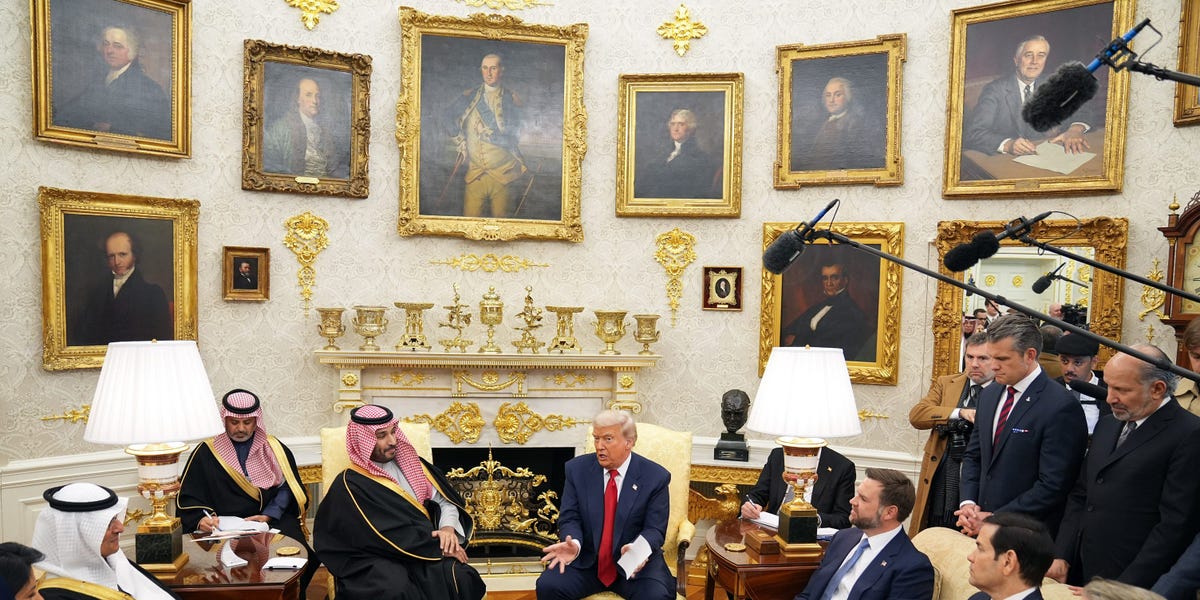
The Oval Office is arguably the most iconic workspace in the world, a symbol of American power and leadership. Since its creation under President William Howard Taft in 1909, each president has left their personal mark on the room, reflecting their individual style and priorities. From subtle changes in color schemes to significant alterations in furniture and artwork, the evolution of the Oval Office provides a fascinating glimpse into the personalities and presidencies that have shaped the United States. This article will explore the transformations of this historic space, highlighting the key design choices made by each leader and the stories behind them. Understanding these changes offers a unique perspective on American history and the individuals who have occupied the highest office in the land.
A Century of Change: The History of the Oval Office
The story of the Oval Office begins with a need for more functional workspace for the burgeoning executive branch. Before 1909, the President’s office was located in the West Wing, but it was cramped and inadequate. President Taft, recognizing this issue, commissioned the construction of a dedicated office space, inspired by the oval shape of the Blue Room in the White House residence. Architect Nathan C. Wyeth designed the room, and it quickly became the symbolic heart of the presidency.
Initially, the Oval Office was a relatively modest space, but it has undergone several expansions and renovations over the years, most notably under Franklin D. Roosevelt. These changes allowed for greater functionality and provided more room for the president to conduct business. Throughout its history, the room has been a canvas for presidential expression, a place where leaders could project their vision and create an environment conducive to their work.
Early Presidential Styles: From Taft to Kennedy
The early presidents who occupied the Oval Office established a tradition of personalization, albeit within certain constraints. President Taft favored an olive-green color scheme, setting a tone of understated elegance. Franklin D. Roosevelt, during his lengthy tenure, brought in a more eclectic mix of items, including photos of his family and various curiosities. He also moved the office to its current location in the southeast corner of the White House.
Harry Truman was the first to introduce a rug featuring the presidential seal, a detail that has become a staple of the Oval Office design. John F. Kennedy, known for his sophisticated taste, chose to use the Resolute Desk, a gift from Queen Victoria, as the centerpiece of the room. This desk, crafted from wood salvaged from the British ship HMS Resolute, had been used by several presidents before, but Kennedy truly embraced it as a symbol of the office. The White House decor during this period reflected a growing sense of national identity and presidential authority.
Shifting Tastes: The Mid-to-Late 20th Century
The latter half of the 20th century saw more dramatic shifts in the Oval Office’s aesthetic. Lyndon B. Johnson, a Texan, opted for a more comfortable and informal style, replacing the Resolute Desk with his own and incorporating elements that reflected his personal background. Richard Nixon, in contrast, favored bold colors – blues and yellows – and a more formal arrangement. His wife, Pat Nixon, designed the rug, incorporating the American flag’s colors.
Gerald Ford introduced a burnt orange and khaki color scheme, and notably displayed the wheel from the SS Mayaguez, a ship rescued during his presidency. Jimmy Carter largely retained Ford’s decor, bringing back the Resolute Desk. Ronald Reagan, with the help of First Lady Nancy Reagan, commissioned a new rug featuring a sunbeam design radiating from the presidential seal, a motif that would be revisited by later presidents. George H.W. Bush opted for shades of blue and gold, and replaced the Resolute Desk with the C&O desk he used as Vice President. These changes demonstrate how presidents used the Oval Office design to communicate their values and priorities.
Modern Era: Obama, Trump, and Biden
The 21st century has continued the tradition of presidential personalization. Bill Clinton, guided by interior designer Kaki Hockersmith, brought back the Resolute Desk and introduced a yellow curtain and blue rug with the presidential seal. George W. Bush’s Oval Office, designed by Laura Bush, featured a rug reminiscent of Reagan’s sunbeam design, with a lone star as a nod to Texas.
Barack Obama made a significant departure, choosing striped wallpaper and a rug featuring a quote from Martin Luther King Jr. – “The arc of the moral universe is long, but it bends toward justice.” Donald Trump, during his presidency, reinstated Reagan’s rug and added portraits, including one of Andrew Jackson. He also incorporated gold embellishments, a style that reflected his personal brand. His second term saw even more gold added, along with flags representing the military branches.
Finally, Joe Biden has returned to a more traditional aesthetic, bringing back Clinton’s rug and adding portraits of Franklin D. Roosevelt, Thomas Jefferson, and Alexander Hamilton. The current Oval Office interior reflects a desire for continuity and a connection to the past.
The Enduring Symbolism of the Oval Office
The Oval Office is more than just a room; it’s a powerful symbol of the American presidency. Each redesign, each carefully chosen piece of furniture and artwork, contributes to the ongoing narrative of the office and the individuals who have held it. The changes reflect not only personal tastes but also the broader political and cultural context of each era. The presidential office continues to evolve, adapting to the needs and preferences of each new leader, while remaining a constant reminder of the enduring power and responsibility of the presidency.
As we look forward, the Oval Office will undoubtedly continue to be a space of transformation, reflecting the changing face of American leadership. It’s a fascinating study in design, history, and the personalities that have shaped the nation.


