





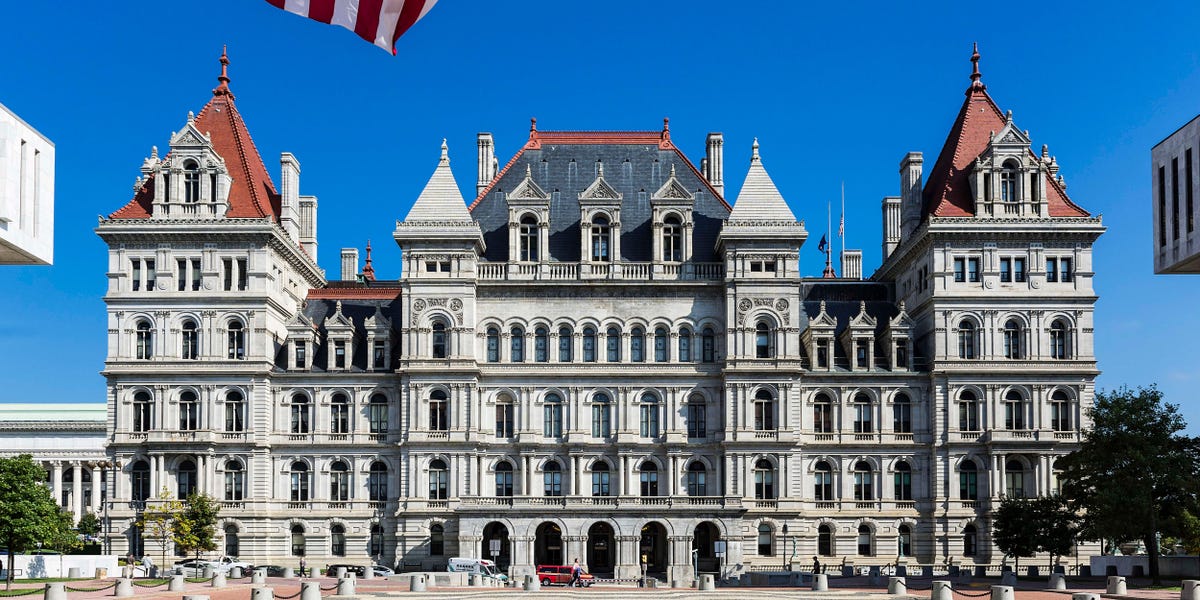
The United States boasts a rich tapestry of history and governance, and this is often reflected in the architecture of its state capitols. From grand neoclassical designs to unique, locally-inspired structures, each state capitol tells a story. These buildings aren’t just centers of political power; they are landmarks that embody the spirit and heritage of the states they represent. This article delves into the fascinating details of US state capitols, exploring their history, design, and intriguing facts.
A Journey Through America’s State Capitols
The diversity of architectural styles across the nation’s state capitols is a compelling demonstration of regional identity and historical evolution. Many were intentionally designed to evoke the grandeur of the US Capitol in Washington D.C., symbolizing a connection to the federal government. However, others deliberately diverged, showcasing unique materials and designs that tie them directly to their local environment.
Historical Significance: Echoes of the Past
Many capitol buildings possess a depth of historical significance extending far beyond their role in modern governance. For example, Maryland’s State House, built in 1779, holds the distinct honor of being the oldest state capitol in continuous legislative use. It even served momentarily as the seat of the US Congress.
Similarly, Georgia’s Capitol stands on a site with layers of history, having replaced an earlier City Hall and Courthouse. The remnants of past structures and events often contribute to the unique atmosphere and cultural importance of these buildings. Understanding the historical context of these structures deepens our appreciation for their enduring presence.
Architectural Styles and Unique Features
The architectural landscape of US state capitols is incredibly varied. Neoclassical, Beaux-Arts, and Art Deco styles prominently feature, alongside more regional expressions.
The Influence of Neoclassicism
Several state capitols, like those in Indiana, Montana, and West Virginia, draw heavily from neoclassical principles. This style, inspired by ancient Greek and Roman architecture, emphasizes symmetry, columns, and domes. The use of these elements was meant to symbolize the stability and wisdom of the government. West Virginia’s capitol, notably, has a dome that actually exceeds the height of the US Capitol dome, a unique claim to fame.
Embracing Regional Materials and Designs
Other states opted for designs that intimately reflected their landscapes and cultural identities. New Mexico’s Roundhouse is a prime example. Its circular form and Pueblo Revival style directly reference the state’s indigenous heritage and distinctive architectural traditions. The use of local materials like adobe contributes to its unique aesthetic.
Similarly, the New Hampshire State House prominently uses locally sourced granite, showcasing the natural resources and craftsmanship of the region. These choices demonstrate a deliberate effort to ground the seat of government in the local environment.
Notable Capitol Landmarks and Stories
Each capitol city has its own unique stories and landmarks. Let’s look at a few examples.
Alabama: The Cradle of the Confederacy
Montgomery, Alabama’s capitol, marks the spot where the Confederacy was born. A brass star on the portico commemorates the inauguration of Jefferson Davis, the Confederacy’s president. The Avenue of Flags, displaying flags from all US states alongside rocks from each one, is also a significant attraction.
Colorado: Gold Leaf and Mountain Views
The Colorado Capitol, completed in 1901, features a dome covered in real gold leaf, donated by gold miners. This glittering tribute to the state’s gold rush history is visually stunning and speaks volumes about Colorado’s economic past.
Hawaii: A Symbol of Openness
Hawaii’s capitol in Honolulu stands out for its deliberate lack of traditional barriers. As explained by former Governor John A. Burns at its dedication, the building has no doors facing the mountains or sea, and no roof to separate it from the heavens. This design symbolizes openness and connection to the natural world.
Wisconsin: Granite Grandeur
Madison, Wisconsin, is home to the only state capitol with a completely granite dome. This impressive feat of engineering and artistry showcases Wisconsin’s abundant granite resources and the skilled craftsmanship of its builders.
The Modern Role of State Capitols
Today, state capitol complexes serve not only as legislative centers but also as museums, historical sites, and symbols of civic pride. Many offer public tours, educational programs, and opportunities for citizens to engage with their government. Restoring and maintaining these historic structures is an ongoing effort, ensuring they remain vital parts of the American landscape for generations to come.
Preserving the Legacy of American Governance
The US state capitols are more than just buildings; they are living testaments to the nation’s history, values, and aspirations. Their diverse architectural styles, coupled with the rich stories they hold, make them invaluable cultural treasures. Continued investment in preservation and accessibility will ensure that these iconic landmarks continue to inspire civic engagement and connect Americans to their shared heritage. Exploring these magnificent structures offers a unique and enriching experience, providing a deeper understanding of American governance and its evolving character. To learn more about a specific state capitol, visiting the official state government website is a great starting point.


