


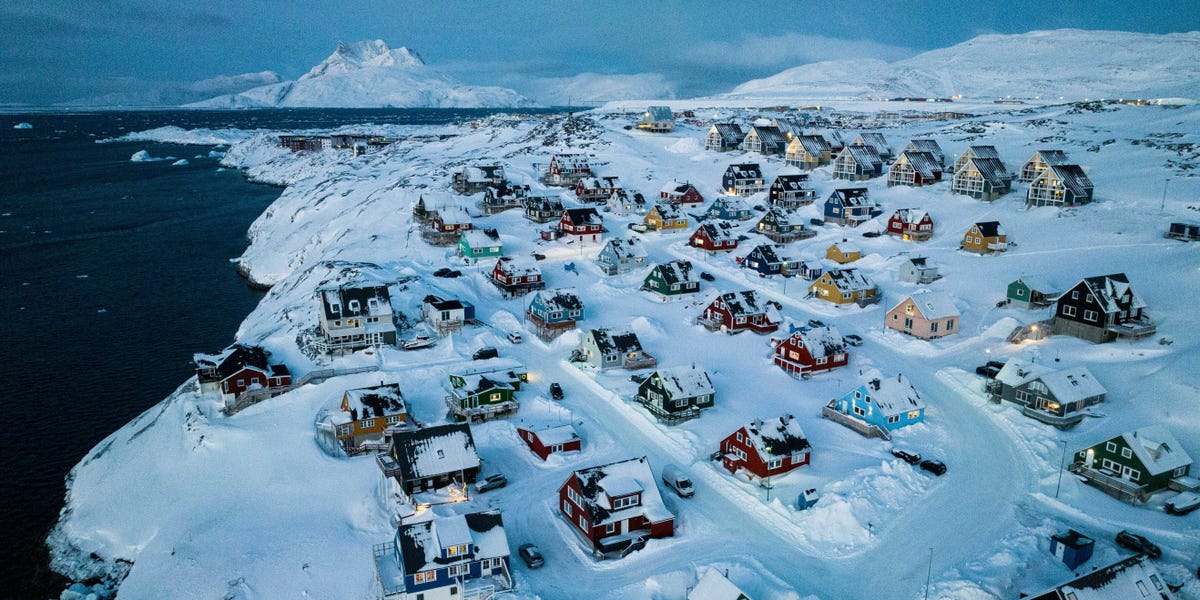
The idea of the United States acquiring Greenland, the world’s largest island, has been a recurring topic of discussion, particularly under the presidency of Donald Trump. What began as a seemingly outlandish proposal has resurfaced recently with the appointment of Louisiana Governor Jeff Landry as a special envoy to the Danish territory. This move has sparked controversy and raised questions about the strategic and political motivations behind the renewed interest in this vast, icy land. Understanding the history, culture, and geopolitical significance of Greenland is crucial to grasping the complexities of this situation.
A History of Interest in Greenland
Greenland’s story is one of ancient settlements, colonial influence, and a growing push for self-determination. The island’s first inhabitants arrived over 4,000 years ago, with waves of migration from pre-Inuit cultures like the Saqqaq, followed by the Thule people around 1,000 years ago – ancestors of today’s Inuit population. Vikings, led by Erik the Red, briefly settled in Western Greenland between 985 and 1450 CE, giving the island its name, though it remains Kalaallit Nunaat in the Greenlandic language.
Denmark-Norway established a permanent presence in 1721 with a missionary settlement, and Greenland remained a Danish colony until 1953. It gained autonomous territory status in 1979, granting it self-governance in domestic matters, while Denmark retains control over defense and foreign affairs. This complex relationship continues to shape the island’s political landscape.
The Strategic and Resource Value of Greenland
The renewed US interest in Greenland isn’t solely about acquiring territory. The island’s strategic location between Canada and Iceland, largely above the Arctic Circle, makes it a point of military interest. Its size – a little larger than Mexico – and the fact that 80% of its landmass is covered in ice and snow, further amplify its importance in a changing geopolitical climate.
Beyond military considerations, Greenland is rich in natural resources. Deposits of rare earth minerals, uranium, gold, natural gas, and oil hold significant economic potential. However, the exploitation of these resources is a contentious issue, with many Greenlanders hesitant due to environmental concerns and a history of Danish companies benefiting disproportionately from past mining operations. The potential for resource extraction is a key factor driving international attention towards the island.
A Unique Culture and Growing Tourism
Despite its harsh climate, Greenland is home to approximately 56,000 people, nearly 90% of whom are Inuit. The population speaks Greenlandic (Kalaallisut) and Danish, reflecting the island’s cultural blend. While Danish influence is visible in its healthcare, education, and government systems, Greenlandic culture remains vibrant, with a strong emphasis on traditional arts, cuisine, and storytelling.
Tourism is a growing industry, fueled by the island’s stunning glaciers, opportunities to spot wildlife like narwhals and whales, and the allure of the Arctic landscape. The opening of new international airports, including Nuuk’s airport in 2024 and planned expansions in Ilulissat and Qaqortoq, are making Greenland more accessible to visitors, particularly from the United States. This increased accessibility is also contributing to the strategic interest from the US.
Denmark’s Response and Greenlandic Sentiment
The appointment of Jeff Landry as a special envoy has been met with strong opposition from Denmark. Danish Foreign Minister Lars Løkke Rasmussen deemed the move “completely unacceptable,” and Denmark has summoned the US ambassador for an explanation. This underscores Denmark’s firm stance against any attempt to acquire Greenland.
Crucially, the vast majority of Greenlanders do not want to be sold or ceded to the United States. Recent polls indicate that around 85% oppose becoming part of the US, fearing a loss of cultural identity and self-determination. While there is a growing movement towards full independence from Denmark, many Greenlanders prefer strengthening ties with Canada, sharing similar Arctic concerns and a significant Inuit population. The sentiment within Greenland is clear: they want to remain Greenlandic.
The Future of Greenland
Greenland stands at a crossroads. The impacts of climate change, including melting glaciers and thawing permafrost, are already being felt, impacting infrastructure and traditional ways of life. Balancing economic development with environmental protection, preserving cultural heritage, and navigating complex geopolitical relationships will be crucial for the island’s future.
The ongoing debate surrounding potential acquisition by the US highlights the importance of respecting Greenlandic self-determination and prioritizing the needs and desires of its people. As a nation with a rich history and a unique cultural identity, Greenland deserves to chart its own course, ensuring a sustainable and prosperous future for generations to come. The island’s story is far from over, and its future will undoubtedly be shaped by its own people, not by external powers.


