






The relationship between former US President Donald Trump and Jerome Powell, the current Chairman of the Federal Reserve, has become increasingly strained, escalating recently with a criminal investigation into Powell’s testimony regarding the Fed’s headquarters renovations. This ongoing dispute, centered around accusations of incompetence, alleged cost overruns, and now potential criminal wrongdoing, is creating ripples throughout Washington, impacting not only monetary policy but also the future composition of the Federal Reserve itself. The core of the issue revolves around Jerome Powell and Trump’s persistent criticism of his leadership.
Trump’s Renewed Attacks on the Federal Reserve Chair
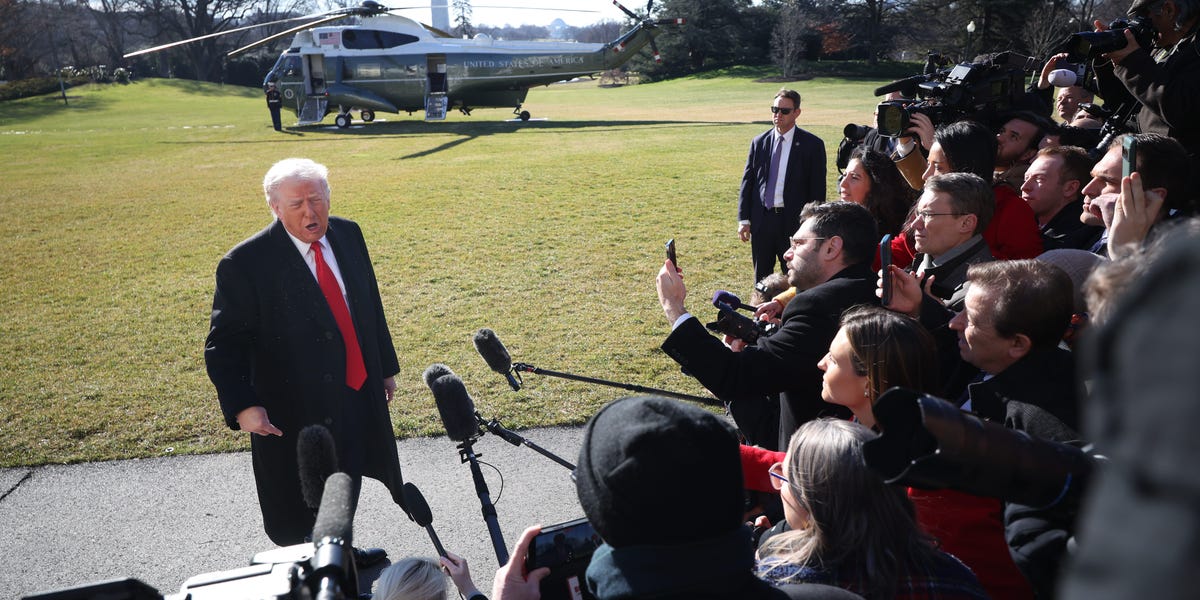
Donald Trump has never shied away from publicly criticizing Jerome Powell, blaming him for various economic issues during and after his presidency. Recently, Trump reignited his attacks, alleging that Powell is “billions of dollars over budget” with the Fed’s renovations and questioning his competence, even suggesting possible corruption. These statements, made to reporters at the White House before a trip to Michigan, highlight Trump’s continued dissatisfaction with the central bank’s performance under Powell’s direction.
Trump’s frustration stems largely from the Federal Reserve’s interest rate hikes, which he believes hinder economic growth. He consistently advocated for lower rates during his time in office and continues to voice his opposition to the current monetary policy. This long-standing disagreement has fueled speculation about his intentions regarding Powell’s future at the Fed.
The Criminal Investigation and Powell’s Response
The situation took a dramatic turn when Jerome Powell revealed he is the subject of a criminal investigation. This investigation concerns his testimony before Congress regarding the $2.5 billion renovation project at the Federal Reserve headquarters. Powell stated in an extraordinary video statement that the probe appears to be in retaliation for the Fed’s independent decision-making regarding interest rates, directly contradicting Trump’s preferences.
This is an unprecedented situation, raising serious questions about the potential for political interference in the operations of an independent central bank. Powell’s firm stance, asserting the Fed’s right to set monetary policy based on economic assessments rather than presidential directives, underscores the importance of maintaining the Fed’s autonomy. The investigation itself is being led by US Attorney for the District of Columbia, Jeanine Pirro, who defended the subpoenas issued to the Fed as a necessary step after repeated requests for information were ignored.
Details of the Renovation Project and Cost Concerns
The controversy surrounding the renovation project began with Trump’s public questioning of the escalating costs. He pointed to figures exceeding initial estimates, prompting a back-and-forth exchange with Powell during a site visit in July. Powell explained that the increased costs were due to unforeseen challenges, including the discovery of a larger-than-expected amount of asbestos and changes to the project’s design.
An FAQ section on the Federal Reserve’s website further details these factors, as well as increases in the cost of materials. However, Trump remains unconvinced, continuing to suggest mismanagement and potential wrongdoing. This dispute over the renovation costs has become a symbolic battleground in the larger conflict between Trump and Jerome Powell.
Republican Concerns and Potential Implications
While Trump continues his attacks, a growing number of Republicans are expressing concern about the escalating tensions and the criminal investigation. Senator Thom Tillis, a Republican on the Senate Banking Committee, has stated he will not support any Trump nominee to replace Powell until the investigation is resolved. This position is significant, as it could potentially deadlock the committee and hinder Trump’s ability to reshape the Federal Reserve.
This situation highlights a potential rift within the Republican party regarding Trump’s approach to the Fed. Several other Republicans have also voiced their disapproval of the investigation, and notably, all three living former Fed chairs – including Alan Greenspan – have publicly supported Powell and the Fed’s independence. The broader implications of this dispute extend beyond personnel changes, potentially undermining confidence in the Federal Reserve’s independence and credibility. The issue of monetary policy is now inextricably linked to the political drama unfolding in Washington.
The Future of the Federal Reserve
Jerome Powell’s term as chair is set to expire in May, and Trump has been openly searching for a replacement. However, the current investigation and the opposition from key Republicans like Tillis significantly complicate this process. Trump’s ability to install a more amenable chair will depend on maintaining party unity, a task that appears increasingly challenging.
The unfolding events serve as a stark reminder of the delicate balance between political influence and central bank independence. The outcome of this situation will likely have lasting consequences for the Federal Reserve and the future of US economic policy. The ongoing scrutiny and accusations surrounding Powell’s leadership will undoubtedly continue to shape the narrative and influence the debate in the months to come.


