


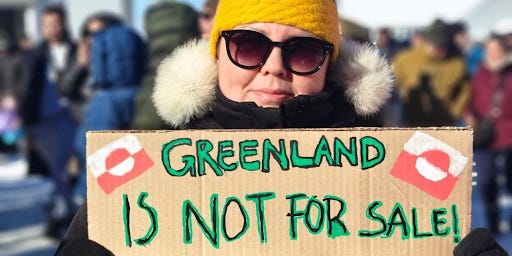
The possibility of the United States annexing Greenland has stirred deep anxieties among the island’s residents, a sentiment echoed by Aviaja Fontain, a 40-year-old mother and lifelong inhabitant of Nuuk, Greenland’s capital. The recent, and at times unsettling, rhetoric from former US President Donald Trump regarding a potential purchase or annexation has left many Greenlanders fearing a disruption to their peaceful way of life and a potential repeat of colonial trauma. This story delves into the personal experience of Aviaja, offering a glimpse into the concerns and fears of a community facing an uncertain future.
The Shadow of a Potential Annexation
Aviaja recalls a period of heightened anxiety following reports of a US raid in Venezuela. “I kept looking toward the harbor, wondering if the US Navy would appear here next,” she explains. “The first few days were scary. It felt like we were all just waiting for an invasion.” This initial fear, though perhaps fueled by immediate events, quickly morphed into a more pervasive sense of unease as she observed an increased Danish military presence around Nuuk, with more frequent training exercises.
“It feels weird,” Aviaja admits. “We’re not used to seeing so many Danish officers here, training in the Arctic. I keep telling myself that Trump doesn’t have any legal right to annex Greenland, just to calm my nerves.” She initially considered organizing a protest, but the demands of her studies and upcoming exams took precedence.
Fears for Greenland’s Future and Way of Life
Despite Trump’s assurances of respectful treatment, Aviaja remains skeptical. “I don’t believe him,” she states firmly. “He needs to leave Greenland and Greenlanders alone.” Her concerns extend beyond political sovereignty to the very essence of Greenlandic life.
Many Greenlanders deeply value their connection to nature, finding solace in the tranquility of the mountains and the pristine Arctic landscape. Aviaja fears that a US takeover would prioritize resource extraction – the search for rare minerals and oil – at the expense of this natural beauty. “We just want our land to be peaceful,” she emphasizes. “No one is fighting for security, minerals, or anything. We are people. We have rights. We have a culture. You can’t just take that and buy it.”
Generational Trauma and the Weight of History
The prospect of another colonization weighs heavily on Aviaja’s mind. Greenland already carries the scars of its colonial past under Danish rule, a history marked by cultural suppression and societal disruption. “There is generational trauma from when we were first colonized by Denmark,” she explains. “If we’re going to be colonized by the US, then there’s going to be more generational trauma. What is going to happen with our kids in the future?”
Her 19-year-old son has expressed his willingness to defend Greenland should the need arise, a testament to the strong sense of national identity and the deep connection to the land. This protective instinct, while admirable, only reinforces Aviaja’s desire to avoid conflict altogether.
A Desire for Independence, on Greenland’s Terms
Aviaja acknowledges a growing sentiment within Greenland for independence from Denmark. However, she stresses the importance of pursuing this goal on their own terms, at a time when Greenland is fully prepared. “Maybe in my lifetime,” she muses. “You never know what will happen in the future.”
The current situation, however, feels like a threat imposed from the outside, rather than a self-determined path towards sovereignty. The idea of Greenland annexation feels like a violation of their agency and a disregard for their cultural identity. The focus should be on self-determination, not external pressures.
The US Perspective and Greenland’s Strategic Importance
The White House, through Deputy Press Secretary Anna Kelly, has defended Trump’s interest in Greenland, framing it as a matter of bolstering US national security. Kelly stated that previous administrations had recognized the strategic value of acquiring Greenland, but only Trump had the “courage” to pursue it seriously. The argument centers on the idea that a US-controlled Greenland would strengthen NATO and provide better protection against modern threats in the Arctic region. This perspective highlights the geopolitical significance of Arctic security and the strategic importance of Greenland’s location.
However, this rationale does little to alleviate the fears of residents like Aviaja, who prioritize peace and self-determination over strategic considerations. The debate surrounding Greenland’s future is not simply a matter of geopolitics; it’s a deeply personal issue for the 56,000 people who call the island home.
A Plea for Respect and Self-Determination
Aviaja’s story serves as a powerful reminder that behind the headlines and political maneuvering, there are real people with real fears and aspirations. She doesn’t want to leave Nuuk, her home, but the possibility of annexation casts a long shadow over her future and the future of her son.
Ultimately, Aviaja and many other Greenlanders simply want to be left alone to determine their own destiny. They desire a peaceful existence, a continued connection to their land and culture, and the freedom to pursue independence on their own terms. The world should listen to their voices and respect their right to self-determination, rather than viewing Greenland as a strategic asset to be acquired.


