






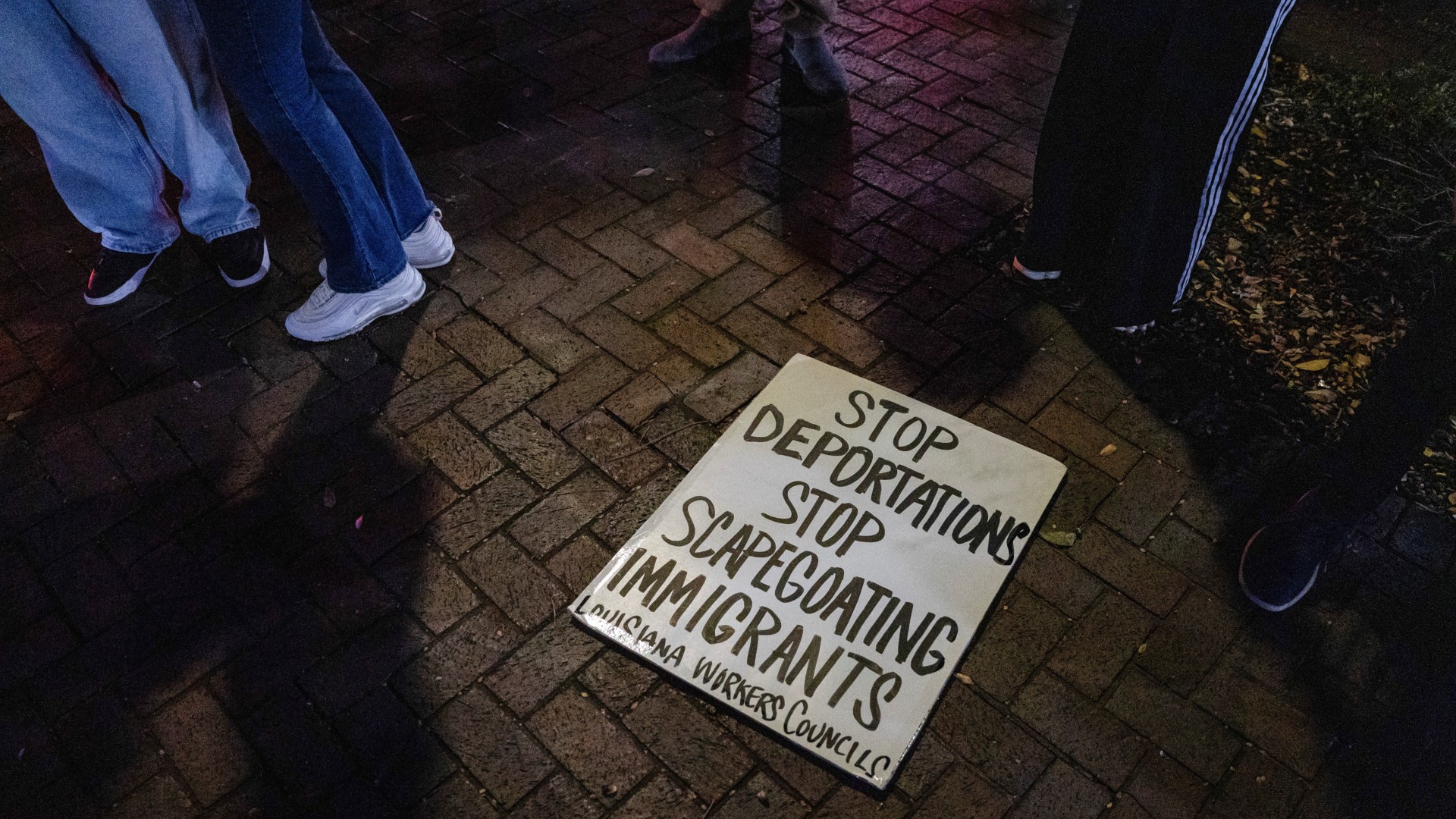
The situation facing Afghan immigrants in the United States is growing increasingly precarious, with recent reports revealing disturbing trends in how Immigration and Customs Enforcement (ICE) is implementing check-in procedures. At least two Afghans who assisted American personnel during the 20-year war have been asked to attend in-person check-ins on Christmas Day and New Year’s Day – federal holidays – raising serious concerns about potential detention and deportation. This situation highlights a broader anxiety surrounding the treatment of Afghan immigrants under the current administration, especially given a history of tightened immigration policies.
Escalating Concerns Over ICE Check-Ins
The timing of these check-ins, scheduled on two of the least active days of the year, is what has particularly alarmed advocacy groups. #AfghanEvac, a leading organization supporting Afghan refugees and allies, issued a statement on Monday describing the scheduling as “highly unusual.” They argue that holding enforcement actions during periods when legal resources are limited, including attorneys, courts and oversight bodies, deliberately reduces an individual’s access to due process protections, and at minimum, puts them in a difficult position.
It’s not just the date; the way these check-ins are being conducted is also causing distress. For nearly a year, reports have emerged detailing how immigrants appearing for routine check-ins with all necessary documents are being unexpectedly arrested by federal agents, often with vague explanations about their destinations. This creates a climate of fear and uncertainty within the Afghan community.
A History of Restrictions and Legal Limbo
The current anxieties are rooted in the Trump administration’s broader approach to immigration, which included a significant crackdown on various groups, including those from Afghanistan. A key turning point was the elimination of Operation Enduring Welcome in May. This interagency program was designed to facilitate the relocation of Afghan allies who had supported the US military. Simultaneously, the Office of the Coordinator for Afghan Relocation Efforts, responsible for processing Special Immigrant Visas (SIVs), was also dismantled.
While SIV processing hasn’t been officially halted, the changes have dramatically slowed down the process, leaving tens of thousands of applicants in a state of legal limbo. A federal court did order the government to expedite processing for the most delayed applications, but the administration has signaled its intention to appeal this decision. Further compounding the problem, the administration revoked Temporary Protected Status (TPS) for Afghans earlier this year, impacting over 11,000 individuals already residing in the US.
The Impact of the DC Shooting
The situation worsened following a shooting in Washington D.C. involving a National Guard soldier. Within hours, President Trump publicly stated that immigrants would no longer be welcome if they “can’t love our country.” An Afghan man, vetted by the CIA, was charged in connection with the shooting, and this incident was quickly used to justify stricter immigration measures and increased scrutiny of Afghan nationals. This rhetoric fueled existing fears and contributed to the perception of being unfairly targeted.
Numbers Tell a Troubling Story
Since January 20th, when the current administration took office, US Citizenship and Immigration Services (USCIS) has referred over 14,400 immigrants to ICE. Alarmingly, at least 2,400 arrests have been made at USCIS offices during this period. These figures underscore the increased enforcement activity and the potential risks faced by Afghan refugees and those awaiting immigration status.
According to #AfghanEvac, approximately 70,000 Afghans have arrived in the US since the withdrawal from Afghanistan in August 2021. However, a much larger number – around 180,000 – are still waiting for SIV processing, with an additional 65,000 refugees and 15,000 individuals seeking family reunification. The backlog at USCIS, exacerbated by the administration’s decision to re-screen applications and scrutinize social media accounts, is further delaying the process and increasing vulnerability.
Increased Vetting and a Sense of Unwelcome
The Department of Homeland Security (DHS) recently announced the creation of a new vetting center aimed at identifying potential threats to public safety. While thorough vetting is understandable, Shawn VanDiver, president of #AfghanEvac, argues that the current level of scrutiny is excessive and suggests a broader unwillingness to welcome immigrants. He believes the administration is “trying to generate fear.”
DHS’s end-of-year statement revealed a pause on asylum processing, a comprehensive re-examination of Green Cards, and a hold on processing immigration applications specifically for Afghan nationals. This demonstrates a clear shift in policy and a heightened level of suspicion towards individuals from Afghanistan. The administration’s actions are perceived by many as a deliberate attempt to create obstacles for those seeking a new life in the US. The term immigration enforcement is becoming synonymous with hardship and uncertainty for this community.
What Can Be Done?
Despite the risks, legal experts consistently advise immigrants to attend all scheduled check-ins, as missing one can immediately jeopardize their case and lead to deportation. #AfghanEvac is actively gathering information to understand the extent of this practice and is tracking individual cases. VanDiver is urging Afghans who have received check-in notices for federal holidays to contact his team for potential in-person support.
However, even with legal representation and support, ICE agents retain the discretion to detain individuals. The situation remains deeply concerning, highlighting the urgent need for Congress to provide a durable legal status for Afghan parolees and evacuees, rather than leaving them in a prolonged state of uncertainty.
This situation demands continued attention and advocacy to ensure that those who risked their lives to support the US are treated with the respect and fairness they deserve.


