






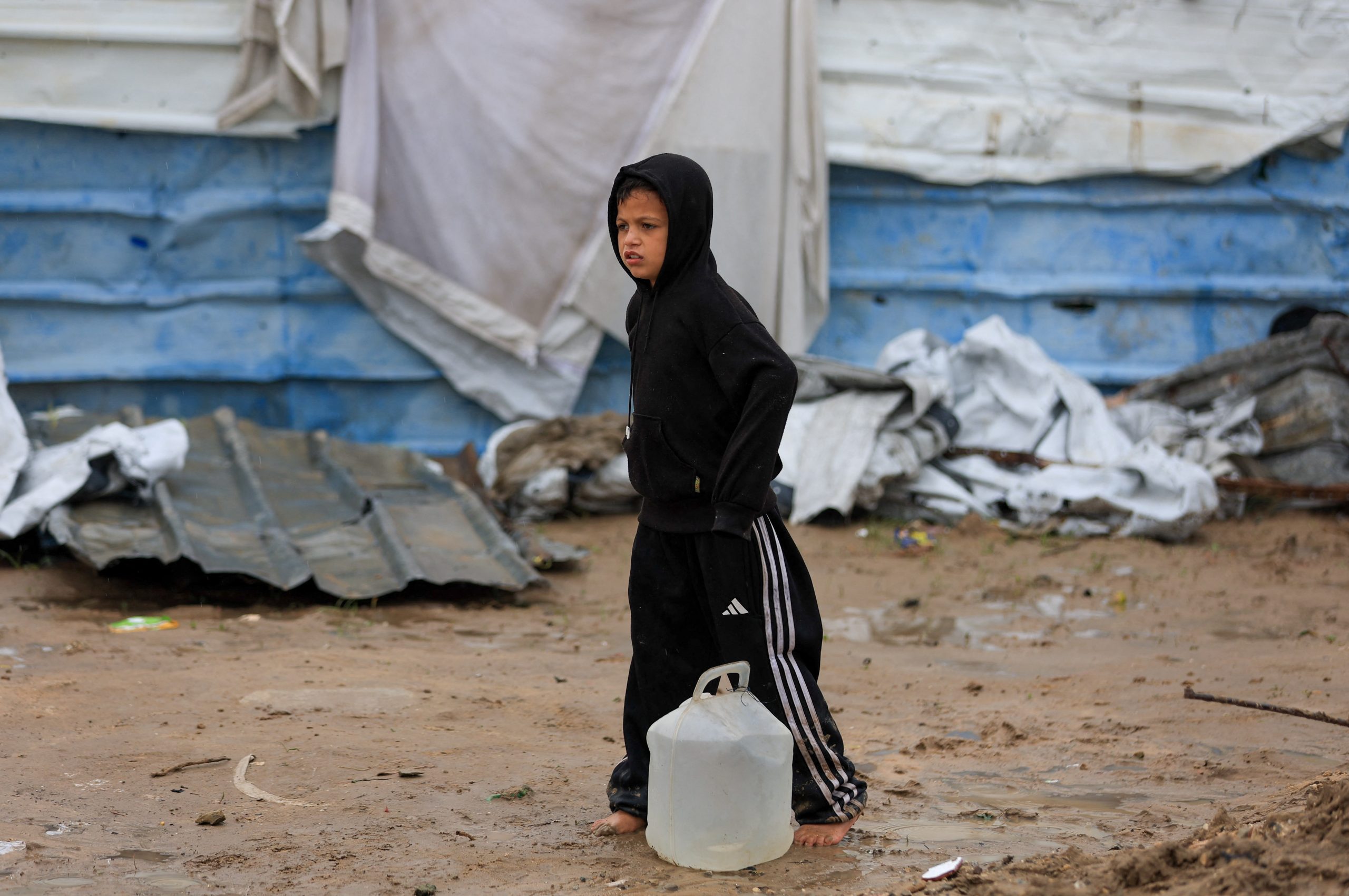
The situation in the occupied Palestinian territories, especially Gaza, is becoming increasingly dire, with the United Nations and numerous aid organizations issuing a stark warning: الوضع الإنساني في غزة (the humanitarian situation in Gaza) is on the brink of collapse. This impending crisis isn’t due to a lack of need, but rather, the escalating obstacles placed in the way of organizations dedicated to providing life-saving assistance. A newly implemented and criticized registration process by Israel is the central point of concern, deemed “vague, arbitrary, and highly politicized” by those it affects.
تصاعد المخاوف بشأن انهيار العمل الإنساني في غزة (Escalating Concerns over the Collapse of Humanitarian Work in Gaza)
A joint statement released on Wednesday by the UN and over 200 local and international aid groups highlighted the imminent danger. Dozens of international non-governmental organizations (INGOs) are facing potential de-registration by December 31st. This de-registration doesn’t just prevent future aid; it mandates the closure of existing operations within 60 days, effectively cutting off crucial support systems for a population already grappling with immense hardship.
This comes at a time when the need for المساعدات الإنسانية العاجلة (urgent humanitarian aid) is greater than ever. The political instability and ongoing conflict have left a significant portion of the population dependent on external assistance for their basic survival. The repercussions of losing INGO support will be felt across all sectors of essential services.
عملية التسجيل الجديدة: عائق أمام الوصول إلى المحتاجين (The New Registration Process: An Obstacle to Reaching Those in Need)
The core issue lies in the recently imposed registration requirements for INGOs operating in the occupied Palestinian territories. Aid organizations report the process lacks transparency, with unclear criteria and frequent changes in regulations. This ambiguity creates significant delays and prevents organizations from effectively planning and implementing programs.
Furthermore, the process is seen as overly politicized, raising fears that decisions regarding registration are influenced by factors unrelated to humanitarian needs. This raises serious questions about the impartiality and effectiveness of aid delivery. The impact on specific services is substantial.
تأثير كارثي على الخدمات الأساسية (A Catastrophic Impact on Essential Services)
The UN and aid groups warn that the de-registration of INGOs will have a devastating effect on access to fundamental services in Gaza. These organizations aren’t simply supplementing existing infrastructure; they are the infrastructure for many critical areas.
Consider these vital functions currently run or heavily supported by INGOs:
- المستشفيات الميدانية (Field Hospitals): A significant proportion of Gaza’s field hospitals rely on INGO funding and expertise.
- مراكز الرعاية الصحية الأولية (Primary Healthcare Centers): Basic healthcare access, including vaccinations and maternal care, will be severely compromised.
- المأوى الطارئة (Emergency Shelter): With ongoing displacement, the provision of safe and adequate shelter is increasingly dependent on these groups.
- خدمات المياه والصرف الصحي (Water and Sanitation Services): Access to clean water, a daily struggle for many Gazans, will become even more precarious.
- مراكز تثبيت التغذية للأطفال المصابين بسوء التغذية الحاد (Nutrition Stabilization Centers): Malnutrition rates are soaring, and these centers are vital for treating children at risk of dying.
- إزالة الألغام (Mine Action Activities): The presence of unexploded ordnance poses a continuous threat, and specialized mine action teams are crucial for safety.
The loss of these services will exacerbate the already precarious humanitarian situation, potentially leading to an increase in preventable deaths and suffering. Without a swift resolution, it is feared the existing الأزمة الإنسانية (humanitarian crisis) will spiral completely out of control.
دعوات دولية للتدخل العاجل (International Calls for Urgent Intervention)
The joint statement from the UN and aid organizations is a direct appeal to the Israeli government to reconsider its approach to INGO registration. They urge for a transparent, predictable, and needs-based process that allows organizations to operate effectively without undue restrictions. The international community is also being called upon to exert pressure on all parties to ensure humanitarian access and prevent further deterioration of the situation.
Several countries and human rights organizations have already expressed their concerns publicly, calling for Israel to uphold its obligations under international humanitarian law. The focus is on the need to prioritize the well-being of civilians, particularly the most vulnerable, and to allow aid workers to deliver life-saving assistance without obstruction. The current regulations are actively hindering the provision of الاحتياجات الأساسية (basic needs) of the Gazan population.
مستقبل العمل الإنساني في غزة معلق (The Future of Humanitarian Work in Gaza Hangs in the Balance)
The future of humanitarian work in Gaza remains highly uncertain. The deadline for registration looms, and the potential for widespread disruption and the collapse of critical services is real. Unless a constructive dialogue leads to a more rational and less politicized registration process, the humanitarian situation in Gaza will undoubtedly worsen. This isn’t just about the fate of INGOs; it’s about the lives and dignity of the two million Palestinians who depend on their assistance. We must continue to shed light on this critical issue and advocate for solutions that prioritize humanitarian principles and safeguard the well-being of all those affected. It is imperative that the international community remains engaged and firmly committed to supporting the people of Gaza during this challenging time.
Disclaimer: This article is based on the provided Reuters report and is intended for informational purposes. It reflects the concerns expressed by the UN and aid organizations regarding the situation in Gaza.


