






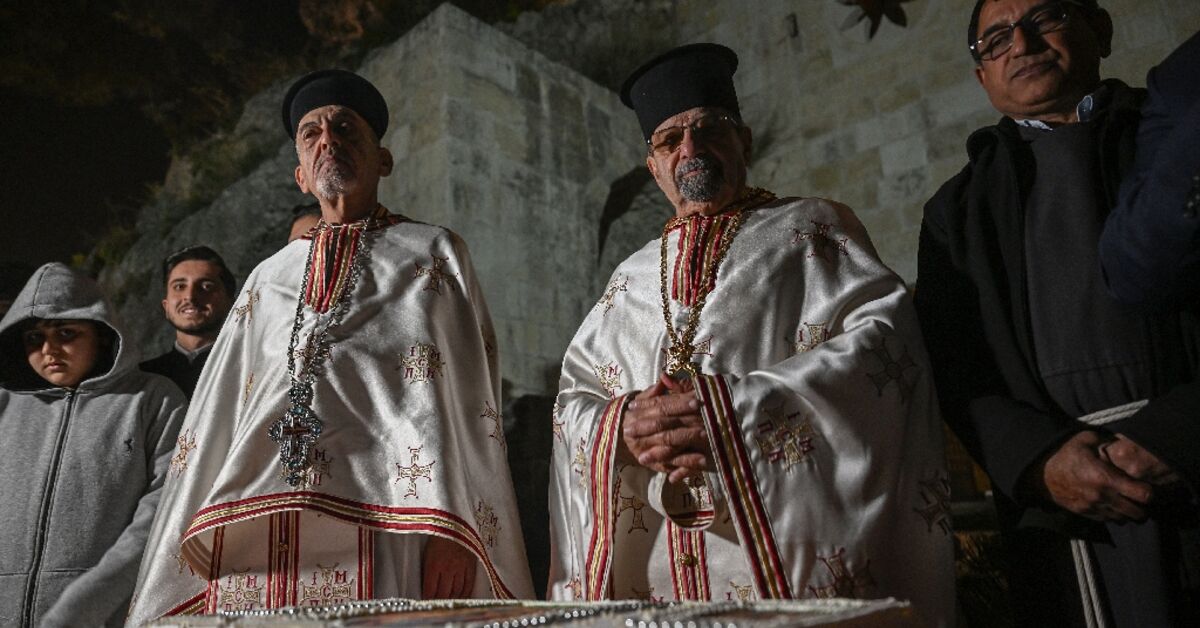
The ancient city of Antakya, once known as Antioch, continues to bear the scars of the devastating earthquakes that struck southeastern Turkey in February 2023. Amidst the rubble and loss, a beacon of hope and resilience shines brightly for the remaining Christian community: Saint Peter’s Church, considered one of the world’s oldest rock churches. This sacred site has become a vital rallying point, offering solace and a sense of continuity in a landscape irrevocably altered by tragedy. The dwindling number of Christians in the region find strength in gathering at this historic location, clinging to their faith and community spirit.
Saint Peter’s Church: A Symbol of Faith Amidst Destruction
The February 6th, 2023 earthquakes decimated Hatay province, leaving Antakya, a city steeped in history and cultural diversity, in ruins. The impact on the Christian community was particularly severe. Many families were forced to leave, seeking safety and rebuilding opportunities elsewhere. Mari Ibri, a long-time worshipper, poignantly describes the scattering of her community, stating, “Since the earthquake, our community has scattered. Those who remain are trying to regroup. We each had our own church but, like mine, they have been destroyed.”
This sense of loss and displacement is palpable throughout the city. Fields of rubble and cracked buildings serve as constant reminders of the disaster, shrouded in a persistent grey dust. The once vibrant city has emptied, and the Christian population has shrunk dramatically, from 350 families to fewer than 90, according to Father Dimitri Dogum.
The Historical Significance of Antakya’s Cave Church
Saint Peter’s Church isn’t just a place of worship; it’s a living testament to the origins of Christianity. Tradition holds that it was within this cave that Saint Peter, the apostle chosen by Jesus to lead the church, delivered his first sermon in the 1st century. This makes the site incredibly significant for Christians worldwide, representing a direct link to the very foundations of their faith.
The cave church, initially a natural formation, was later expanded and enhanced. In the 11th century, during the Crusades, a pale stone facade was added, further solidifying its architectural and historical importance. Today, the site functions primarily as a museum, opened to the public only on special occasions. Christmas Eve is one such occasion, offering a rare opportunity for worship within its ancient walls.
Christmas Eve: A Gathering of Hope and Remembrance
Despite the devastation, the spirit of Christmas persevered in Antakya in 2023. On December 24th, worshippers gathered at Saint Peter’s Church, seeking comfort and connection. Fadi Hurigil, the leader of Antakya’s Orthodox Christian community, and his assistants meticulously prepared the space for the service.
They adorned the stone altar, arranged candles, and brought forth the sacred vessels – holy oil, chalices, and even plastic chairs to accommodate the attendees. Figurines of Christ and three saints were placed before a bottle of wine, alongside baskets of bread and gifts for the children. A poignant touch was the playing of a recording of the bells from the now-empty Saint Peter and Paul church, a sound that resonated deeply with those who remembered its former glory.
“That was my church,” Ibri recalled, crossing herself in remembrance. “They recorded the peals.”
Approximately one hundred worshippers crowded into the incense-filled cave, with at least as many congregating outside. A substantial police presence was maintained, and sniffer dogs inspected the area – a necessary precaution given the vulnerability of the remaining Christian community, a recognized minority in the region. The need for security underscores the challenges faced by the community in the aftermath of the earthquake and the ongoing political climate. The presence of security forces, while reassuring, also serves as a somber reminder of the risks they face.
A Diminished but Determined Community
The service itself was a deeply moving experience, conducted entirely in Arabic and Turkish chants by Father Dogum and another cleric. The slow, melodic hymns filled the cave, creating an atmosphere of reverence and hope. Father Dogum reflected on the significance of the location, stating, “It’s very moving for us to be here in the world’s first cave church, where the first disciples gathered.”
He also acknowledged the stark contrast to previous years. “There used to be crowds here,” he said. “In 2022, there were at least 750 people outside, Christians and non-Christians alike.” The earthquake has undeniably diminished the gathering, but a sense of renewal is beginning to emerge.
Rebuilding Faith and Community
Following the service, a large rectangular cake was cut, adorned with a Nativity scene crafted from whipped cream. This simple act of sharing symbolized the community’s determination to rebuild and reconnect.
One worshipper expressed the sentiment shared by many: “There’s the religious dimension but it’s also important that people can gather here again. After February 6, our fellow citizens scattered. But they’re starting to come back. We’re happy about that.”
The story of Saint Peter’s Church and the resilient Christian community of Antakya is a powerful reminder of the enduring strength of faith and the importance of preserving cultural heritage, even in the face of unimaginable loss. The future remains uncertain, but the gathering at this ancient site offers a glimmer of hope and a testament to the unwavering spirit of those who call Antakya home. The continued support and awareness of the international community will be crucial in helping this historic community rebuild and thrive.


