





The escalating tensions between the United States and Iran appeared to ease slightly after President Donald Trump indicated a pause in potential military action, citing assurances regarding the fate of Iranian protesters. The situation, which had been rapidly deteriorating with fears of a US military strike on Iran, saw a shift following Trump’s statement from the Oval Office. He claimed to have received information from “very important sources” in Tehran suggesting planned executions would be halted. This development comes after days of widespread unrest in Iran and a harsh crackdown by authorities.
تهدئة مؤقتة: تراجع التوتر بعد تصريحات ترامب حول إيران
(Temporary Calm: Tension Eases After Trump’s Statements About Iran)
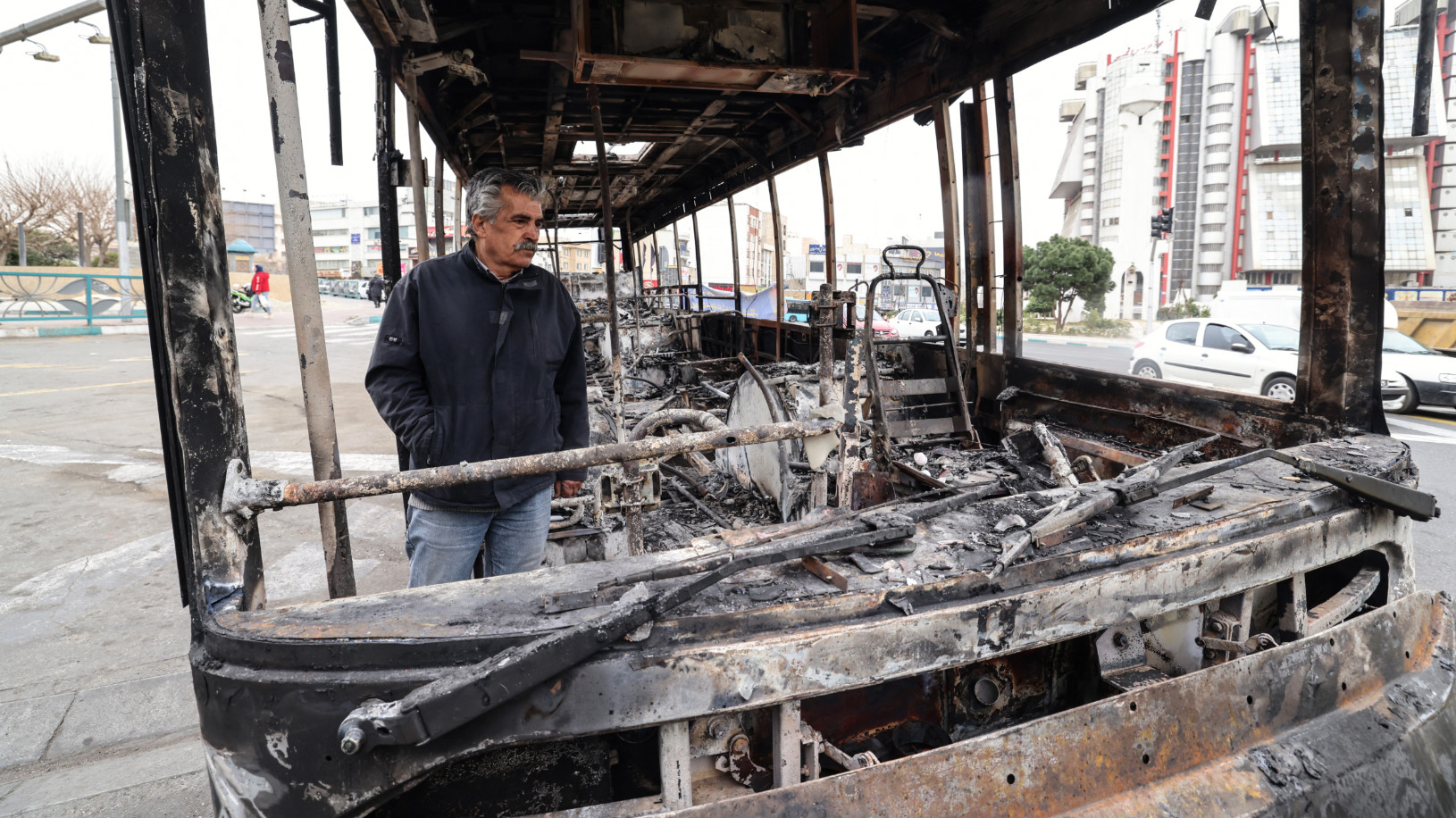
The possibility of a US military intervention had loomed large, fueled by the violent suppression of protests that began in late December. These protests, initially sparked by economic grievances, quickly evolved into broader demonstrations against the Iranian government. Trump had repeatedly warned Tehran against harming protesters, threatening a strong response. The initial trigger for the current wave of unrest was a sudden increase in fuel prices, exacerbating an already difficult economic situation for many Iranians. This economic hardship, coupled with widespread discontent, created a fertile ground for protests.
تطورات الأيام الأخيرة: إغلاق المجال الجوي وتأهب إسرائيلي
(Developments of Recent Days: Airspace Closure and Israeli Alertness)
In a surprising move on Thursday, Iran reopened its airspace after a five-hour closure that disrupted air travel. This closure coincided with reports from Iranian state media that Erfan Soltani, a protester arrested in Karaj, would not face the death penalty. Simultaneously, Iranian Foreign Minister Abbas Araghchi stated that Iran had “no plan” to hang people. However, these assurances were met with cautious optimism from the US side, with Trump stating they would “watch and see” if the commitments were upheld.
The situation had prompted heightened alert levels in neighboring Israel. Following Iran’s airspace closure, several southern Israeli cities opened bomb shelters to the public. Haaretz reported that the Israeli military increased defensive readiness across all formations. Tehran has consistently warned that any attack on its territory would be met with retaliatory strikes against Israel and US military bases in the region, raising the stakes considerably. This regional dimension adds another layer of complexity to the already volatile situation.
أعداد القتلى والاعتقالات: تقارير متضاربة
(Numbers of Killed and Arrested: Conflicting Reports)
The human cost of the protests remains a significant concern. Norway-based Iran Human Rights (IHRNGO) reported at least 734 protesters killed, including 12 children, with thousands more wounded. Reuters cited figures exceeding 2,600 deaths, while AFP quoted human rights groups estimating the number at 3,428. These discrepancies highlight the difficulty in obtaining accurate information from Iran, where access for independent observers is severely restricted.
Furthermore, human rights groups estimate that over 10,000 people have been arrested since the protests began. The Iranian judiciary announced its intention to expedite trials for detainees, signaling the possibility of swift executions. This announcement further fueled international concerns and prompted Trump’s initial warnings. The scale of the arrests and the potential for harsh punishments are drawing condemnation from international organizations.
ردود الفعل الدولية: دعوات للتهدئة والحوار
(International Reactions: Calls for Calm and Dialogue)
The international community has responded with a mix of concern and calls for restraint. China and Turkey have urged Washington to avoid escalating tensions and prioritize dialogue with Iran. These nations, both with significant economic and political ties to Iran, have expressed reservations about a military confrontation.
Several countries have also taken steps to protect their citizens in Iran. The US issued a warning advising American citizens to leave the country immediately, without government assistance. The British government temporarily closed its embassy in Tehran, and India urged its citizens to depart. Lufthansa, a German airline, announced it would avoid Iranian airspace “until further notice.” These actions reflect a growing sense of insecurity and a desire to avoid being caught in the crossfire.
التنسيق الأمريكي القطري والتحركات الإيرانية
(US-Qatar Coordination and Iranian Moves)
In a related development, the US and Qatar announced the opening of a new center to coordinate air and missile defense. This move comes after Iran launched missile strikes on the US al-Udeid air base in Qatar in June, in retaliation for American strikes on its nuclear sites. The US had also ordered some personnel to evacuate the base as a precautionary measure.
Commander of the Islamic Revolutionary Guard Corps (IRGC) Mohammad Pakpour stated that Iran is “at the height of readiness to respond decisively to the miscalculation of the enemy.” Meanwhile, Iran has accused the US of attempting to “destabilize” the country by encouraging protests and calling for the seizure of state institutions. This back-and-forth rhetoric underscores the deep mistrust between the two nations.
The situation remains fluid and highly sensitive. While President Trump’s statement suggests a temporary easing of tensions, the underlying issues that fueled the protests – economic hardship, political repression, and regional rivalry – remain unresolved. The potential for a military conflict is still present, and continued dialogue and de-escalation efforts are crucial to prevent a further deterioration of the situation. The international community must continue to urge restraint and advocate for the protection of human rights in Iran. The future of the region hinges on a peaceful resolution to this crisis, and a commitment to addressing the root causes of the unrest.
It is important to stay informed about the latest developments and to understand the complex dynamics at play. Further analysis and reporting on the Iran protests and the US response will be critical in the coming days and weeks.


