


The plight of Ran Gvili, the last remaining Israeli hostage in Gaza, continues to resonate deeply within Israel, with his mother, Talik Gvili, making a powerful plea: no progress on future peace plans should be made until her son, or at least news of his fate, is brought home. This deeply personal story underscores the immense human cost of the ongoing conflict and the unwavering determination of a mother refusing to give up hope. The situation highlights the complexities surrounding the hostage negotiations and the broader implications for a lasting peace.
أزمة الرهائن الأخيرة: أم إسرائيل ترفض المضي قدمًا قبل عودة ابنها
The story of Ran Gvili, a 24-year-old police officer, has become a symbol of the enduring pain and uncertainty faced by families of hostages taken during the Hamas attack on southern Israel on October 7, 2023. While 250 other hostages were initially seized, and many have since been released through a ceasefire agreement, Ran remains in Gaza. Israeli authorities believe he is deceased, but his body has not been recovered, leaving his family in a heartbreaking state of limbo.
Talik Gvili, Ran’s mother, expressed her anguish to Reuters, stating, “We’re at the last stretch and we have to be strong, for Rani, for us, and for Israel. Without Rani, our country can’t heal.” Her words encapsulate the national sentiment – a refusal to move forward until all hostages are accounted for. This unwavering stance is influencing the discourse surrounding the next phase of the ceasefire agreement.
تفاصيل اختطاف ران جفيلي وظروفه
Ran Gvili was at home recovering from a broken collarbone when the Hamas attack began. Demonstrating his inherent bravery and dedication to duty, he immediately donned his uniform and joined the fight against the militants near Kibbutz Alumim. Tragically, he was severely wounded during the clashes and, according to Israeli authorities, likely did not survive long after being taken to Gaza.
His mother poignantly shared her desire for closure, stating, “We want to feel him, we want to feel some tiny doubt (that he died).” This desperate plea reflects the agonizing uncertainty that plagues the family, clinging to the possibility, however slim, that Ran might still be alive. The search for his remains is proving difficult, given the extensive destruction in Gaza.
اتفاق وقف إطلاق النار ومصير الرهائن المتبقين
In October, Israel and Hamas agreed to a ceasefire, brokered with U.S. support, which led to the release of numerous Palestinian detainees and prisoners in exchange for hostages held in Gaza. The agreement initially involved the release of all remaining hostages, alongside the bodies of deceased Palestinians. However, as of now, only Ran Gvili remains in Gaza, with 28 others previously believed to be dead.
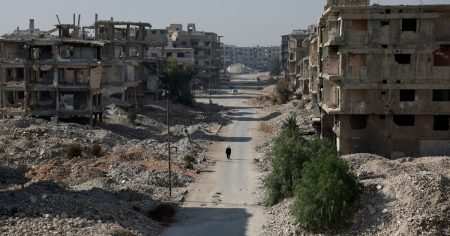
The ceasefire agreement stipulated that once all hostages were returned, the process would move to its next phase, focusing on the future governance and reconstruction of Gaza. However, progress is stalled, with both sides accusing each other of violating the truce. The devastation in Gaza, with over 70,000 Palestinians reportedly killed according to Gaza health authorities, further complicates the search for Ran’s remains.
موقف الأم: لا مفاوضات قبل عودة ابنها
Talik Gvili is resolute in her demand: Israel should not proceed with negotiations regarding the future of Gaza until her son is returned. “No way. We won’t let that happen,” she firmly stated. This position underscores the deep emotional weight attached to the hostage issue and the belief that a true path to peace cannot be forged while families continue to suffer the anguish of not knowing their loved ones’ fate. The hostage situation is a critical impediment to any meaningful progress.
حركة شعبية لدعم عودة الرهائن
The plight of the hostages sparked a powerful grassroots movement across Israel, demanding their safe return. Posters bearing their faces adorned highways, bus stops, and buildings, while weekly gatherings were held in Tel Aviv’s Hostages Square. This widespread public support demonstrates the national unity and empathy surrounding the issue. Talik Gvili emphasized, “We’re not alone,” expressing gratitude for the solidarity received from across the political spectrum. This national solidarity is a testament to the shared grief and determination of the Israeli people.
She described her son as a selfless and compassionate individual, always prioritizing the well-being of others. “We’re happy everyone has returned, except for Rani… But that was his thing, to make sure everyone else was okay first.” This poignant detail highlights the character of the missing hostage and adds another layer of tragedy to the situation. The search for Ran Gvili continues, fueled by his mother’s unwavering hope and the collective desire of a nation for closure.
In conclusion, the story of Ran Gvili serves as a stark reminder of the human cost of conflict. His mother’s unwavering demand for his return, or at least news of his fate, underscores the importance of prioritizing the well-being of individuals amidst political negotiations. Until this deeply personal tragedy is resolved, the path to a lasting peace in the region remains incomplete. The focus must remain on securing the release of Ran Gvili and providing closure to his family, demonstrating a commitment to humanity and compassion.