






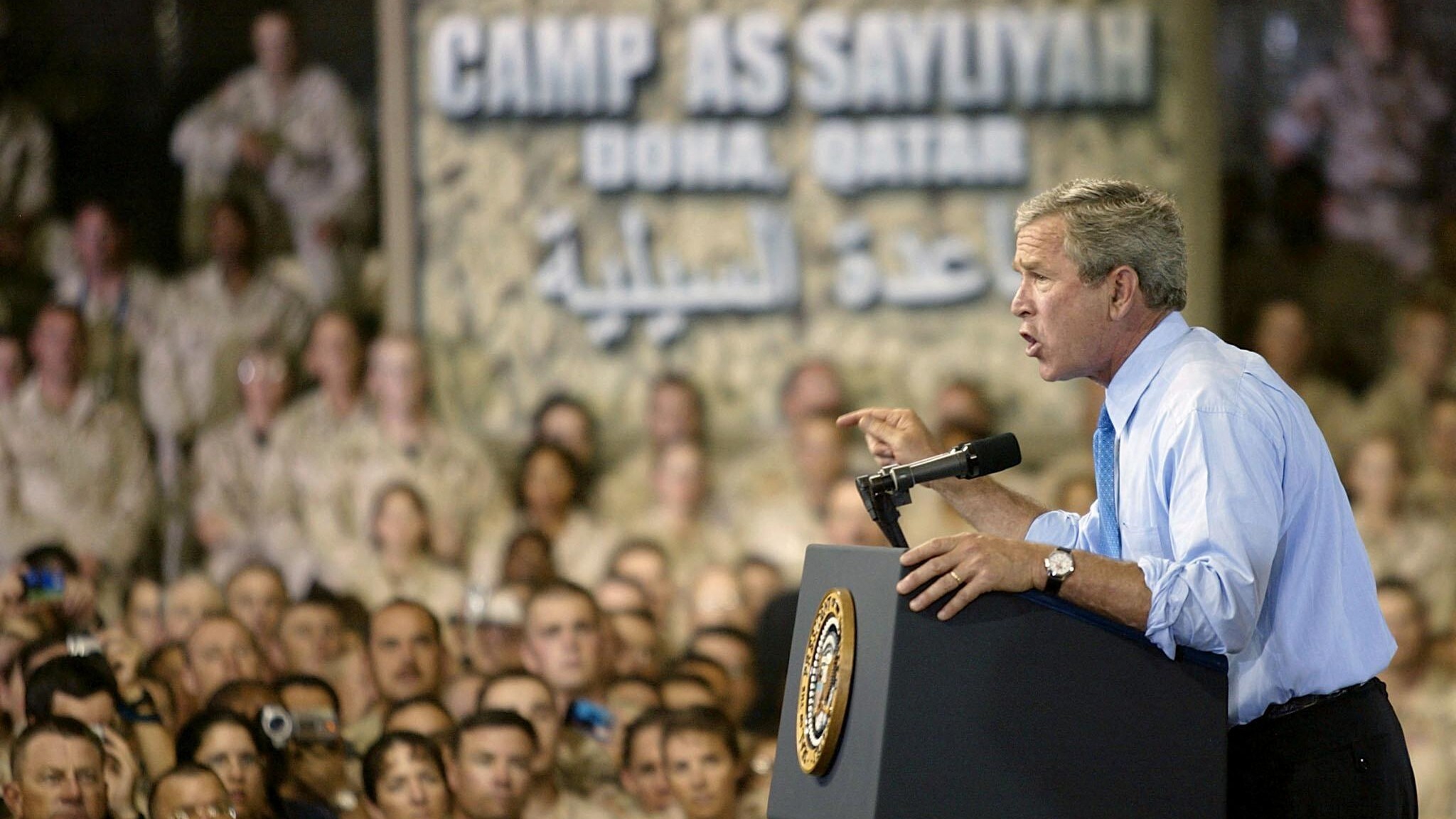
The United States is set to close Camp As-Sayliyah (CAS) in Qatar, a transit facility housing over 1,000 Afghan refugees awaiting resettlement, sparking outrage from lawmakers and advocacy groups who accuse the administration of abandoning its commitments. The decision, confirmed by the State Department to Middle East Eye, will see all Afghans relocated from the camp by March 31st, with full demobilization of CAS by the end of the fiscal year. This move raises serious concerns about the fate of those who risked their lives assisting the US mission in Afghanistan and highlights a growing political battle over the treatment of Afghan allies.
Closure of Camp As-Sayliyah: A Betrayal of Promises?
The impending closure of CAS represents a significant shift in US policy towards Afghans who sought refuge after the chaotic withdrawal of American forces in 2021 and the subsequent Taliban takeover. CAS served as a crucial initial holding point for many evacuated from Afghanistan, offering a temporary haven while their immigration paperwork was processed. However, the process has been plagued by delays and bureaucratic hurdles, leaving thousands in a state of prolonged uncertainty. Recent evacuations continued as late as January 2025, demonstrating the ongoing need for such facilities.
The criticism is particularly sharp given the assurances made to Afghans who collaborated with the US and NATO forces. Gregory Meeks, the top Democrat on the House Foreign Services Committee, condemned the move as “the latest reckless step…to dismantle every remaining pathway for these allies to safely relocate in the United States.” He characterized it as a “profound betrayal” of those who stood with the US, and emphasized the international scrutiny surrounding the situation, urging the White House to prevent involuntary returns to Afghanistan or third countries.
State Department Justification and Concerns Over Vetting
The State Department defends the closure by stating that CAS was a product of an initial effort to rapidly relocate Afghans, often “without proper vetting.” They argue that maintaining the camp indefinitely is neither appropriate nor humane, and that relocating the population to third countries represents a “positive resolution” ensuring their safety. This statement, however, has been met with skepticism.
Advocacy groups point out that individuals housed at CAS have already undergone at least two levels of screening, designated as a “lily-pad” facility with the explicit intention of resettling them in the US. Shawn VanDiver of #AfghanEvac highlights that approximately 800 Afghans at CAS are already on a pathway to US refugee status, with a significant proportion being women and family members of US military personnel. He firmly rejects the characterization of this as a solution, labeling it a “retreat from obligation” and asserting the US has a “legal, moral, and strategic responsibility” to complete the process. The lack of identified third countries willing to accept these Afghan evacuees further fuels these concerns.
Political Polarization and the Biden Administration’s Response
The announcement coincides with heightened political tensions surrounding the Afghan resettlement program. A recent hearing by the Republican-led Senate Judiciary Committee, titled “Biden’s Afghan Parolee Program – A Trojan Horse with Flawed Vetting and Deadly Consequences,” underscores the partisan divide. Republicans allege that insufficient vetting procedures allowed individuals with criminal records or potential terrorist sympathies to enter the US.
This criticism is countered by those who argue that the initial evacuation was a crisis response requiring swift action. Haris Tarin, former chief of staff of Operation Allies Welcome (OAW), described the situation as “complete madness,” emphasizing the loyalty and sacrifices of the Afghans who assisted the US mission. He accused critics of “politicising the issue” and pointed to the low number of arrests among the thousands of Afghans resettled in the US as evidence of effective vetting.
The Impact of Trump Administration Policies on Afghan Resettlement
The current situation is also deeply rooted in policies enacted during the Trump administration. Immediately after taking office, Trump suspended all refugee admissions, leaving thousands of Afghans stranded in third countries. He subsequently eliminated key programs like Operation Enduring Welcome and the Office of the Coordinator for Afghan Relocation Efforts, significantly slowing down the processing of Special Immigrant Visas (SIVs) for Afghan allies.
Furthermore, the administration’s decision to strip Afghans of Temporary Protected Status (TPS) and the potential for re-interviewing previously admitted refugees adds to the climate of uncertainty and fear. These actions, critics argue, demonstrate a consistent pattern of dismantling support for Afghans who risked their lives for the US.
A Complex Legacy and the Path Forward
The withdrawal from Afghanistan and the subsequent resettlement efforts have been fraught with challenges. While the initial evacuation brought 70,000 Afghans to the US, an estimated 180,000 are still awaiting SIV processing, with another 65,000 seeking refugee status and 15,000 pursuing family reunification. The closure of CAS, coupled with ongoing political battles, threatens to further complicate this already complex situation.
Arash Azizzada, co-founder of Afghans for a Better Tomorrow, stresses the US’s responsibility to “continue to repair the harm” caused by decades of conflict. He argues that financial constraints should not be an excuse, given the vast resources expended during the war itself. Ultimately, the fate of the Afghans at Camp As-Sayliyah, and those still awaiting resettlement, hinges on a renewed commitment from the US government to honor its promises and provide a safe and secure future for those who stood by its side. The situation demands a comprehensive and humane approach, prioritizing the well-being and security of these vulnerable individuals.


