






The arrest of Venezuelan President Nicolás Maduro by U.S. forces over the weekend has ignited an international firestorm. The United States asserts the necessity of preventing adversaries from controlling Venezuela’s vast oil reserves, framing the move as a crucial step to safeguard regional stability. However, the operation, which involved both military action and the legal proceedings now unfolding in New York, has drawn sharp criticism from key global players. This article will delve into the details of the situation, the justifications offered by the U.S., and the responses from Venezuela and its allies.
U.S. Justification: Securing Energy Interests and Regional Security
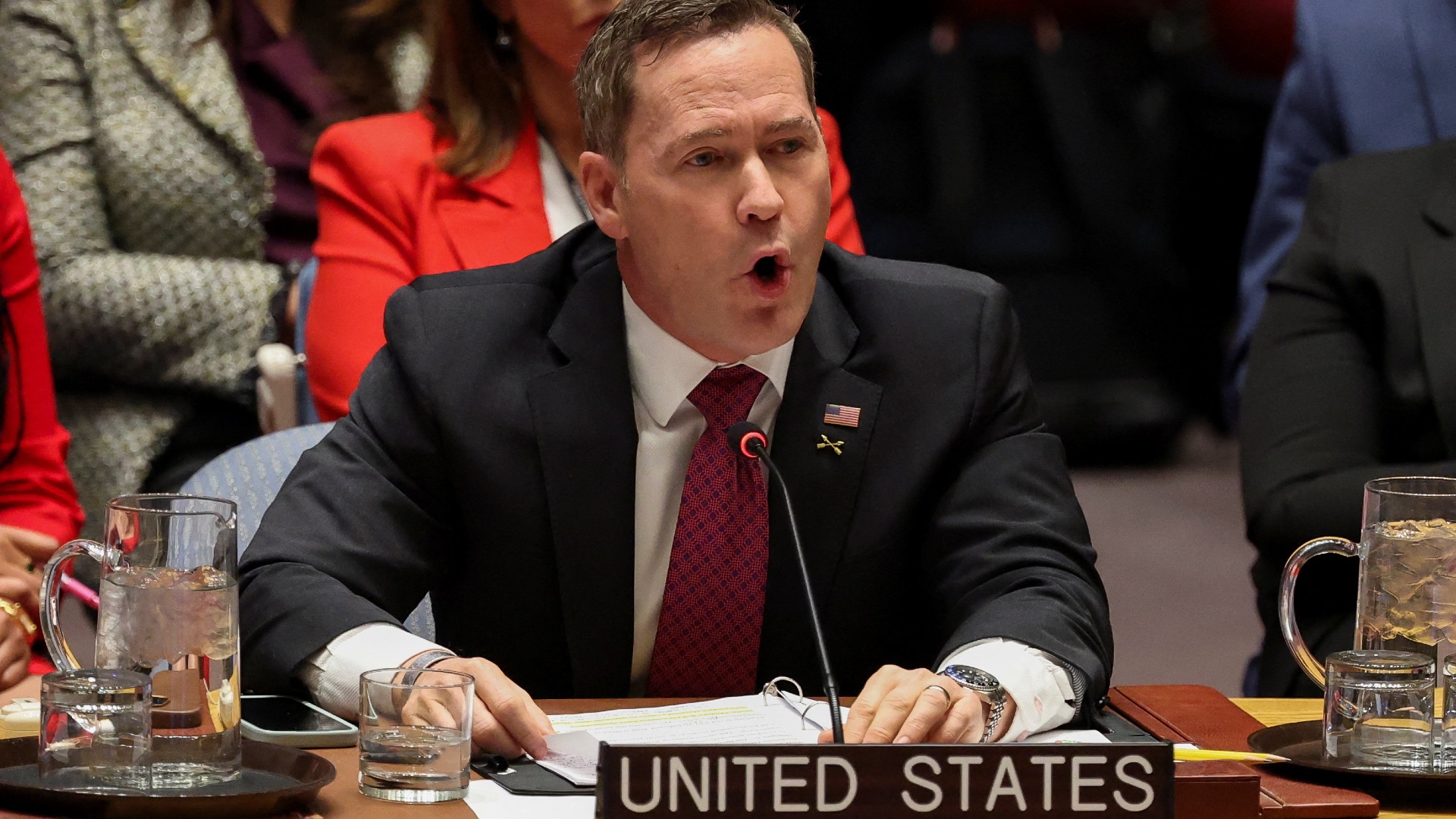
During a session of the United Nations Security Council (UNSC) on Monday, U.S. Ambassador Mike Waltz vehemently defended the actions taken against Maduro. He stressed that the U.S. “cannot allow the Western Hemisphere to be used as a base of operation for our nation’s adversaries.” The core of his argument rested on the strategic importance of Venezuela’s oil reserves, positioning them as being far too critical to fall under the control of governments deemed hostile to U.S. interests.
Waltz insisted that the goal isn’t ‘occupation’ but rather preventing illicit control. He clarified that the U.S. has no intention of occupying Venezuela, directly addressing concerns raised by Venezuelan officials and international observers. “There is no war against Venezuela or its people,” he stated, “We are not occupying a country.” Despite President Biden’s previous statements suggesting a more direct intervention, Waltz’s message aimed for reassurance.
Maduro’s Arrest and Legal Charges
Nicolás Maduro appeared in a New York federal court on Monday, pleading not guilty to a slew of charges including “Narco-Terrorism Conspiracy, Cocaine Importation Conspiracy, Possession of Machineguns and Destructive Devices, and Conspiracy to Possess Machineguns and Destructive Devices against the United States”. The indictment was initially returned by a federal grand jury in 2020, during the Trump administration.
U.S. Attorney General Pam Bondi subsequently released a more comprehensive indictment, expanding the charges to include Maduro’s wife, Cilia Flores, and their son, accusing them of drug trafficking, ordering kidnappings and murders, and accepting bribes. While the son remains at large, Flores also entered a not guilty plea alongside her husband. The ‘unsealed indictment’ process, a key detail, effectively holds formal charges until the accused appears in court. This case hinges on evidence linking Maduro and his associates to the illicit drug trade and potential threats to U.S. national security.
International Condemnation and Concerns Over Legality
The U.S. operation has been met with widespread condemnation, particularly from Russia and China, both permanent members of the UNSC with veto power. They view the apprehension of a head of state from a sovereign nation as a blatant violation of international law. Despite this opposition, the U.S. can likely prevent meaningful action at the UN due to its own veto power.
UN Secretary-General Antonio Guterres has expressed his “deeply concerned” about a potential breach of international law. He emphasized that member states must forgo the “threat or use of force against the territorial integrity or political independence of any state,” as stipulated in the UN charter. Guterres underscored the potential for increased instability in Venezuela and the problematic precedent this action sets for international relations. The UN is now offering support for dialogue between the U.S. and Venezuela.
Rising Death Toll and Allegations of Underlying Motives
Reports emerging from Venezuela paint a grim picture. A senior Venezuelan official cited by The New York Times claims the death toll from the U.S. military incursion has risen to 80, including both civilians and members of the security forces, with the possibility of further casualties. This adds a layer of urgency and moral complexity to the situation.
Adding to the controversy, Venezuela’s acting president, Delcy Rodríguez, has alleged “Zionist undertones” to the U.S. seizure of Maduro. While the nature of this claim is disputed, it underscores the intense political and ideological tensions surrounding the crisis. Rodríguez, appointed by the Supreme Court, is currently leading the country in Maduro’s absence. This suggests a continuation of resistance from within Venezuela. The broader geopolitical implications and potential motivations behind the U.S.’s actions are subject to intense scrutiny. Political analysts are considering whether control over Venezuelan oil is the sole driver, or if other factors, such as countering Russian and Chinese influence in the region, are also at play.
The Future of Venezuela and U.S. Policy
The situation in Venezuela remains highly volatile. While the U.S. asserts its commitment to a peaceful transition and denies intentions of occupation, the forceful removal of Maduro has undeniably destabilized the country. The present crisis underscores the complexities involved in interventions aimed at securing energy resources and promoting political change. It raises crucial questions regarding the limits of U.S. foreign policy and the importance of respecting national sovereignty, even in situations where leadership is considered illegitimate.
The ultimate outcome of Maduro’s legal battles, and the future of Venezuela, depend on a multitude of factors, including the strength of the evidence presented by the U.S., the ability to foster genuine dialogue, and the evolving positions of key international actors. Navigating this crisis will necessitate a nuanced and carefully considered approach, acknowledging the significant humanitarian and geopolitical consequences at stake. Further negotiations, potentially mediated by the UN, and a focus on the well-being of the Venezuelan people are critical to de-escalating tensions and fostering a path towards stability. The availability of Venezuelan crude oil on the global market also impacts the situation, adding another layer of importance.


