






For a long time, the song “Always Love Me” has dominated Israeli music charts, racking up around 44 million views on YouTube. This figure is particularly striking considering Israel’s population and the limited global understanding of Hebrew. Beyond mere popularity, this song serves as a chilling microcosm of Israel in 2025, revealing a society deeply entrenched in self-deception, unwavering optimism despite turmoil, and a disconcerting disconnect from reality.
A Soundtrack to Disparity: “Always Love Me” and the Year’s Events
The ubiquity of “Always Love Me” throughout the past year stands in stark contrast to the events unfolding within and around Israel. While Israelis danced and sang along to its lyrics of perpetual positivity, Gaza endured a devastating conflict, resulting in widespread destruction and immense human suffering. Within Israel itself, a somber reality persisted: approximately 450 soldiers lost their lives, dozens of civilians were killed in security incidents, military suicides and PTSD cases rose sharply, and domestic violence surged. Despite the eventual ceasefire agreement, political and economic uncertainty continued to plague the nation. The song’s message of unrelenting happiness is, therefore, profoundly unsettling in the context of such hardship. The disconnect raises crucial questions about collective psychology and the ability of a society to confront difficult truths.
Netanyahu’s Unlikely Triumph
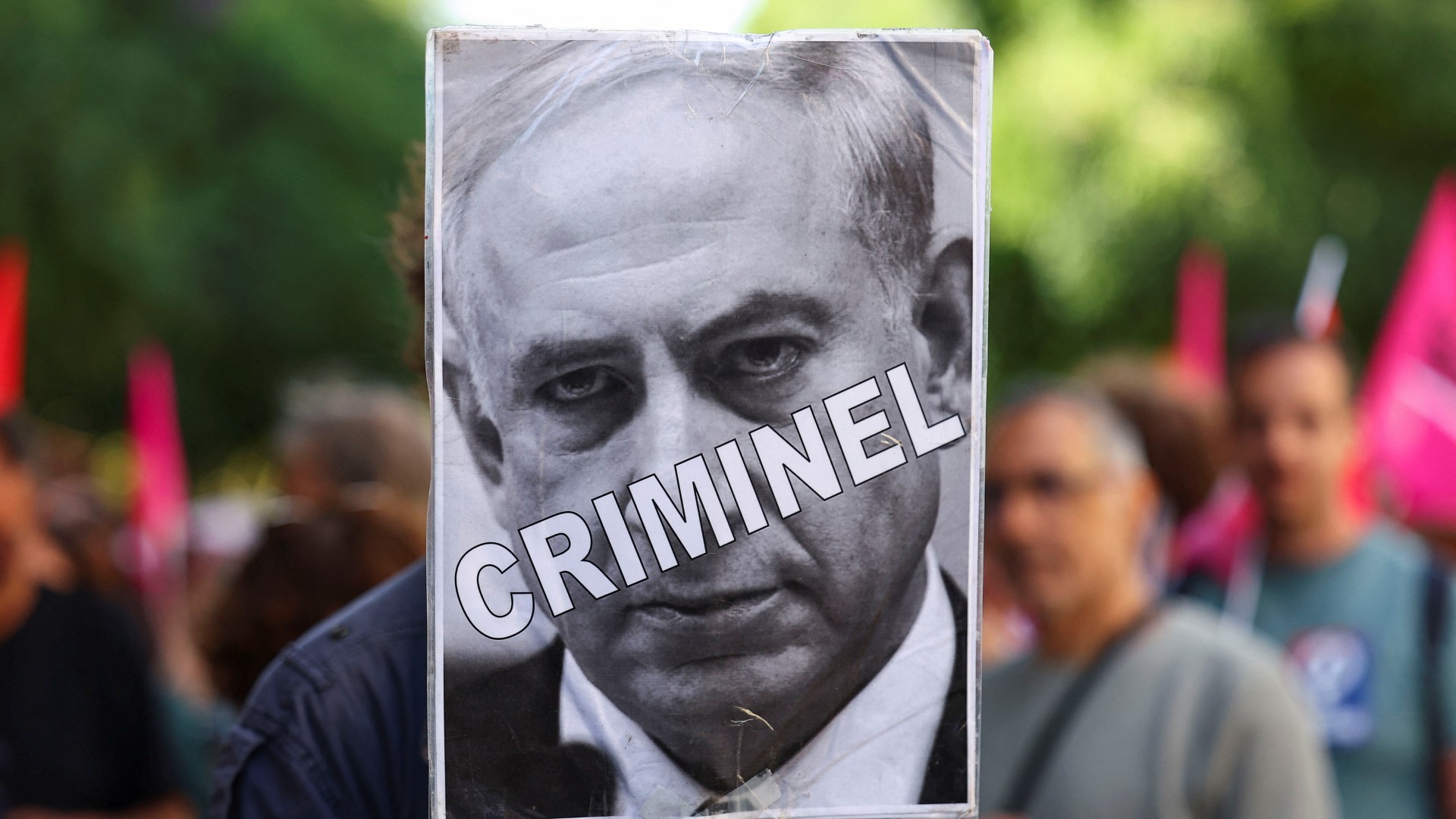
Adding another layer of complexity, 2025 proved to be the most politically successful year of Prime Minister Benjamin Netanyahu’s career. Just five years prior, he faced three criminal indictments and a brief stint in the opposition as a new government took power. However, his return in November 2022 marked a dramatic shift. He immediately initiated a controversial judicial overhaul aimed at weakening the Supreme Court, igniting unprecedented protests across the country. These demonstrations, sometimes numbering in the hundreds of thousands, highlighted deep divisions within Israeli society.
The October 7th, 2023 Hamas attack—Israel’s most devastating security failure since 1948—further complicated Netanyahu’s position, juggling military response with ongoing legal battles. Yet, by the end of 2025, his political standing is remarkably secure. This resilience, ironically, is fueled by the very crises that plagued his government.
Dismantling Checks and Balances
A key factor in Netanyahu’s success has been the systematic weakening of Israel’s legal and security institutions. Last month, a request for a presidential pardon was formally submitted, a move facilitated by the influence of US President Donald Trump, who openly advocates for it. Netanyahu has emphatically stated his intention to remain in power, signaling a rejection of any accountability.
Beyond the pardon request, Netanyahu’s government actively reshaped the leadership of critical agencies.
The Security Apparatus Under Control
- Israel Defense Forces (IDF): Army Chief of Staff Herzi Halevi resigned following sustained pressure surrounding the failures of October 7th. He was replaced by Eyal Zamir, a general known for his aggressive stance.
- Shin Bet (Internal Security Agency): Director Ronen Bar was forced to resign amidst a crisis with the government, and replaced by David Zini, a figure described as openly messianic and potentially willing to weaponize the agency for political purposes.
- Mossad (National Intelligence Agency): The designated next head, Roman Gofman, represents a break from tradition, lacking deep roots in Israel’s intelligence community and instead having previously served as Netanyahu’s military secretary.
These appointments demonstrate a clear pattern: prioritizing loyalty and ideological alignment over experience and independence. This consolidation of power, coupled with efforts to weaken the judiciary, has severely compromised the institutional safeguards vital for a functioning democracy. The increasingly authoritarian nature of the government raises concerns about future abuses of power and the erosion of civil liberties. Israel in 2025 is characterized by this substantial shift towards executive dominance and the suppression of dissent.
Expanding Influence and Ignoring Reality
Alongside internal restructuring, Netanyahu’s government pursued policies that expanded Israel’s influence, particularly in the occupied territories. Finance Minister Bezalel Smotrich, holding a dual role within the defense ministry, initiated structural changes transferring authority from the military to civilian bodies, effectively enacting de facto annexation. Social Equality Minister May Golan simultaneously worked to cut funding for Palestinian citizens of Israel.
Despite facing tensions with Haredi parties – who maintain a coalition based on shared interests but currently dispute the drafting of yeshiva students – Netanyahu has managed to maintain their support. His success in dismantling checks and balances, combined with a willingness to operate with a lack of transparency and accountability, allowed him to navigate these challenges and solidify his position.
A Troubling Trajectory into 2026
As Israel in 2025 transitions into 2026, a troubling trajectory emerges. Though the immediate intensity of the Gaza conflict may wane, early signals indicate that it will likely fade from international media attention, and the issues it exposed will not be meaningfully addressed. Netanyahu appears poised to continue on his offensive path, both externally and internally, bolstered by a society seemingly detached from the consequences of its actions.
With a weakened legal system and a climate of fear within the civil service, the nation appears unprepared for the growing regional instability. A fragile ceasefire in Lebanon, deepening Israeli occupation in southern Syria, and the increasing international legitimacy of Syria’s new president all threaten to escalate into wider conflict. Moreover, the cynical approach towards human life demonstrated during the Gaza conflict undermines any prospect of genuine peace. The secondary keyword, regional instability, is critical when understanding the scenario developing in the area.
Ultimately, the juxtaposition of joyful celebration embodied by “Always Love Me” and the harsh realities of 2025 paints a deeply unsettling portrait. It reveals a society caught in a dangerous cycle of denial, driven by a leader willing to sacrifice democratic principles for personal gain. The song and the political landscape illustrate a profound lack of empathy and a disturbing willingness to ignore the long-term consequences of shortsighted policies, making regional security a paramount concern.


