






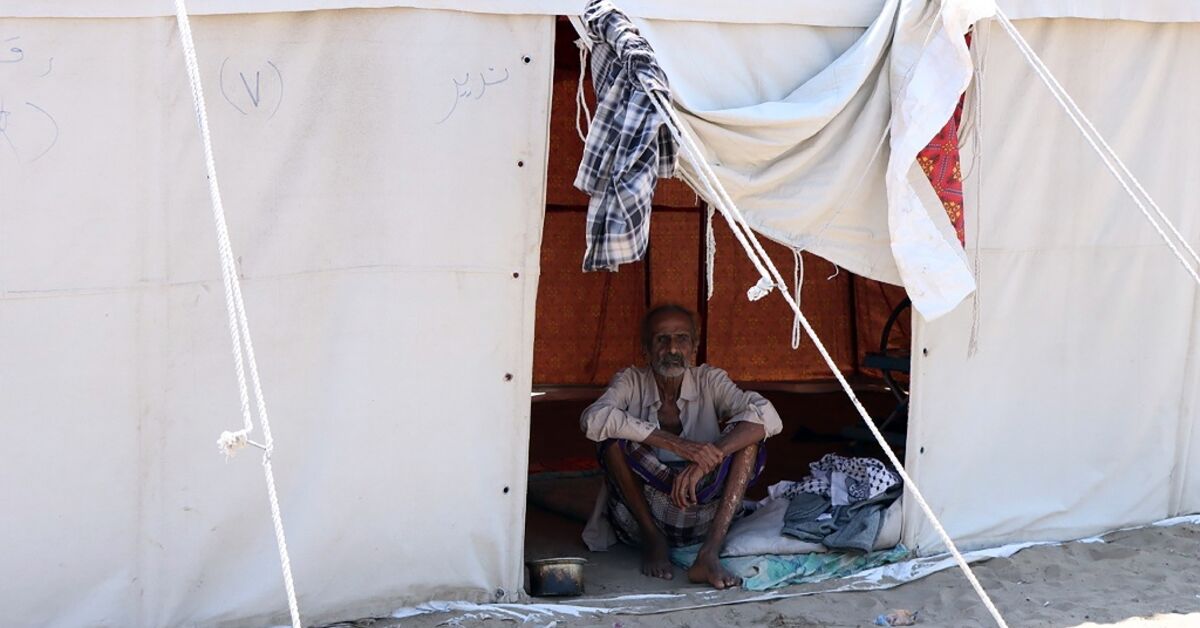
The once-vibrant port city of Aden in Yemen is grappling with a severe humanitarian crisis, overwhelmed by a massive influx of internally displaced persons (IDPs) fleeing the ongoing conflict. What was historically a picturesque hub on the Red Sea has been transformed into a city struggling to provide basic necessities like electricity and water to its burgeoning population. The situation highlights the devastating impact of the war on Yemen’s infrastructure and the urgent need for increased humanitarian aid. This article will delve into the challenges facing Aden, the reasons behind the population surge, and the bleak outlook for the future.
Aden Under Strain: A City Overwhelmed
Aden, currently the seat of Yemen’s internationally recognized government, has become the primary destination for Yemenis escaping violence, particularly since the Houthi takeover of Sanaa in 2014. The city’s population has more than doubled in the last two decades, soaring from 1.5 million to an estimated 3.5 million today. According to Mohammed Saeed al-Zaouri, Yemen’s minister of social affairs and labour, at least 755,000 people are registered as having arrived in Aden, with countless others unregistered. This unprecedented growth has pushed the city’s already fragile infrastructure to the brink of collapse.
The consequences are stark. Constant power cuts are the norm, leaving residents reliant on expensive and often unavailable generators. Access to clean running water is increasingly scarce, forcing people to depend on costly water trucks. Public services, including healthcare and sanitation, are severely overstretched and unable to meet the growing demand. The situation is further complicated by the arrival of thousands of African migrants seeking passage to the Gulf countries, adding another layer of pressure on the limited resources.
The Root Causes of Displacement and the Growing Population
The primary driver of the population increase in Aden is the ongoing civil war between the Houthi rebels, backed by Iran, and the Saudi-led coalition supporting the Yemeni government. The conflict has created one of the world’s worst humanitarian crises, with millions of Yemenis dependent on aid for survival.
The seizure of Sanaa by the Houthis in 2014 forced the government to relocate to Aden, triggering a wave of displacement as people sought safety and employment in the government-controlled city. As fighting intensified in other parts of the country, particularly in areas like Hodeida, the flow of IDPs into Aden continued unabated. Abdulrahman Mohyiddin, who fled Hodeida with his family in 2018, now lives in a tent on the outskirts of Aden, lacking even the most basic necessities. His story is representative of the hardship faced by countless others.
The Economic Impact of the Crisis
The war has had a devastating impact on Yemen’s economy, and Aden has not been spared. The depreciation of the local currency, coupled with the halt of oil exports and restrictions on funding, has led to a sharp economic downturn. Rents have skyrocketed, making it increasingly difficult for both residents and IDPs to find affordable housing.
Many government employees, like Mohammed, a 37-year-old who only shared his first name, find their salaries insufficient to cover basic expenses. He earns approximately $80 a month, while the average apartment rent starts at $106. This financial strain has forced many to postpone life plans, such as marriage, and has pushed thousands into overcrowded camps. The reliance on humanitarian aid is widespread, with children in many families depending on food packets distributed by organizations like the United Nations.
A Bleak Future: The Risk of Complete Collapse
Experts warn that Aden’s capacity to absorb the expanding population is nearing its end. Farea al-Muslimi, a Yemen expert at Chatham House in London, predicts the complete collapse of services in the city is “only a matter of time.” He describes a city “drowning in sewage, constant power cuts, and worse, poor governance.”
The situation is exacerbated by the broader humanitarian crisis in Yemen, where an estimated 19.5 million people are in need of assistance as of 2025, including 4.8 million internally displaced individuals. Even the wealthier areas of Aden are showing signs of strain. A poignant example is the police dog at the Coral Aden Hotel, a frequent host to diplomatic missions, who is too weak to bark and relies on leftover food from the guards. This image encapsulates the pervasive poverty and desperation that have gripped the city.
The ongoing conflict, despite a truce since 2022, continues to claim lives and exacerbate existing vulnerabilities. Hundreds of thousands have already perished due to fighting and related causes like malnutrition. The lack of investment in infrastructure and the diversion of resources towards the war effort have left Aden ill-equipped to cope with the challenges it faces. The need for sustainable solutions, including increased international aid, improved governance, and a lasting peace agreement, is more urgent than ever. Addressing the root causes of displacement and investing in the long-term recovery of Aden are crucial steps towards alleviating the suffering of its residents and building a more stable future for Yemen. The international community must prioritize the humanitarian needs of Yemen and work towards a comprehensive resolution to the conflict to prevent further deterioration of the situation in Aden and across the country.


