






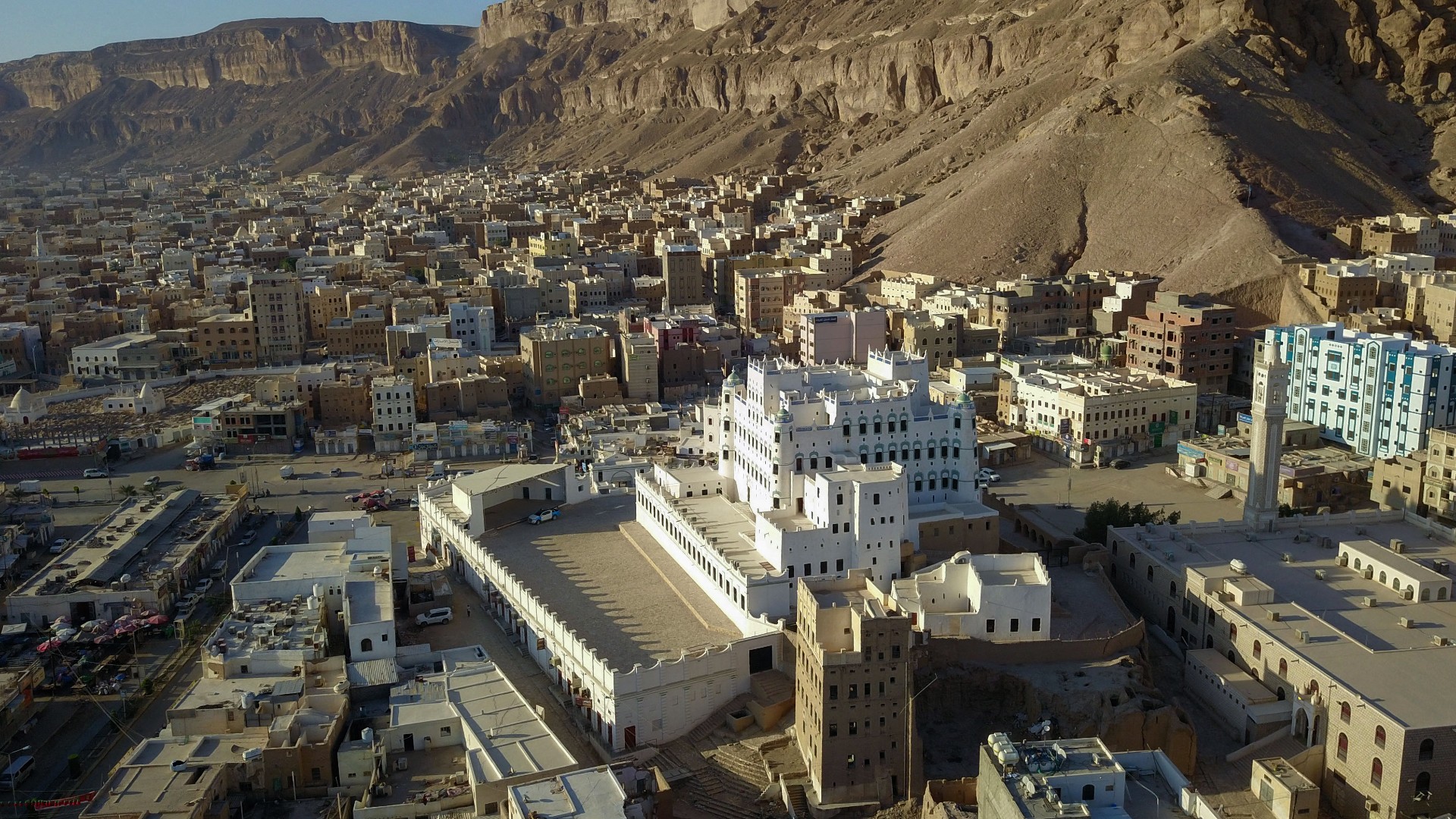
The situation in Yemen remains volatile, with recent escalations in the eastern Hadhramaut region drawing international attention. On Wednesday, the Southern Transitional Council (STC), backed by the United Arab Emirates, announced its control over Seiyun, a strategically important city. This move, part of the STC’s “Promising Future” military operation, immediately ignited fears of a direct confrontation with Saudi-backed tribal forces, potentially deepening the existing conflict and threatening Yemen’s fragile oil production. Understanding the dynamics and implications of the STC’s control of Seiyun is critical for assessing the future of the country.
Escalation in Hadhramaut: The STC Takes Control of Seiyun
The capture of Seiyun marks a significant power shift in Hadhramaut, a vast region constituting roughly a third of Yemen’s territory. The province’s importance is further magnified by its possession of approximately 80% of Yemen’s limited oil reserves. For weeks, reports and footage circulated showing a clear build-up of STC forces heading towards the region, signaling the imminent launch of “The Promising Future” campaign. This operation wasn’t perceived in isolation; it was, and continues to be, viewed as a challenge to the existing power structure built upon Saudi influence.
Tensions with the Hadramout Tribes Alliance
Growing tensions between the Hadrami Elite Forces, the STC’s primary operational arm, and the Saudi-backed Hadramout Tribes Alliance have been brewing for some time. Senior STC commander Abu Ali al-Hadrami openly accused the tribal alliance of acting on “foreign agendas,” specifically targeting their efforts to obstruct the STC’s long-held ambition for southern Yemen’s independence. He emphasized the STC’s determination not to tolerate attempts to impose a new status quo by force.
Sheikh Amr bin Habrish, leading the tribal alliance, countered these accusations, firmly declaring that any “foreign or non-local military presence” in Hadhramaut would be met with resistance. He specifically points to the origins of the Hadrami Elite Forces, noting a reliance on fighters originating from outside the Hadhramaut region, therefore classifying them as non-local. This statement also served as a direct appeal to Saudi Arabia for intervention to prevent further escalation.
Disruption to Oil Production and Infrastructure
The immediate impact of the escalating conflict was felt in Yemen’s energy sector. PetroMasila, the country’s largest oil company located in Hadhramaut, was forced to suspend production after armed men linked to the Hadramout Tribes Alliance stormed the facility. This disruption not only exacerbates Yemen’s already severe economic crisis but also raises concerns about the long-term viability of its oil industry.
Clashes were also reported within Seiyun itself. According to Al-Mayadeen, fighting broke out at the presidential palace and Seiyun International Airport, resulting in at least three fatalities. These encounters highlight the intensity of the conflict and the potential for further widespread violence. The situation underscores the precarious state of infrastructure in Yemen and the risk of irreparable damage.
Allegations of Foreign Interference
The conflict is deeply intertwined with regional geopolitical rivalries. The STC has leveled accusations against the First Military District in Seiyun, alleging ties to the Muslim Brotherhood and collaboration with extremist groups.
However, perhaps more significant are claims of direct Emirati involvement. Sources close to the tribal alliance, speaking to al-Akhbar, revealed intelligence suggesting a detailed Emirati plan, orchestrated by Abu Ali al-Hadrami, to seize control of the oil plateau. The plan reportedly includes severing Saudi supply lines and securing vital facilities and desert routes connecting Hadhramaut to Saudi Arabia. This alleged ambition demonstrates the UAE’s strategic interest in dominance over Yemen’s energy resources and transit routes.
UAE Military Support to the STC
Adding fuel to the fire, geopolitical analyst Rich Tedd has reported evidence of the STC utilizing military hardware supplied by the UAE. Specifically, he identified Chinese-made 155mm AH-4 howitzers – the same systems reportedly provided to Sudan’s Rapid Support Forces – in the possession of STC fighters. Furthermore, armored vehicles of UAE manufacture were also observed in use during the campaign. This underscores the extent of the UAE’s material support for the STC’s control of Seiyun and its broader agenda in southern Yemen. This support also became noticeable with the expansion of the Emirates’ military bases around the Gulf of Aden, notably on the islands of Abd al-Kuri and Samhah, as reported in October by Middle East Eye.
The Future of Hadhramaut and Yemen
The STC’s control of Seiyun represents a critical turning point in Yemen’s convoluted conflict. The potential for an all-out war between the STC and Saudi-backed forces is very real, and the consequences would be catastrophic for the already suffering Yemeni population. The dependence on oil resources in Hadhramaut makes the region a prime target for conflict, and any disruption to production will have far-reaching economic repercussions.
Successfully navigating this crisis requires a concerted effort from international actors to de-escalate tensions and promote a genuine political dialogue. Finding a solution that respects the legitimate concerns of all parties, including the need for security, economic stability, and a representative government, is paramount. Failure to do so will only prolong the suffering and instability that have plagued Yemen for far too long. Further analysis of the Yemen conflict and the role of regional powers in the Arabian Peninsula will be necessary to understand the long-term implications of these developments.


