






The recent wave of unrest sweeping across Iran, fueled by a deteriorating economic crisis and rising discontent, has resulted in a violent crackdown by security forces. Reports indicate that at least 27 protesters have been killed, including minors, as demonstrations continue to erupt, primarily triggered by the plummeting value of the Iranian Rial. This surge in protest activity marks a significant challenge to the current leadership and raises concerns about the stability of the Islamic Republic. The current situation mirrors, yet diverges from, past periods of social upheaval within the country.
Escalating Protests and Government Response
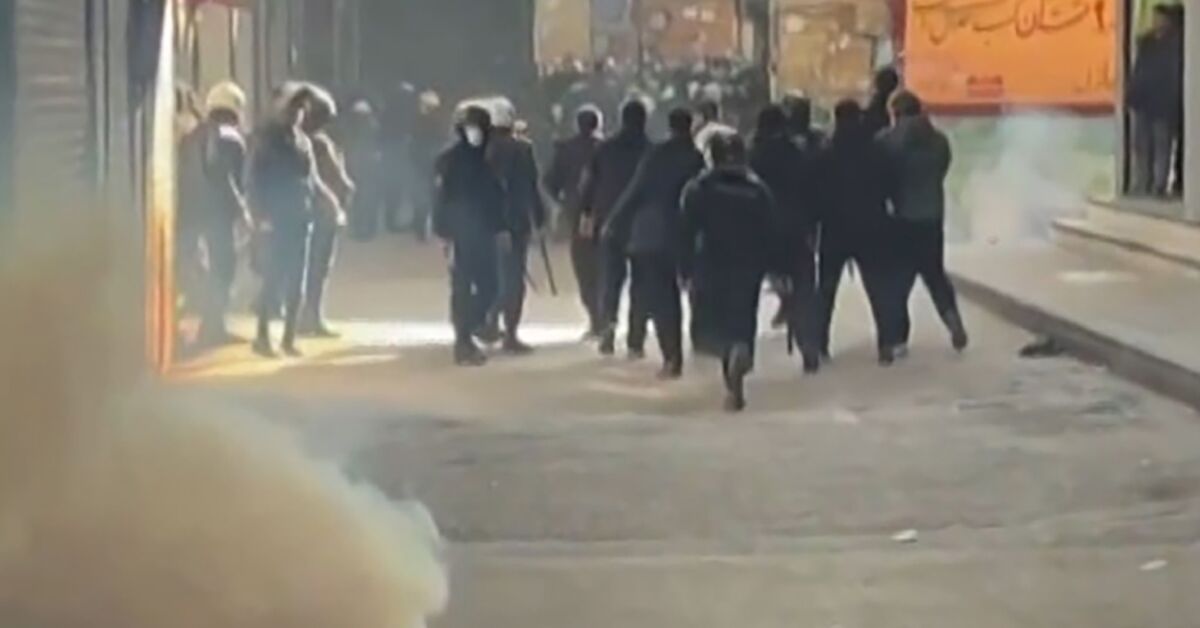
The protests initially began on December 28th with merchants in the Tehran bazaar shutting down their shops in response to the rapidly declining Rial, reaching a new record low against foreign currencies. This act of defiance quickly spread beyond the capital, gaining traction in western regions of Iran inhabited by Kurdish and Lor minority groups. Security forces responded swiftly, employing tear gas to disperse demonstrators gathered at the bazaar in Tehran on Tuesday, according to state media and verified reports.
Rising Death Toll and Arrests
Norway-based NGO Iran Human Rights (IHR) has reported a disturbing escalation in violence. They claim at least 27 protesters have been killed by security forces over the past ten days, with five of the victims being children under the age of 18. Simultaneously, over 1,000 people have reportedly been arrested nationwide. IHR specifically pinpointed an incident on Saturday in the Malekshahi district of Ilam province where at least six protesters were killed by gunfire. The NGO also alleges that authorities raided a hospital in Ilam to detain injured protesters, a claim echoed by Amnesty International, who condemned the act as a further demonstration of the government’s willingness to suppress dissent. Reports suggest substantial arrests are also occurring in Yasuj, western Iran, another hotspot for demonstrations.
Echoes of Past Uprisings & New Dynamics
These protests are the most serious to challenge the Islamic Republic since the widespread demonstrations of 2022-2023, sparked by the death of Mahsa Amini. However, they follow a different trajectory than the Amini protests which were heavily focused on women’s rights. While demands for freedom and opposition to the ruling system are prevalent, the immediate trigger is the crippling economic hardship impacting ordinary Iranians. The situation is further complicated by the recent 12-day conflict with Israel in June, which has exacerbated existing economic pressures.
While smaller in scale than the 2009 protests following disputed elections, these current demonstrations present a potent new challenge for the 86-year-old Supreme Leader Ayatollah Ali Khamenei, who has been in power since 1989. Protesters are openly calling for the overthrow of Khamenei, with slogans like “Seyyed Ali will be overthrown” echoing in the streets, as captured in verified social media footage. The revival of calls for the return of the Pahlavi dynasty also signifies a deep desire for systemic change.
Economic Grievances at the Heart of the Issue
The cost of living has become unsustainable for many Iranians. The devaluation of the Rial has led to soaring inflation, making essential goods and services unaffordable. The government’s response, announcing modest monthly payments to alleviate the financial strain, is widely seen as inadequate. This perception is reinforced by online videos circulating, seemingly showing a disparity between the elite and the general population, with claims that the children of the powerful receive education abroad while the children of ordinary citizens face arrest and imprisonment for exercising their right to protest.
The US State Department has shared a video on its Persian-language X account highlighting this sentiment, showcasing protesters chanting “their kids in Canada, ours in prison.” The demand for the immediate release of detainees is becoming a rallying cry for the movement. The ongoing decline in the Rial, falling to approximately 1.47 million to the dollar on the black market, demonstrates the severity of the economic situation and reinforces the protesters’ frustration. The initial drop to 1.43 million on December 28th directly ignited the current unrest.
A Complex Future for Iran
The government, under President Masoud Pezeshkian, has warned of “no leniency” for “rioters”, signaling a continued hardline stance. Official Iranian media reports a lower number of fatalities – at least 12 – including members of the security forces. However, independent organizations like IHR paint a far more grim picture.
The current situation highlights a critical juncture for Iran. While the protests have not yet reached the scale of previous large-scale movements, the combined pressures of economic crisis, political discontent, and internal security challenges create a volatile environment. The future trajectory of the Islamic Republic will depend heavily on its response to these growing demands for economic stability and political reform. Further international observation and pressure for human rights accountability will be crucial in the coming weeks and months. The ongoing economic situation and the potential for further escalation remain key factors to watch, and the world observes how the Iranian government navigates this precarious period.


