






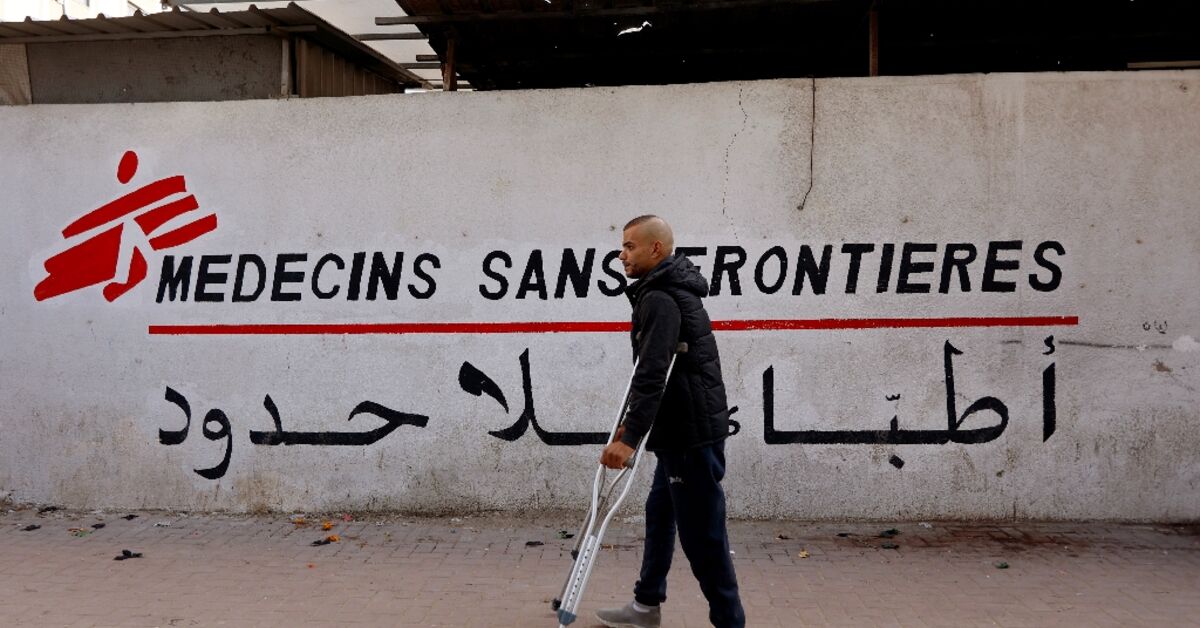
The looming threat of an Israeli ban on Doctors Without Borders (MSF), alongside 36 other aid organizations, is casting a dark shadow over the already dire humanitarian situation in Gaza. Patients within the overcrowded wards of hospitals like Nasser Hospital live with mounting fear – the fear of being abandoned without essential medical care. The proposed ban, slated for March 1st, stems from allegations that these organizations failed to provide detailed information regarding their Palestinian staff, raising serious concerns about the future of healthcare provision in the besieged territory. This situation is intensifying the already acute medical crisis in Gaza, a term that increasingly defines daily life for its residents.
The Impact of the Ban on Gaza’s Healthcare System
The decision by Israel to potentially halt operations of vital aid organizations like MSF isn’t merely an administrative issue; it represents a potentially catastrophic blow to Gaza’s already fragile healthcare infrastructure. MSF, in particular, plays a crucial role, stating they provide at least 20% of hospital beds within Gaza and operate around 20 health centers. This isn’t simply about numbers. It’s about the continuity of care for hundreds of thousands grappling with war wounds, chronic illnesses, and the daily struggles of living under siege.
The impact extends far beyond immediate treatment. The ban disrupts access to essential medical supplies. It jeopardizes ongoing treatment plans that require regular care and medication. And it adds another layer of anxiety and desperation to a population already reeling from months of conflict and displacement. The absence of these groups will exacerbate existing challenges related to humanitarian aid in Palestine.
Voices from Nasser Hospital: Fear and Uncertainty
The human cost of this potential disruption is heartbreakingly clear within the walls of Nasser Hospital. Ten-year-old Adam Asfour, recovering from shrapnel wounds sustained in a September bombing, poignantly expressed his fear. “They stood by us throughout the war,” he said, referring to MSF. “When I heard it was possible they would stop providing services, it made me very sad.” His story is a microcosm of the larger tragedy unfolding.
Fayrouz Barhoum, a grandmother whose 18-month-old grandson Joud is being treated for burns, shared a similar sentiment. Joud was injured when boiling water spilled on him during a storm that damaged their temporary shelter. “At first his condition was very serious, but then it improved considerably,” Barhoum explained, highlighting the critical role MSF played in his recovery. “The scarring on his face has largely diminished. We need continuity of care.” The thought of losing that vital support is simply unthinkable for her.
Across the hospital, patients and their families universally expressed the same apprehension: Where will they turn if MSF is forced to leave? The hospital, already operating at maximum capacity, is one of the few remaining functional medical facilities in Gaza.
Israel’s Justification and International Response
The Israeli Ministry of Diaspora Affairs and Combating Antisemitism defends its decision, claiming that two MSF employees have alleged ties to the Hamas and Islamic Jihad militant groups. These accusations are vehemently denied by MSF, which insists it maintains strict neutrality and independence in its operations.
The timing of these accusations and the impending ban has sparked significant international condemnation. Aid organizations have warned that preventing their access to Gaza will severely impede the delivery of crucial food and medical supplies. This is especially alarming considering the prolonged war and the subsequent scarcity of resources. Critics argue that the ban lacks sufficient justification and disproportionately punishes the civilian population. The accusations also bring into question the broader impact of political obstacles to aid delivery in the region.
MSF’s Commitment and Mounting Challenges
Despite the mounting obstacles, MSF maintains its commitment to serving the people of Gaza. Claire Nicolet, an MSF official, recognizes the near impossibility of finding an organization capable of replacing the breadth of their services. “It’s almost impossible to find an organization that will come here and be able to replace all what we are doing currently in Gaza,” she stated. She emphasized that MSF not only provides medical care but also addresses vital needs like providing clean drinking water.
However, the reality on the ground is bleak. Kelsie Meaden, an MSF logistics manager at Nasser Hospital, explained the tightening constraints. “For now, we will continue working as long as we can… We can’t have any more international staff enter into Gaza, as well as supplies… we will run into shortages.” The ban on international personnel and vital supplies poses a serious threat to their ability to sustain operations, even in the short term.
A Critical Juncture for Gaza’s Future
The potential departure of MSF and other aid organizations represents a critical juncture for the future of healthcare in Gaza. Without sustained international support, essential services like emergency care, maternal health, and paediatric treatment are at risk of complete collapse. The already devastating consequences of the conflict will be compounded by a preventable health catastrophe.
The current situation demands urgent international intervention to ensure that aid organizations can continue their vital work without unnecessary political interference. The lives of countless civilians depend on it. The international community must pressure Israel to reconsider its decision and prioritize the humanitarian needs of the people of Gaza, preventing further deepening of the existing medical crisis in Gaza. It’s a moral imperative, and a crucial step towards rebuilding a future of hope and stability in the region.


