






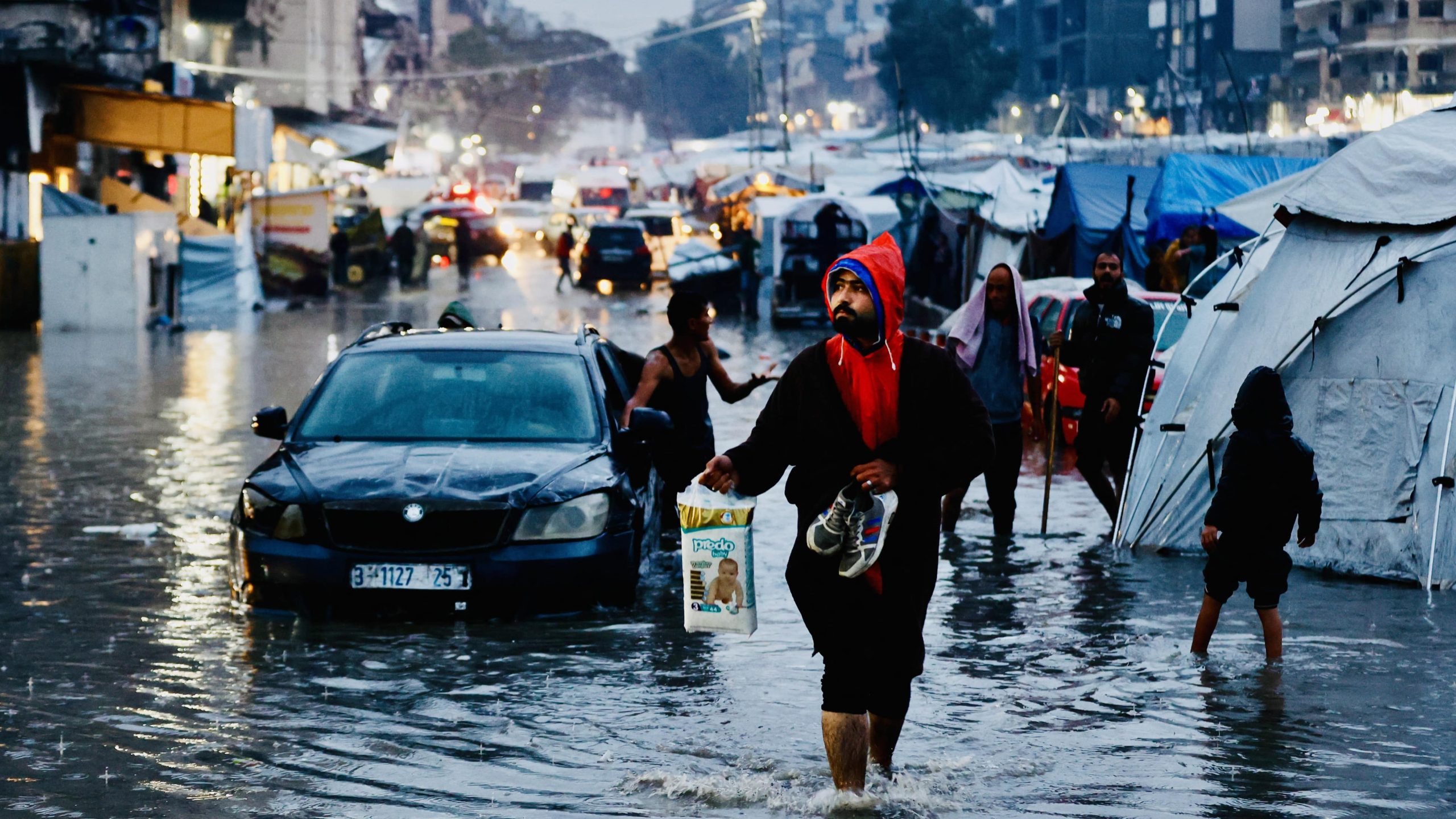
The recent severe weather conditions in the Gaza Strip have tragically claimed the life of a newborn baby, highlighting the desperate humanitarian crisis unfolding in the region. Mohammed Khalil Abu al-Khair, just two weeks old, succumbed to hypothermia due to the intense cold, a stark reminder of the vulnerability of Gaza’s population, particularly children, amidst ongoing restrictions and conflict. This tragedy is compounded by widespread damage to already fragile infrastructure caused by heavy rains and storms, leaving thousands exposed and in dire need of assistance.
The Deadly Impact of Hypothermia and Storm Byron in Gaza
The Gaza health ministry confirmed the heartbreaking death of baby Mohammed, who was brought to the intensive care unit two days prior. Despite medical efforts, his small body couldn’t withstand the plummeting temperatures. This isn’t an isolated incident; authorities report that Mohammed is one of thirteen children who have died in recent days as Storm Byron batters the Palestinian enclave. The situation is particularly acute for those displaced from their homes, lacking adequate shelter and warm clothing.
The vulnerability to cold weather is dramatically increased by the ongoing humanitarian situation. For over two years, Israel has imposed severe restrictions on the entry of essential goods into Gaza, including vital winter supplies like warm clothes, blankets, and materials for building shelters. While some aid does enter, it is severely limited and insufficient to meet the needs of the approximately two million residents.
UNRWA Warns of “Freezing to Death” and Aid Restrictions
The United Nations Relief and Works Agency for Palestine Refugees in the Near East (Unrwa) has issued a stark warning: Palestinians across Gaza are “freezing to death.” The agency’s statement, posted on X (formerly Twitter), emphasizes the immense challenges faced by aid workers attempting to provide relief amidst the continued restrictions on importing crucial shelter materials, such as tents.
Unrwa urgently calls for aid to be allowed into Gaza “at scale, without delay,” to prevent further loss of life and protect vulnerable displaced families. The lack of humanitarian assistance is exacerbated by the deteriorating condition of buildings, many of which have been damaged by previous conflicts and are now collapsing under the weight of waterlogged materials. This creates a dangerous cycle of displacement and exposure.
Collapsing Homes and Limited Emergency Response
The Palestinian Civil Defence has reported the collapse of numerous homes across the Gaza Strip, resulting in injuries and fatalities. However, their ability to respond effectively is severely hampered by a critical shortage of essential equipment, including heavy machinery, pumps, and crucially, fuel.
Spokesman Mahmoud Bassal highlighted the precarious situation of thousands of families living in low-lying and open areas, completely unprotected from the elements. He stressed that tents are no longer providing adequate shelter, stating they are “no longer viable for life under the current weather conditions.” The threat of further collapse looms large, with strong winds and continued rainfall expected to worsen the situation. Social media is filled with distressing footage of tents being ripped apart by the wind and completely flooded, showcasing the desperate conditions.
Ongoing Israeli Attacks Complicate Rescue Efforts
The humanitarian crisis is unfolding against a backdrop of continued Israeli military operations. Even as rescue teams struggle to cope with the weather-related emergencies, Israeli warplanes have been conducting airstrikes in southern and eastern Gaza City. Artillery and heavy weapons fire have also been reported throughout the territory, particularly in the areas of Rafah and Khan Younis.
These attacks have resulted in extensive demolition of civilian residential buildings, particularly in Rafah. Adding to the complexity, Civil Defence teams, in collaboration with the International Committee of the Red Cross, have resumed search and recovery operations for bodies of Palestinians killed during the two-year conflict. However, they are facing significant obstacles due to the lack of heavy machinery, with Israel yet to authorize its entry into Gaza. The need for bulldozers and excavators to clear rubble and reopen roads is critical for both rescue and recovery efforts. The situation is a compounding disaster, with the Gaza crisis deepening with each passing hour.
The Urgent Need for Humanitarian Intervention
The death of baby Mohammed is a tragic symbol of the suffering endured by the people of Gaza. The combination of severe weather, ongoing restrictions on aid, and continued military operations has created a catastrophic humanitarian situation. Addressing this crisis requires immediate and substantial action. The international community must pressure Israel to lift the restrictions on the entry of essential goods, including winter supplies and construction materials. Furthermore, a sustained and coordinated effort is needed to provide adequate shelter, medical care, and support to the vulnerable population of Gaza. The current situation demands a swift and compassionate response to prevent further loss of life and alleviate the immense suffering of those affected by this escalating humanitarian disaster.


