







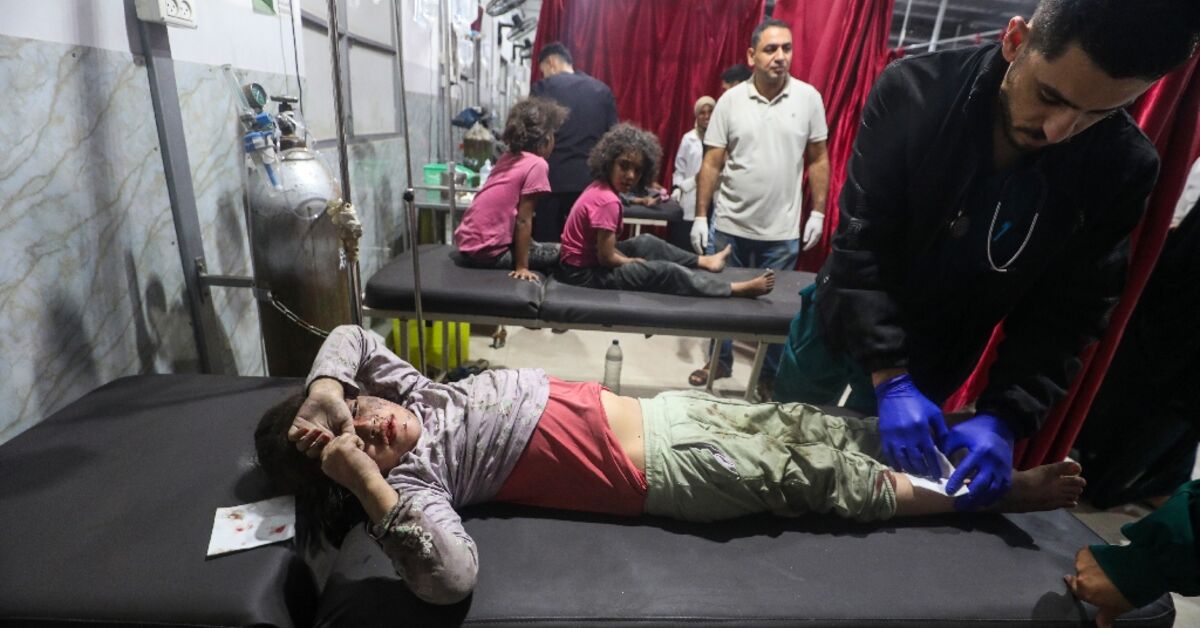
The situation in Gaza continues to deteriorate, placing an immense strain on the already fragile healthcare system. A recent plea from a Doctors Without Borders (MSF) official highlights the urgent need for international intervention, specifically the medical evacuation of Gaza patients. Hundreds have already perished while awaiting permission to receive life-saving treatment abroad, a tragic consequence of the ongoing conflict and restricted access to care. This article delves into the details of this crisis, the challenges faced, and the desperate call for increased support.
أزمة الإخلاء الطبي من غزة: مناشدات عاجلة لفتح الحدود
The official, Hani Isleem, who coordinates medical evacuations for MSF, emphasized the sheer scale of the need. “The need is really huge,” he stated, adding that the number of patients currently being assisted by international aid is “just a drop in the ocean.” While the World Health Organization (WHO) estimates over 8,000 patients have been evacuated since October 7th, 2023, a staggering 16,500 or more remain in dire need of treatment outside the Palestinian territory. This figure, Isleem warns, is likely a significant underestimate.
تقديرات MSF: أرقام أعلى بكثير من المعلن
MSF’s own assessment suggests the actual number of patients requiring evacuation is three to four times higher than the officially registered count. This discrepancy underscores the difficulties in accurately tracking needs amidst the chaos and destruction within Gaza. The organization is working tirelessly to identify and prioritize the most critical cases, but their efforts are hampered by limited resources and bureaucratic obstacles. The lack of adequate healthcare in Gaza is pushing the system to its absolute breaking point.
تباطؤ وتيرة الإخلاء الطبي وتحديات القبول
Despite the efforts of organizations like MSF and the WHO, the pace of medical evacuations has been slowing down alarmingly. Initially, around 1,500 patients were being evacuated each month. However, the closure of the Rafah crossing in May 2024 drastically reduced this number to approximately 70 patients per month. Even the recent ceasefire, brokered by the United States, hasn’t significantly accelerated the process.
Furthermore, while over 30 countries have accepted patients, the distribution is uneven. Egypt and the United Arab Emirates have taken in the largest numbers, while major European nations like France and Germany have, surprisingly, accepted none so far. Italy has been a notable exception, providing care for over 200 patients. This disparity highlights a critical need for broader international responsibility and a more equitable sharing of the burden.
معايير القبول الصارمة: تركيز على الأطفال واستبعاد الحالات الأخرى
A particularly concerning trend is the overwhelming focus on evacuating children. Isleem points out that “99.9 percent of countries are asking for children,” effectively ignoring the urgent needs of adults who also require life-saving medical attention. He emphasizes that three-quarters of those awaiting evacuation are over the age of 18.
Beyond age, governments are imposing other restrictive criteria, such as refusing patients with accompanying family members, and particularly excluding male siblings over 18. This “selection shopping list,” as Isleem describes it, is exacerbating the crisis and delaying crucial care for those who need it most. The need for urgent medical assistance extends to all demographics within Gaza.
ارتفاع عدد الوفيات في انتظار الإخلاء
The consequences of these delays are devastating. More than 900 people have died while waiting for medical evacuation since October 2023, and Isleem believes this number is a conservative estimate. He recounts the harrowing experience of accompanying critically ill and injured children to Switzerland, noting that some required immediate surgery upon arrival to prevent “irreversible damage.” These children, including infants with severe congenital heart disease and cancer patients, represent just a fraction of those facing a desperate race against time.
تحسن طفيف في الموافقات الإسرائيلية لا يزال غير كاف
While there has been a positive shift in Israeli evacuation refusal rates – dropping from around 90% to just 5% in recent months – Isleem stresses that this improvement is insufficient. “They should not ‘block any patients from leaving Gaza to access treatment’,” he asserts. Despite this reduction in refusals, the overall number of evacuations remains critically low, with only 148 carried out in October and 71 last month, and a projected 30 for December. The process remains overly “politicised,” with countries taking an extended period to make decisions and allocate necessary funding. The situation demands a streamlined and depoliticized approach to patient evacuation from Gaza.
مناشدة لفتح الحدود وتوفير الرعاية الطبية الشاملة
Hani Isleem’s plea is a stark reminder of the humanitarian catastrophe unfolding in Gaza. He urges countries to abandon their restrictive criteria and “focus only on the needs and saving people’s lives.” The international community must recognize the urgency of the situation and act decisively to facilitate the swift and unconditional evacuation of all patients requiring medical care outside of Gaza.
The ongoing conflict has created a profound health crisis, and a coordinated, compassionate response is essential to prevent further loss of life. Ignoring the plight of the sick and injured is not only a moral failing but also a missed opportunity to demonstrate global solidarity and commitment to humanitarian principles. The future of countless lives hangs in the balance, dependent on the willingness of nations to open their doors and provide the medical evacuation of Gaza patients they desperately need.


