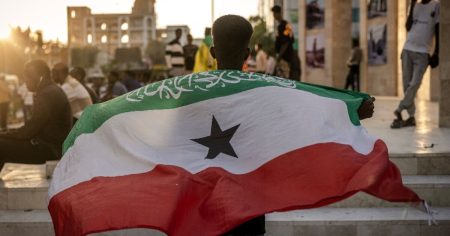


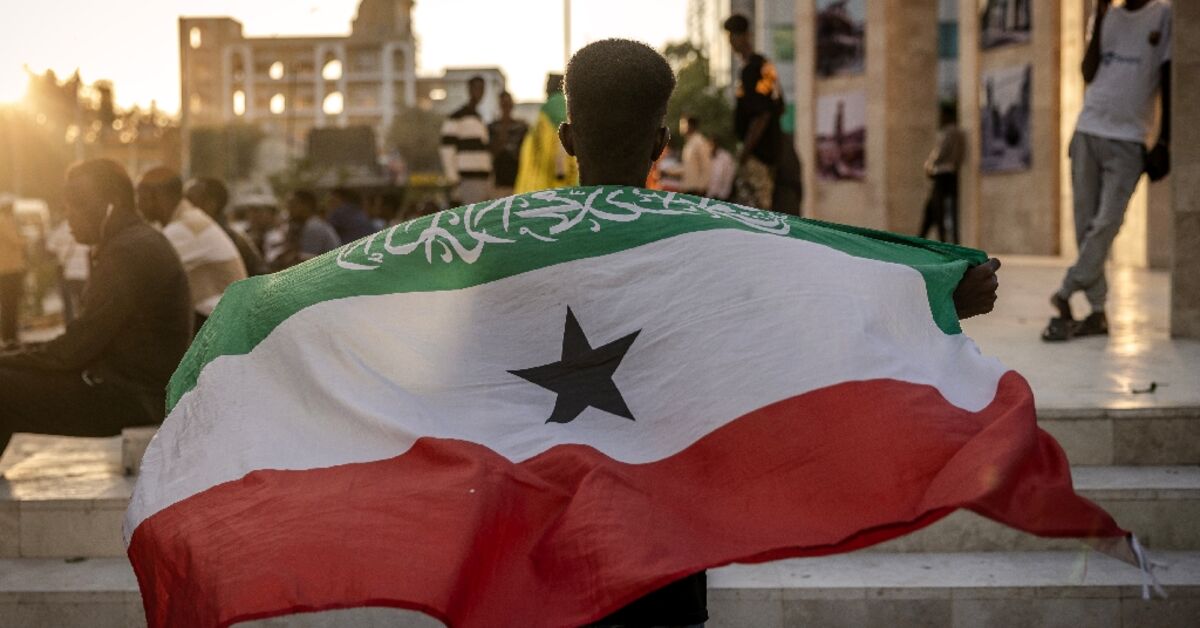
The recent decision by Israel to formally recognize Somaliland as an independent state has ignited a firestorm of diplomatic protest, particularly from Somalia and the African Union. This move, unprecedented in international relations, has thrown the already complex political landscape of the Horn of Africa into further turmoil. The core issue revolves around Somaliland’s independence, a status fiercely contested by Somalia, which views the region as an integral part of its territory. This article will delve into the reactions, motivations, and potential implications of Israel’s recognition, exploring the regional dynamics at play.
Israel Recognizes Somaliland: A Diplomatic Earthquake
On Friday, Israel announced its recognition of Somaliland, a self-declared republic that broke away from Somalia in 1991. This decision marks the first formal acknowledgement of Somaliland’s sovereignty by any internationally recognized country. Israeli officials stated the move was “in the spirit of the Abraham Accords,” signaling a continued effort to forge ties with nations in Africa and the Middle East. Prime Minister Benjamin Netanyahu even extended an invitation to Somaliland President Abdirahman Mohamed Abdullahi for a visit, further solidifying the budding relationship.
However, the response from Somalia was swift and condemnatory. The Somali government labeled Israel’s action a “deliberate attack” on its sovereignty and warned it would destabilize the region. This strong reaction underscores Somalia’s unwavering commitment to maintaining its territorial integrity.
Regional Condemnation and the African Union’s Stance
Somalia wasn’t alone in its disapproval. Several nations voiced their concerns, but the most significant rebuke came from the African Union (AU). The AU firmly rejected Israel’s recognition, emphasizing that Somaliland “remains an integral part” of Somalia, a member state of the Union.
The AU warned that this move could “set a dangerous precedent with far-reaching implications for peace and stability across the continent.” This concern stems from the potential for other separatist movements within Africa to seek similar recognition, potentially leading to increased conflict and fragmentation. Mahamoud Ali Youssouf, the AU’s head, reiterated the organization’s support for Somalia’s unity and territorial integrity.
Turkey, a long-standing ally of Somalia, also strongly condemned the decision, characterizing it as “overt interference” in Somalia’s internal affairs and linking it to Israel’s “expansionist policy.” Egypt joined the chorus of disapproval, with its top diplomat engaging in discussions with counterparts from Turkey, Somalia, and Djibouti to coordinate a unified response.
The Motivations Behind Israel’s Recognition
While presented as a move aligned with the Abraham Accords, Israel’s recognition of Somaliland is likely driven by a complex web of strategic considerations. The region’s location on the Gulf of Aden is of paramount importance, offering potential access and influence in a crucial maritime corridor.
Analysts point to Israel’s growing security concerns in the Red Sea, particularly in light of the recent attacks by Yemen’s Houthi rebels. A paper by the Institute for National Security Studies suggested that Israel “requires allies in the Red Sea region for many strategic reasons, among them the possibility of a future campaign against the Houthis.” Establishing a relationship with Somaliland could provide Israel with a valuable foothold in the region, facilitating potential military or intelligence operations.
Furthermore, Somaliland possesses significant natural resources and offers potential economic opportunities. Netanyahu, in a phone call with President Abdullahi, highlighted these potential economic benefits.
Palestinian Authority’s Opposition and Internal Somali Tensions
The Palestinian Authority also vehemently rejected Israel’s move, accusing Israel of previously considering Somaliland as a potential location for the forced displacement of Palestinians from Gaza. This accusation adds another layer of complexity to the situation, linking it to the ongoing Israeli-Palestinian conflict.
Meanwhile, within Somaliland itself, the reaction has been overwhelmingly positive. Celebrations erupted in Hargeisa, the capital, with residents expressing hope that international recognition will unlock much-needed foreign investment and aid. Somaliland has long struggled with diplomatic isolation, hindering its economic development and access to international financial institutions. The agreement with Ethiopia last year to lease a coastline for a port and military base, though controversial in Somalia, demonstrates Somaliland’s proactive approach to securing its future. This deal, however, further exacerbated tensions with Somalia.
Implications and Future Outlook
Israel’s recognition of Somaliland represents a significant shift in the regional dynamics of the Horn of Africa. While it offers potential benefits to Somaliland, it also risks further destabilizing an already fragile region. The strong opposition from Somalia and the African Union underscores the challenges Somaliland faces in achieving widespread international recognition.
The United States, despite inquiries, has stated it does not plan to follow suit, with former President Trump questioning the very existence of Somaliland in the public eye. The future of this new relationship remains uncertain, heavily dependent on the evolving political landscape and the broader context of regional security. The situation highlights the delicate balance between national sovereignty, regional stability, and strategic alliances in a rapidly changing world. Continued dialogue and a commitment to peaceful resolution will be crucial in navigating the complexities that lie ahead.