


Syria stands at a pivotal moment, marking the first anniversary of a dramatic shift in power that ended the 54-year rule of the Assad family. While official celebrations are planned across the country, particularly in Damascus, the nation continues to grapple with the immense challenges of rebuilding and achieving lasting stability after years of devastating conflict. This anniversary isn’t merely a date on the calendar; it represents a complex period of transition, marked by both hope and persistent difficulties for the Syrian people. The mood is cautiously optimistic as Syrians assess the changes under the new leadership of President Ahmed al-Sharaa and the prospects for a brighter future, even as sectarian tensions and humanitarian crises linger.
## A Year Since the Overthrow of Bashar al-Assad
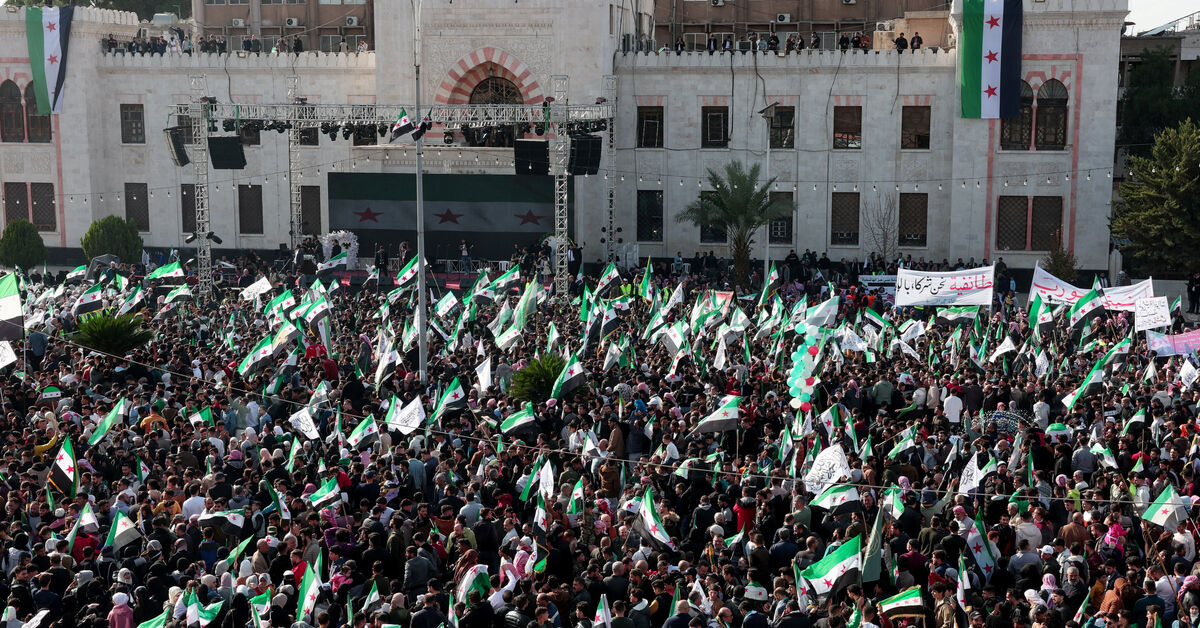
The events of December 8th, a year ago, forever altered the political landscape of Syria. As rebels, ultimately led by Ahmed al-Sharaa, took control of Damascus, Bashar al-Assad was forced to flee to Russia, bringing an end to over 13 years of war sparked by the initial uprising against his governance. The fall of Damascus signified a turning point, initially met with widespread jubilation and scenes of celebration, filling the streets with citizens eager for change.
These celebrations, observed across various regions, underscored a collective desire for a new beginning. Notably, thousands gathered in Hama, proudly waving the nation’s new flag, commemorating the city’s capture by insurgent forces during the swift advance towards the capital. However, this joy is tempered by the realities of a country deeply scarred by war and internal division.
## Shifting Alliances and Economic Recovery
President al-Sharaa has swiftly and significantly reshaped Syria’s foreign policy. Departing from the staunch alliances of the Assad era, particularly with Iran and Russia, his government has actively pursued closer relations with the United States and garnered support from Gulf Arab states. This strategic realignment has been instrumental in the lifting of crippling Western sanctions, providing a much-needed boost to the Syrian economy.
The initial signs of economic recovery are visible. Governor of the Central Bank stated recently that the return of approximately 1.5 million refugees is contributing to economic growth. However, rebuilding an economy shattered by years of war is a herculean task, and sustained recovery hinges on continued international support and the successful reintegration of displaced populations. The Syrian economy will need constant monitoring for further developments.
## Challenges to Unity and Regional Autonomy
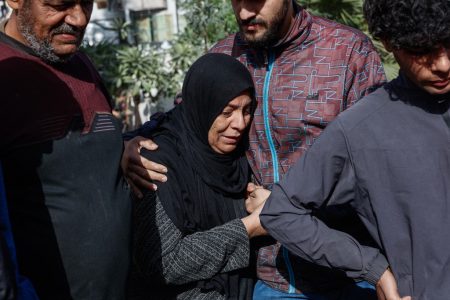
Despite Sharaa’s promises of an inclusive and just order and his calls for national unity, significant challenges remain. Hundreds of lives have been lost in outbreaks of sectarian violence, leading to further displacement and exacerbating existing distrust, particularly amongst minority groups wary of the new government.
The path towards unifying Syria is complicated by competing regional interests. The Kurdish-led administration in the northeast, while congratulating Syrians on the anniversary, has prohibited public gatherings due to heightened security concerns, citing threats from “terror cells.” This reflects the administration’s determination to safeguard its regional autonomy.
Similarly, in the south, members of the Druze community – an offshoot of Islam – are voicing demands for increased independence, adding another layer of complexity to the nation’s political structure. These diverse demands highlight the need for a delicate balancing act in forging a unified national identity. This situation concerning regional stability requires ongoing diplomatic efforts.
## The Path Forward: Transition and Accountability
In a recent forum held in Qatar, President Sharaa confidently declared that “Syria today is living its best times,” acknowledging the ongoing violence but expressing optimism for the future. He affirmed his commitment to a four-year transitional period, during which his government will focus on establishing robust institutions, enacting new laws, and crafting a constitution, ultimately to be ratified by public referendum. Following this transition, the country plans to hold free and fair elections.
Sharaa also emphasized the importance of accountability for those responsible for the atrocities committed during the years of conflict. This pledge to address past wrongs is crucial for fostering reconciliation and building a society based on justice and the rule of law. Achieving true national reconciliation is paramount, but it can only succeed with transparency and a commitment to addressing the grievances of all Syrians.
## Ongoing Humanitarian Needs
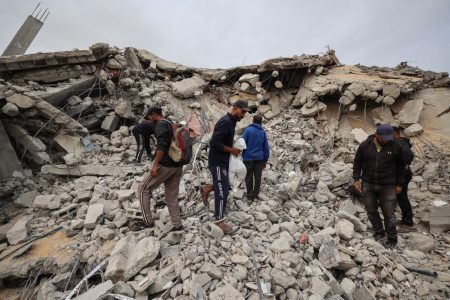
While progress is being made, the humanitarian situation across Syria remains dire. The United Nations Office for the Coordination of Humanitarian Affairs estimates that around 16.5 million people will require aid in 2025, highlighting the vast scale of the suffering and the ongoing need for international assistance. Providing adequate support to these vulnerable populations is not just a moral imperative, but also essential for laying the foundation for long-term stability.
The first anniversary of the overthrow of Bashar al-Assad is a moment for reflection and renewed commitment to building a better Syrian future. The road ahead will undoubtedly be fraught with challenges, but the resilience and determination of the Syrian people, coupled with continued international support and a steadfast focus on unity, accountability, and humanitarian aid, offer a glimmer of hope for a peaceful and prosperous Syria. The successful establishment of lasting peace will require a multifaceted approach encompassing political, economic, and social reforms.