






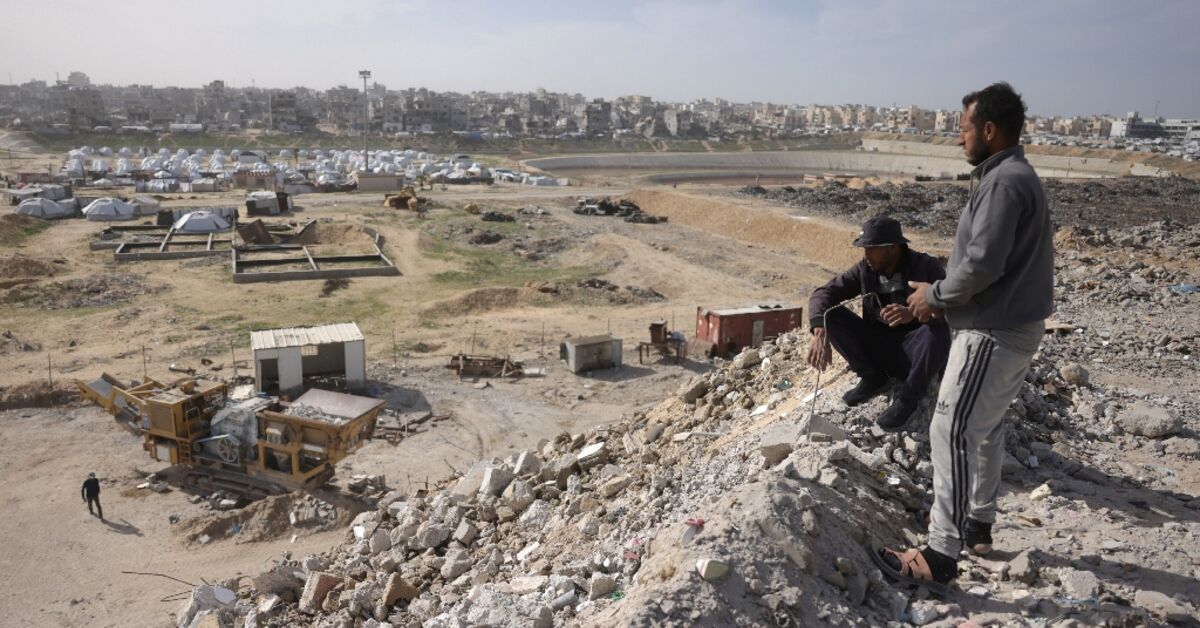
The relentless bombardment of Khan Yunis in southern Gaza continues to inflict unimaginable suffering on its residents, leaving families trapped between the dangers of ongoing conflict and the despair of displacement. Umm Ahmed’s story, a heartbreaking echo of countless others, encapsulates the agonizing reality faced by Palestinians in the region. Her desperate plea – “Where can we go?” – resonates with a community stripped of safety and hope, highlighting the urgent need for a lasting solution to the crisis in Gaza bombardment.
تصاعد القصف في خان يونس: معاناة مستمرة وتهديد بالنزوح (Escalating Bombardment in Khan Yunis: Ongoing Suffering and Threat of Displacement)
Recent Israeli strikes have shattered the fragile peace that followed a temporary ceasefire, particularly impacting areas near the so-called Yellow Line east of Khan Yunis. This demarcation, established under the truce agreement with Hamas, is now a focal point of fear for residents who have already endured immense hardship. For over two years, tens of thousands of Gazans have been living in tents or severely damaged homes in these areas, subject to Israeli military control and frequent checkpoint restrictions.
The current escalation has reignited the specter of forced displacement, pushing families towards the already overcrowded areas west of the Yellow Line. Umm Ahmed, a 40-year-old mother, vividly describes the terror that grips her family each night. “We don’t sleep at night because of fear. The bombardments in the east are relentless,” she says. “My children tremble at every explosion and ask me, ‘Where can we go?’ And I have no answer.”
حياة بين الأنقاض والتهجير: قصة أم أحمد (Life Between Rubble and Displacement: Umm Ahmed’s Story)
Despite the complete destruction of her home in Bani Suheila, Umm Ahmed and her family remain, choosing to live in a tent erected beside the ruins. This decision, born not of resilience but of desperation, reflects a common sentiment among those affected: the perceived ease of enduring hardship in a familiar place outweighs the uncertainties of seeking refuge elsewhere.
However, the situation in Al-Mawasi, the area west of Khan Yunis where many displaced people have sought shelter, is far from ideal. Umm Ahmed explains, “There is no place left for anyone there, and not enough food or water.” The humanitarian crisis in Gaza is deepening, with limited resources stretched to breaking point, making even the prospect of displacement a terrifying ordeal. The lack of adequate shelter, food, and medical supplies is exacerbating the suffering of those already vulnerable. This ongoing humanitarian crisis in Gaza demands immediate international attention.
الخطوط الحمراء المتغيرة: ما هي “الخط الأصفر”؟ (Changing Red Lines: What is the “Yellow Line”?)
The Yellow Line, initially intended as a buffer zone under the ceasefire, is increasingly viewed as a de facto border by Israeli officials. Lieutenant General Eyal Zamir, the Israeli army chief, recently described it as the “new border,” emphasizing its role as a “forward defensive line” for Israeli communities and a zone for military operations.
This redefinition of the line is deeply concerning for Palestinian authorities, who see it as a deliberate tactic to intimidate residents and facilitate their permanent displacement. Alaa al-Batta, the mayor of Khan Yunis, condemns the bombardments as “violations of the ceasefire agreement” and asserts that the objective is to “frighten residents, expel them from their areas, and force them west.” The implications of this shifting boundary are profound, potentially altering the demographic landscape of Gaza and further restricting the movement and lives of Palestinians. The situation highlights the complex geopolitical factors contributing to the Gaza conflict.
استمرار القصف وتدهور الأوضاع: شهادات من الميدان (Continued Bombardment and Deteriorating Conditions: Testimonies from the Field)
The reality on the ground, as described by residents like Mahmud Baraka from Khuzaa, is one of constant fear and destruction. “It feels like we are still living in a war zone,” he says. “Explosions happen as if they are right next to us. The objective of the occupation is clear: to intimidate us and drive us out, so the region is emptied.” Reports of artillery fire and home demolitions are commonplace, creating an atmosphere of unrelenting terror.
Despite the overwhelming danger, some residents, like 70-year-old Abdel Hamid, refuse to leave their homes. Living with his five children north of Khan Yunis, he declares, “We will not leave… this is our land.” He acknowledges that moving is not a solution, but rather “yet another tragedy.” This unwavering determination to remain rooted in their ancestral lands underscores the deep connection Palestinians have to their homes and the profound sense of loss associated with displacement.
نحو حل مستدام: الحاجة إلى وقف إطلاق النار وحماية المدنيين (Towards a Sustainable Solution: The Need for a Ceasefire and Civilian Protection)
The situation in Khan Yunis, and throughout Gaza, is unsustainable. The ongoing Gaza bombardment is not only causing immense human suffering but also undermining any prospects for a lasting peace. A comprehensive ceasefire, coupled with robust international mechanisms to protect civilians and ensure the delivery of humanitarian aid, is urgently needed.
The international community must exert greater pressure on all parties to de-escalate the conflict and prioritize the well-being of the civilian population. Ignoring the plight of Gazans will only perpetuate the cycle of violence and despair. Umm Ahmed’s unanswered question – “Where can we go?” – is a stark reminder of the human cost of this conflict and the moral imperative to find a just and lasting resolution. The future of Gaza, and the safety of its people, hangs in the balance.


