






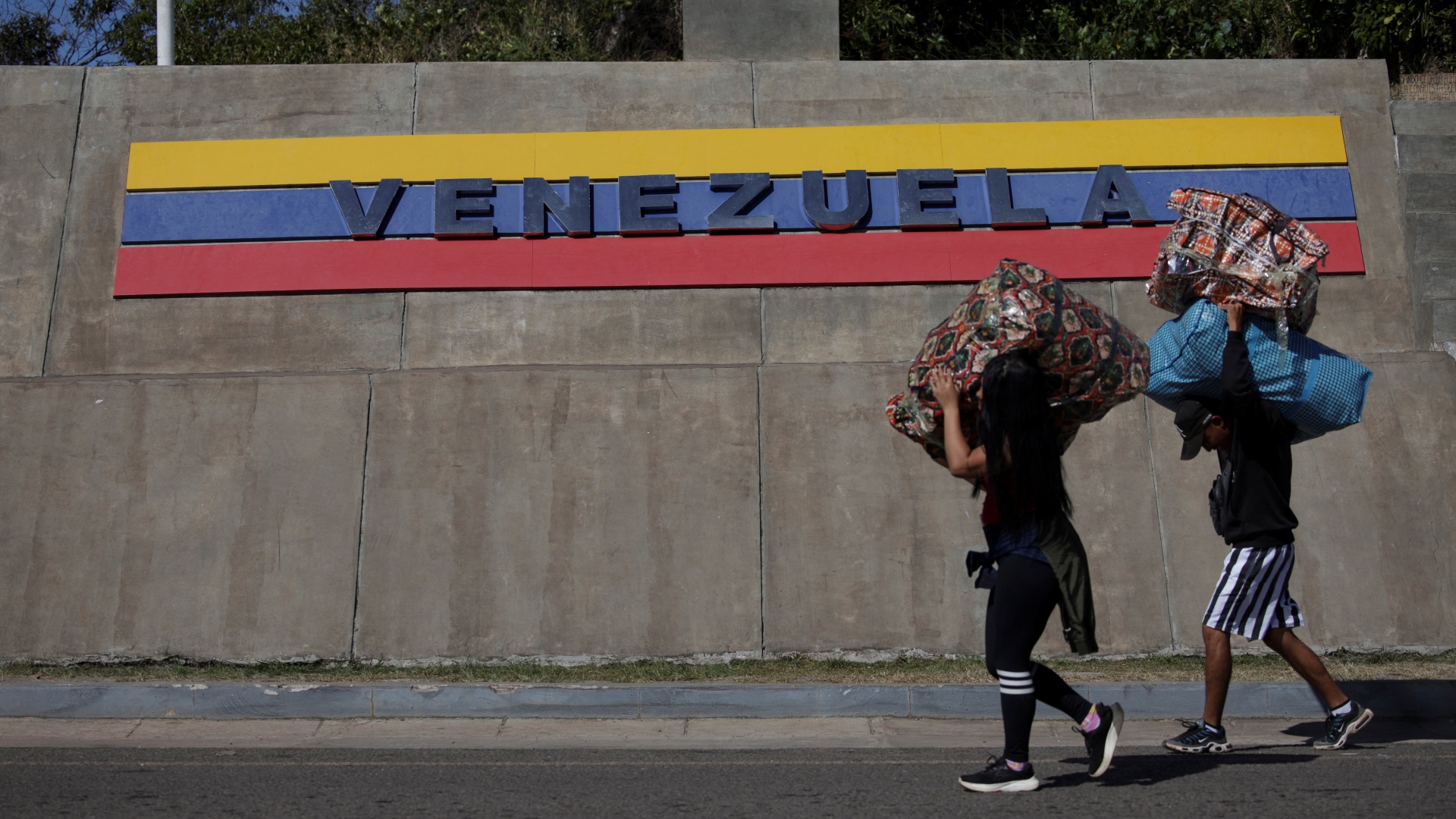
The recent dramatic events unfolding in Venezuela, including the reported abduction of President Nicolás Maduro and subsequent military actions, have sparked a flurry of analysis regarding the Trump administration’s motivations and the potential consequences. Experts are increasingly questioning whether the initial show of force – lauded by some as decisive – is giving way to a complex and ill-prepared nation-building endeavor, a path the administration had previously vowed to avoid. This assessment comes amid concerns about strategic miscalculations, international law violations, and a potentially destabilizing impact on the region and beyond. The core of the issue appears to be a gap between the theatrical execution of removing Maduro, and any coherent post-intervention plan, leading many to wonder about the true objectives behind this drastic action.
Venezuela Intervention: A Theatrical Operation Leading to Uncertainties
The operation, described as “stunning” by sources, involved US special forces extracting Maduro from Caracas alongside airstrikes targeting key military installations. While no American lives were lost, reports indicate approximately eighty Venezuelan security personnel and civilians were killed. Maduro and his wife are now facing trial in New York on federal charges, pleading not guilty. However, beyond the initial capture, a significant lack of strategic foresight is becoming apparent, leaving the US potentially bogged down in a protracted and resource-intensive engagement. The events raise serious questions about the US’s role in regional affairs and its commitment to international norms.
Doubts About Strategic Rationale & The Oil Factor
Several analysts point to a troubling lack of logical justification for the intervention. John Mearsheimer, a prominent political scientist from the University of Chicago, posited a stark comparison: “If you’re talking about Narco-terrorism or narcotics coming into the United States, you ought to invade and capture the leader of Mexico before you capture the leader of Venezuela.” This highlights the questionable targeting of Venezuela as a source of threats to the US, when more immediate and substantial dangers exist closer to home.
The frequently cited rationale of securing Venezuela’s vast oil reserves is also being scrutinized. Curt Mills, Executive Director of The American Conservative, argues that the situation isn’t about acquiring oil, but rather a “simulated war for oil.” He elaborated, stating, “There’s no real plan to get this stuff online… The United States has taken Maduro. It hasn’t taken the oil.” With global oil prices historically low, and no clear pathway for the US to rapidly exploit Venezuelan resources, the economic justification appears flimsy. This reinforces the idea that the intervention was more about projecting power than securing tangible gains.
Nation-Building & Potential Regional Instability
Perhaps the most glaring contradiction lies in the administration’s commitment to nation-building. Trump had repeatedly criticized such endeavors, yet the situation in Venezuela is rapidly evolving into exactly that. As Mearsheimer pointed out, this diverts resources and attention from other pressing priorities, both domestic and international.
Moreover, the intervention risks sparking wider regional instability. The involvement of countries like Russia and China – both strong allies of Venezuela – introduces further geopolitical complexities. Both nations have vocally condemned the abduction of Maduro, viewing it as a blatant violation of sovereignty. This creates a potentially dangerous standoff, as these powers could attempt to counter US influence in the region. This is leading to significant concerns about escalating tensions and potential proxy conflicts.
The Role of Marco Rubio and Shifting Alliances
The administration appears to be relying heavily on Secretary of State Marco Rubio, a long-time advocate for regime change in Venezuela and Cuba, to oversee the transition. This raises questions about the extent of pre-planning and the influence of specific ideological agendas.
Surprisingly, Trump seems to have sidelined Venezuelan opposition leader Maria Corina Machado, suggesting she lacks sufficient support within key Venezuelan institutions. This demonstrates a pragmatic, albeit unpredictable, approach, prioritizing control over simply supporting an alternative leader.
The newly appointed interim leader, Delcy Rodriguez, has surprisingly adopted a conciliatory tone, offering cooperation with the US. Whether this is genuine or a strategic maneuver remains to be seen.
Concerns for Europe, NATO & Future Interventions
The intervention also casts a shadow over US relations with its European allies. The “utter silence” from Europe, as noted by Professor Miguel Tinker Salas, signals a concerning level of acquiescence or fear of repercussions from the Trump administration.
The potential for this pattern to repeat itself in other Latin American nations – Nicaragua, Panama, and even renewed discussion about Greenland – is causing alarm. Salas questioned the US military’s willingness to be used as an “empire-building instrument” across the hemisphere, especially given current global commitments, including the ongoing situation in Ukraine (though Mearsheimer believes this intervention wouldn’t drastically impact Moscow’s focus).
Furthermore, the situation raises fundamental questions about the future of NATO. Denmark’s pointed warning that US annexation of Greenland would effectively end their participation in the alliance underscores the fragility of transatlantic ties under the current administration. The apparent willingness to disregard established alliances in pursuit of unilateral action is deeply unsettling to many observers.
A Rogue Operation? The Long-Term Outlook for Venezuela
The overall impression left by the intervention is one of impulsiveness and a lack of strategic depth. Mills characterized the administration’s actions as those of a leader “addicted to these sort of special operations,” while Salas termed it “the spectacle of empire” – a performance driven by ego rather than a well-defined plan. Mearsheimer went further, suggesting the Trump administration operates as a “rogue operation,” effectively transforming the United States into a “rogue state.”
The situation in Venezuela remains fluid and fraught with uncertainty. The US has taken possession of a leader, but not a plan, nor the oil resources it seemingly sought. The lack of international support and the potential for prolonged instability suggest this intervention, initially portrayed as a decisive victory, may ultimately prove to be a costly and strategically misguided endeavor. The coming months will be crucial in determining whether the US can navigate this crisis without further jeopardizing its global standing or triggering a wider regional conflict.


