






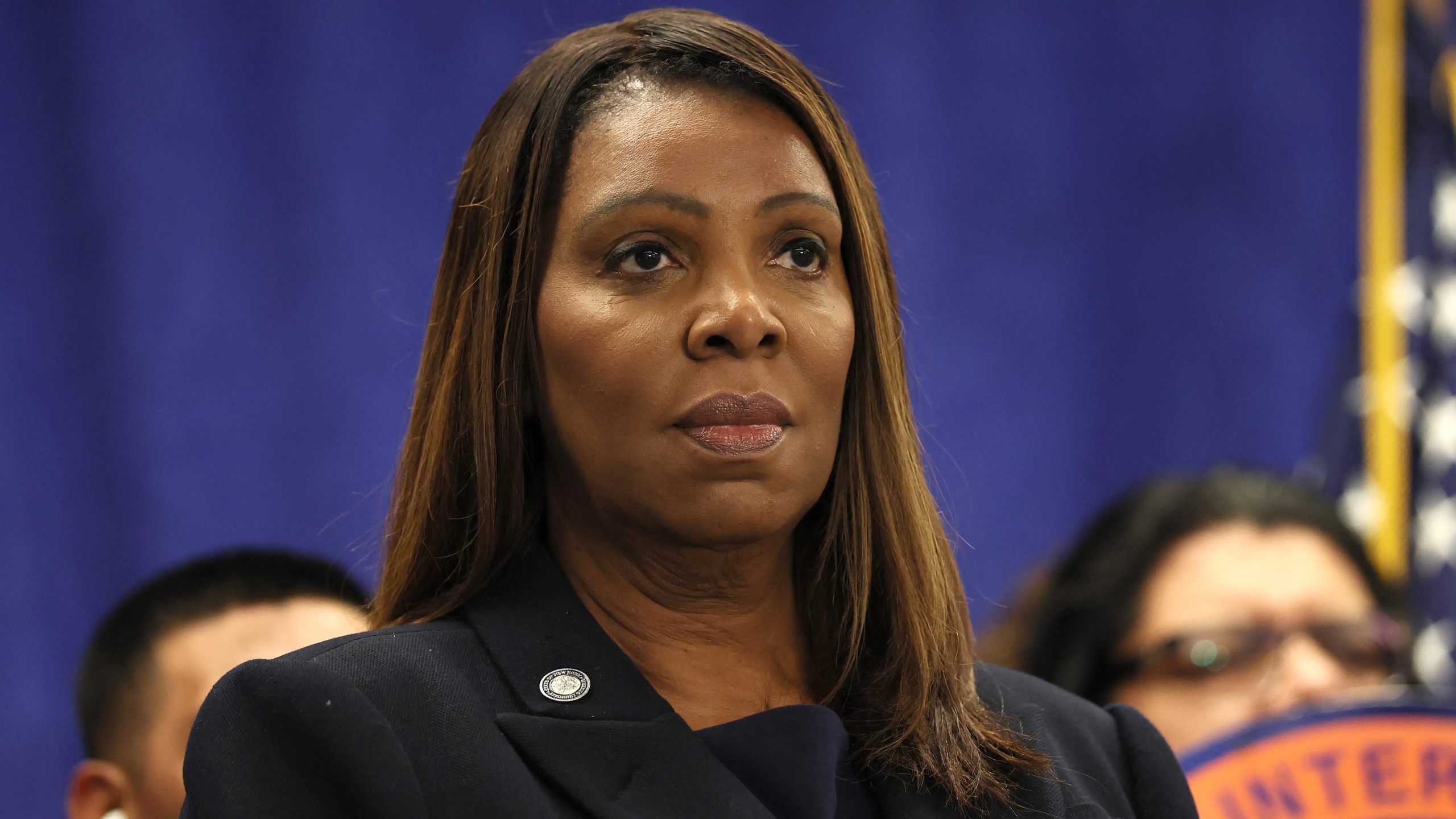
The New York State Attorney General’s office has secured a significant victory against extremist activity, forcing the dissolution of Betar USA, a far-right Jewish-American group. This follows a comprehensive investigation revealing a pattern of harassment, intimidation, and the promotion of violence targeting individuals based on their religious and ethnic beliefs, particularly those supporting the Palestinian cause. The group’s activities included providing names of pro-Palestinian activists to the Trump administration, raising serious concerns about political targeting and civil liberties.
التحقيق في أنشطة بيتار الولايات المتحدة: تفاصيل مثيرة للقلق
The Office of the Attorney General (OAG), led by Letitia James, launched its investigation in March and quickly uncovered disturbing evidence. The investigation demonstrated that Betar USA, an affiliate of the international Betar organization, repeatedly targeted individuals identified as Muslim, Arab, Palestinian, and even Jewish New Yorkers who held differing views.
“New York will not tolerate organizations that use fear, violence, and intimidation to silence free expression or target people because of who they are,” James stated firmly on the OAG’s website. “My office’s investigation uncovered an alarming and illegal pattern of bias-motivated harassment and violence designed to terrorize communities and shut down lawful protest. This behavior is unacceptable, and it is not who we are as New Yorkers.”
The OAG’s findings detailed multiple instances of physical intimidation and assault perpetrated by individuals linked to Betar. Specifically, members were found to be repeatedly targeting individuals perceived as pro-Palestinian, attempting to attach “beepers” to them – a deeply unsettling act referencing a past Israeli operation in Lebanon that utilized exploding pagers, causing civilian deaths. This tactic was clearly intended to instill fear and terrorize those targeted.
تهديدات مباشرة للمدافعين عن فلسطين
The investigation also revealed that Betar members threatened academics with sustained harassment and even threatened to visit individuals at their homes. This escalation of intimidation tactics highlights the group’s willingness to cross legal and ethical boundaries in pursuit of its agenda. The group’s actions represent a clear attempt to stifle dissent and silence legitimate political expression.
التحريض على العنف والدعم اللوجستي
Beyond harassment, the OAG found that Betar USA actively promoted and encouraged violence. Members were urged to bring weapons – including knives, pepper spray, and even attack dogs – to protests. Furthermore, the group openly celebrated acts of violence committed by its affiliates.
A particularly egregious incident involved a member of Betar’s national leadership physically assaulting a woman wearing a keffiyeh, a traditional Palestinian scarf. The group then shared video footage of the assault with its followers, effectively condoning and glorifying the act. This brazen display of aggression underscores the dangerous ideology driving the organization.
تسوية وشروط الانسحاب من نيويورك
Facing mounting evidence, Betar agreed to a legally binding settlement with the OAG. The agreement permanently prohibits Betar from inciting or encouraging violence, physically assaulting or threatening individuals, harassing protesters, or damaging property based on protected characteristics.
As part of the settlement, Betar will also pay a suspended penalty of $50,000, which will be enforced if the group violates the terms of the agreement. Critically, Betar USA will dissolve its not-for-profit corporation and cease all operations within New York State. The OAG also discovered that the group had been soliciting donations without properly registering as a charity, further compounding its legal violations.
من هي منظمة بيتار؟ جذور تاريخية وأيديولوجية متطرفة
Understanding the context of Betar USA requires examining its origins. The organization was originally founded in 1929 and describes itself as “loud, proud, aggressive and unapologetically Zionist.” However, its rhetoric and actions extend beyond mainstream Zionist views, actively targeting both pro-Palestinian activists and elements within the broader Jewish-American community it deems insufficiently supportive of its hardline stance.
The group’s website explicitly states: “We aren’t the nice, polite Jews, we are the loud, proud Zionists. We are online and offline and we are direct, clear and proud Betarim.”
The US chapter experienced a revival in June 2023, reportedly spearheaded by Israeli-American entrepreneur Ronn Torossian, a known donor to the Trump campaign, and Congressman Ritchie Torres. It officially became a US tax-exempt nonprofit in July 2024. While claiming chapters in several cities, including New Orleans, Dallas, and Washington D.C., the exact number of members remains unclear. Financial transparency is also lacking, with the group’s funding sources largely unknown beyond a GoFundMe link on its website.
تاريخ من التطرف والعنف
Betar’s history is deeply intertwined with the far-right wing of the Zionist movement. Founded by Ze’ev Jabotinsky in 1923, the organization – whose formal name is Brit Yosef Trumpeldor – was known for its militant tactics. Its own website acknowledges that its members “were active instigators of disturbances and violence, frequently bombing Arab civilian areas in response to attacks and waging guerrilla warfare against the British.”
This legacy of violence continued as Betar integrated into the Irgun, a Zionist paramilitary group that played a controversial role in the 1948 Arab-Israeli War, a period Palestinians refer to as the Nakba (catastrophe). While some Zionist factions opposed Betar’s extremist methods, the group has produced several prominent figures in Israeli politics, including former Prime Minister Menachem Begin. This historical context is crucial to understanding the current iteration of Betar USA and its dangerous ideology.
The dissolution of Betar USA in New York represents a vital step in protecting civil rights and combating extremism. It serves as a powerful reminder that intimidation and violence have no place in a democratic society and that those who attempt to silence dissent will be held accountable. Further investigation into the group’s activities and funding sources is warranted to ensure that its harmful ideology does not simply resurface under a different guise. The case highlights the importance of vigilance and proactive measures to safeguard freedom of expression and protect vulnerable communities from hate-motivated attacks.


