






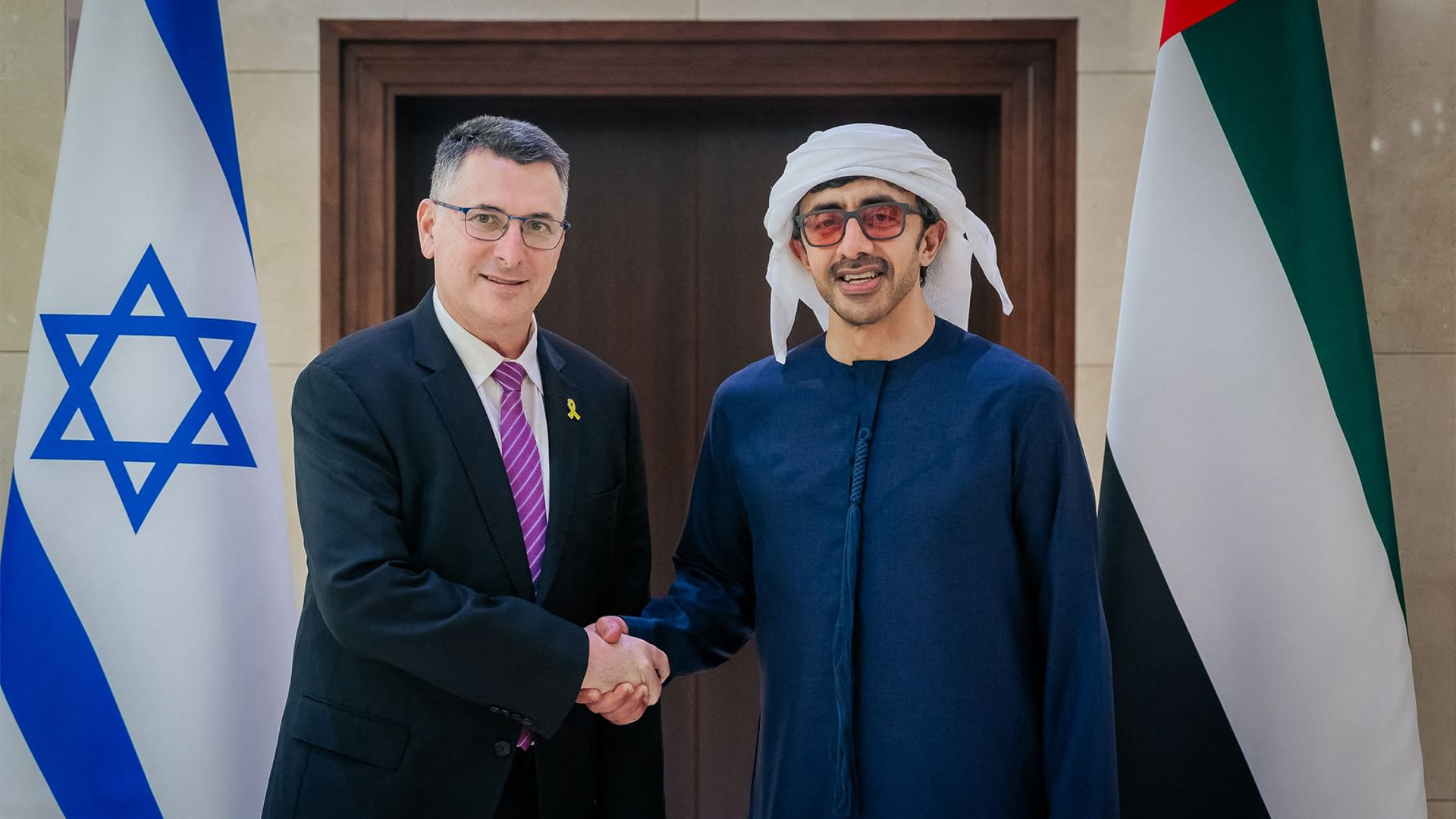
The pursuit of “normalisation” with Israel has been a cornerstone of US policy in the Arab world for decades, framed as a path to regional stability. However, a closer examination reveals a strategy deeply rooted in containing Palestinian aspirations and solidifying Israel’s regional dominance, often at the expense of genuine peace and justice. This policy, accelerated in recent years, aims to encircle the Palestinians with allies, effectively isolating them and diminishing any external support for their legitimate rights. The current situation, particularly in light of the ongoing genocide in Gaza, demands a critical reassessment of this approach and its devastating consequences.
تاريخ التطبيع: من أوسلو إلى اتفاقيات إبراهيم (History of Normalisation: From Oslo to the Abraham Accords)
The seeds of this policy were sown with the 1993 Oslo I Accord, a pivotal moment that fundamentally altered the nature of the Palestinian struggle. Rather than fostering liberation, Oslo transformed the Palestine Liberation Organization (PLO) into a subcontractor for Israel’s occupation, confining Palestinian self-governance within the occupied territories themselves. This was a deliberate containment strategy, intended to quell Palestinian resistance. When that resistance persisted, culminating in the October 2023 Al-Aqsa Flood operation, the US didn’t reconsider its approach; it doubled down.
The 2020 Abraham Accords marked a significant escalation. Normalisation efforts expanded beyond traditional Arab states to include Muslim-majority countries with no prior history of conflict with Israel. Even Kazakhstan, already maintaining “full diplomatic relations” with Israel, was formally welcomed into the Accords by the Trump administration in November. Reports also suggest Indonesia, which does not currently have diplomatic ties, is considering normalisation. This broadening scope coincides with stalled Arab peace initiatives, particularly concerning Saudi Arabia, and the brief, ultimately unsustainable, overtures made by Libya’s foreign minister in August 2023, before the full horror of the Gaza slaughter unfolded.
جذور التطبيع في الفكر الصهيوني (Roots of Normalisation in Zionist Thought)
The US-led push for normalisation didn’t emerge in a vacuum. It has deep roots in Zionist ideology, articulated long before it became a formal US policy. As early as the 1920s, the Zionist Organization recognized the difficulty of securing Arab endorsement for its project in Palestine. Their solution, as outlined in their internal discussions, was to seek support from Arab states further afield – Syria, Iraq, Saudi Arabia, and Egypt.
Today, it appears Israel is steadily achieving this endorsement, not just from Palestinian leaders, but from across the Arab and Muslim world. This pursuit of regional acceptance, even at the cost of Palestinian rights, reveals a consistent pattern in Zionist strategy.
رؤى جابوتنسكي: المال والمساعدة السياسية (Jabotinsky’s Vision: Money and Political Assistance)
Vladimir Jabotinsky, a prominent Revisionist Zionist leader, articulated a cynical view of Arab states in the 1920s. He believed that to extinguish their hopes of defeating Zionism, they needed to be offered something of equal value. He identified two potential offerings: money or political assistance.
Jabotinsky underestimated the complexities of Arab politics, believing they were solely driven by anti-colonial sentiment. He reasoned that Zionists lacked the funds for substantial financial incentives and were unwilling to support anti-colonial movements, fearing it would jeopardize their relationship with Britain and France. He failed to grasp that political assistance – bolstering existing imperial powers to safeguard the thrones of friendly Arab regimes – was a far more viable and appealing option. This miscalculation highlights a long-standing tendency to misread the dynamics of power within the Arab world.
نتائج التطبيع: نظرة تاريخية (Outcomes of Normalisation: A Historical Perspective)
Unlike Jabotinsky’s initial skepticism, both Israel and figures like former US President Donald Trump understand the inevitability of normalisation with Arab states, including Saudi Arabia. Proponents of normalisation within the Arab world argue that closer ties will allow them to exert pressure on Israel to address Palestinian grievances and end the occupation of territories seized in 1967. They also claim it will foster regional stability and economic prosperity.
However, the historical record paints a starkly different picture. Fifty years of normalisation have yielded catastrophes, wars, expanded colonisation, persistent resistance, and, most recently, genocide.
حالة منظمة التحرير الفلسطينية (The PLO Case)
The early attempts at dialogue between the PLO and Israel, between 1973 and 1977, demonstrate this pattern. The PLO offered clandestine plans for a state in the West Bank and Gaza, even relinquishing claims to territory within Israel, hoping to be seen as “moderate” enough for negotiations. These proposals were rejected outright by then-Israeli Prime Minister Yitzhak Rabin.
اتفاقيات كامب ديفيد والانفصال (Camp David Accords and Separation)
The Camp David Accords, brokered by the US in 1978, epitomize the dangers of separate settlements. Egyptian President Anwar Sadat’s solo initiative, bypassing the PLO and other Arab states, allowed Israel to dictate terms and prioritize its own interests. Egypt was subsequently ostracized by the Arab League, and Israel used the resulting strategic shift to launch further invasions of Lebanon, demonstrating that concessions were met not with reciprocity, but with aggression.
استمرار الاحتلال والتوسع (Continued Occupation and Expansion)
Even as Israel negotiated with Egypt, it intensified its settlement program in the occupied territories, altering the demographic landscape and undermining any prospect of a just resolution. This pattern – welcoming Arab concessions while refusing to concede any rights to Palestinians – has persisted. The recent bombing of Syria and Lebanon, despite their attempts at normalisation, serves as a chilling reminder of this reality.
التطبيع كمنح حصانة لإسرائيل (Normalisation as Granting Impunity to Israel)
The Abraham Accords have, in effect, granted Israel impunity to act with increasing brutality towards the Palestinians, culminating in the current genocide in Gaza. The Arab signatories, and others pursuing normalisation, have reportedly deepened their relations with Israel even as the atrocities unfolded.
Despite the disastrous historical consequences, the illusion that normalisation will bring stability and peace continues to be perpetuated. Israel’s actions – bombing Qatar, attacking Syria and Lebanon, and continuing its occupation – belie this narrative. The idea that collaboration will extinguish Palestinian resistance has proven demonstrably false.
The pursuit of normalisation, therefore, is not a path to peace, but a strategy to consolidate Israeli power and perpetuate the oppression of the Palestinian people. It’s a policy that demands critical scrutiny and a fundamental reassessment in light of its consistent failure to deliver on its promises.


