






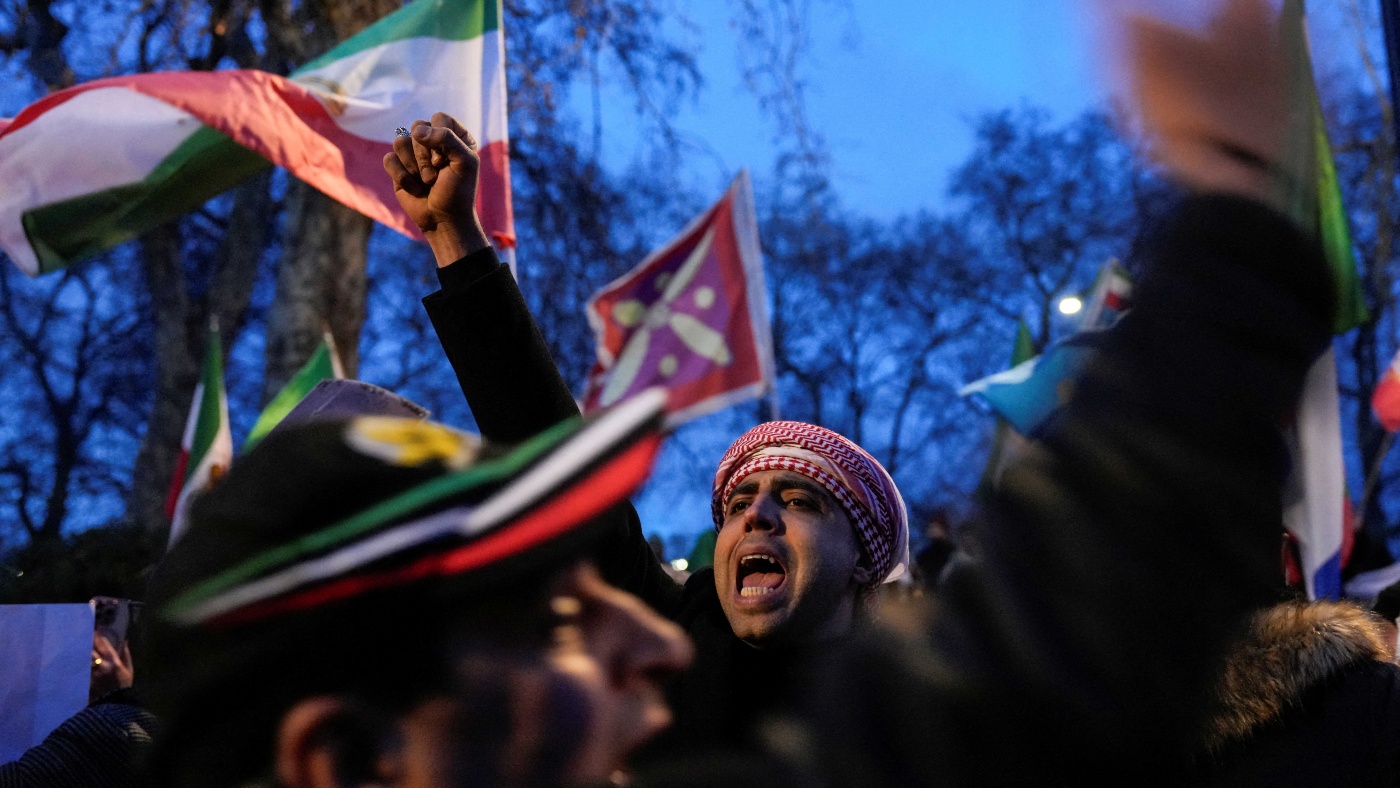
The escalating unrest in Iran has sparked a volatile situation, with warnings issued by Iranian officials of potential strikes against Israel and US military bases should their territory be attacked. The protests, now entering their third week, began over economic grievances but swiftly transformed into a widespread challenge to the Islamic Republic. Reports indicate a significant death toll, estimated at over 192 individuals, according to Iran Human Rights, further intensifying international concern and raising fears of a broader conflict. This article will delve into the key developments surrounding the Iran protests, the threats made, and the responses from global powers.
Intensifying Protests and Rising Death Toll
The current wave of demonstrations represents the largest challenge to the Iranian government in over three years. Initially triggered by rising inflation and economic hardship – a familiar cry amongst many Iranians – the protests quickly gained political momentum, fueled by a deep-seated frustration with the ruling clerical establishment. Despite a widespread internet blackout imposed by Iranian authorities for over 60 hours, aimed at suppressing information and coordinating dissent, videos continue to emerge showcasing large gatherings in major cities like Tehran and Mashhad. These videos depict scenes of increasing defiance, with some showing vehicles ablaze.
However, verification of information is extremely difficult due to the digital restrictions. Iran Human Rights, a Norway-based NGO, has warned that the actual number of fatalities “may be even more extensive than we currently imagine.” Simultaneously, the US-based Center for Human Rights in Iran reports “eyewitness accounts and credible reports indicating that hundreds of protesters have been killed.” Hospitals are reportedly overwhelmed, facing critical shortages of both staff and blood supplies, and disturbing reports accuse security forces of deliberately targeting protesters’ eyes with gunfire.
Iran’s Stern Warning and Potential Retaliation
Amidst the internal turmoil, Iranian officials have issued increasingly forceful warnings. Mohammad Baqer Qalibaf, the Speaker of Iran’s Parliament, explicitly stated that in the event of an attack on Iran, “the occupied territories [Israel] as well as all US bases and ships will be our legitimate target.” This declaration, made by a former commander in the Islamic Revolutionary Guard Corps, reflects the gravity of the situation and raises the specter of regional escalation.
This isn’t an isolated threat. President Masoud Pezeshkian has accused the US and Israel of attempting to destabilize Iran by “sowing chaos and disorder” through orchestrating “riots.” He urged Iranians to distance themselves from what he labelled “rioters and terrorists.” These accusations are crucial in understanding the narrative being crafted by the Iranian government to justify its crackdown on protesters and potentially mobilize support.
International Reactions and Growing Concerns
The international community is closely monitoring the unfolding crisis. US President Donald Trump has threatened intervention, warning Iranian leaders against using force on protesters and offering “to help” – a statement posted on his social media platform, Truth Social. Simultaneously, talks between Israeli Prime Minister Benjamin Netanyahu and US Secretary of State Marco Rubio reportedly discussed the possibility of US involvement in Iran.
Israel, itself, is on high alert. Sources within Israeli security, who participated in recent consultations, confirmed an elevated state of readiness, though specific details remain undisclosed. Netanyahu has publicly warned of “horrible consequences” for Iran should it attack Israel, while cautiously observing the developments within the country.
A senior US intelligence official described the situation as an “endurance game,” suggesting a strategic approach focused on waiting for internal pressures to either lead to the collapse of the government or force concessions. This perspective highlights the complex calculations influencing international policy towards Iran. The situation is increasingly complex; the political instability in Iran is creating a dangerous and unpredictable environment.
The Role of Security Forces and Internal Divisions
The Iranian government’s response has been overwhelmingly forceful, deploying security forces to suppress the demonstrations. State television has broadcast funeral processions for security personnel killed during the protests, reporting that dozens more will be laid to rest in central Isfahan. Ali Larijani, Iran’s security chief, attempted to differentiate between legitimate economic grievances and “riots,” framing the latter as akin to “methods of terrorist groups.”
However, the reported scale of violence against protesters is undermining this narrative and fueling further discontent. According to HRANA, a US-based NGO, at least 37 members of the security forces have also lost their lives. This suggests resistance from protesters is widespread and, while uneven, is proving costly to the authorities. The challenge for the Iranian regime is to quell the uprising without triggering a response that invites external intervention.
Trump’s Outreach and Speculation of US Strategy
Interestingly, reports indicate a somewhat detached interaction between Trump and Reza Pahlavi, the son of the former Shah of Iran. This has sparked speculation about a potential US strategy mirroring the “Venezuela model” – supporting figures attempting to organize a transition of power from within, rather than outright military intervention. This approach emphasizes prolonged pressure and leveraging internal opposition forces. This strategy relies heavily on maintaining the internet blackout in Iran to prevent opposition coordination, a tactic that is also drawing international condemnation.
In conclusion, the Iran protests represent a pivotal moment for the country and the region. The combination of a brutal crackdown, increasingly bellicose rhetoric from Iranian officials, and heightened international alert levels creates a highly volatile situation. While external powers weigh their options, the fate of Iran ultimately rests with its people and the internal dynamics within the Islamic Republic. The next few days and weeks will be crucial in determining whether this burgeoning uprising can lead to meaningful change, or whether it will be violently suppressed, potentially igniting a wider conflict. Continued monitoring of the situation and a focus on protecting human rights remain paramount.


