






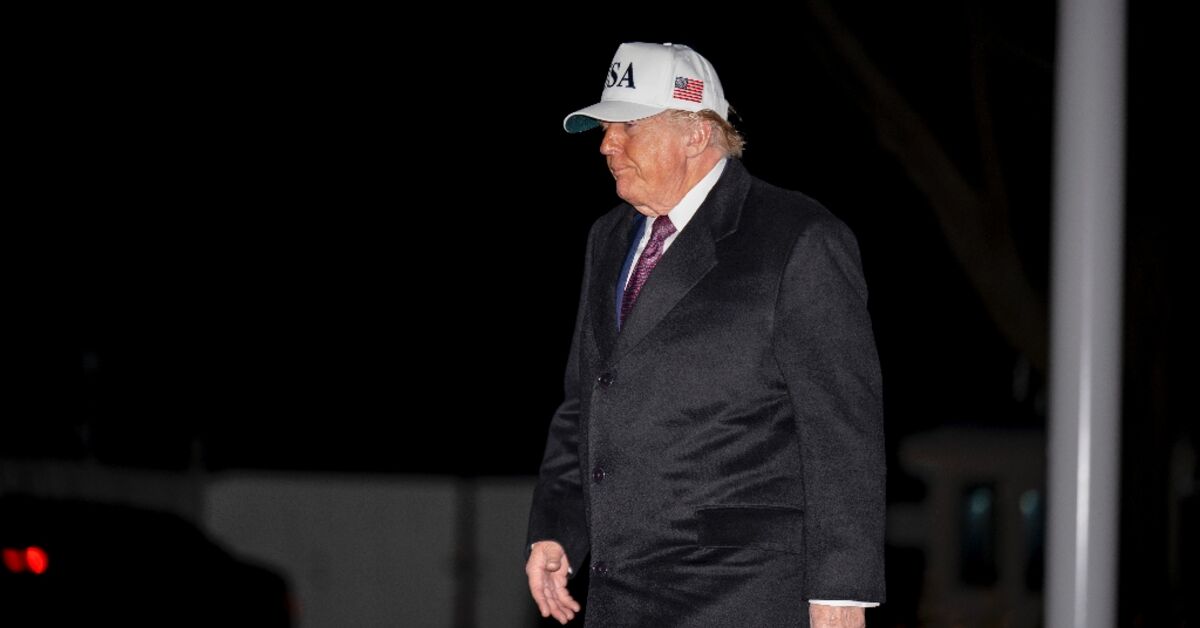
The situation in Iran remains volatile, with ongoing protests challenging the authority of the Islamic Republic. US President Donald Trump faces a complex decision regarding potential intervention, weighing a spectrum of options ranging from minimal action to full-scale military engagement. The core question facing Trump is defining his ultimate objective in Iran, as this will dictate the appropriate course of action. Ten days after declaring the US “locked and loaded” and ready to “come to the rescue” of Iranian protestors, Trump continues to hint at military options, despite reports of hundreds of deaths at the hands of Iranian security forces. This article will explore the potential paths forward for the US, the risks and benefits of each, and the factors influencing Trump’s decision-making process regarding Iran intervention.
The Historical Context and Stakes of Iran Intervention
Iran and the United States have been adversaries since the 1979 Islamic Revolution, which ousted the pro-Western Shah. A collapse of the current Iranian regime would fundamentally reshape the geopolitical landscape of the Middle East. However, Trump has previously expressed skepticism about “regime change” initiatives, citing the challenges and unintended consequences of US involvement in Iraq. This hesitancy stems from a recognition that even a smaller country like Iraq proved difficult to stabilize following intervention.
Currently, the US is employing economic pressure, recently announcing 25% tariffs on Iran’s trading partners. Furthermore, discussions are underway regarding methods to restore internet access, which has been deliberately shut down by the Iranian government to suppress dissent. Interestingly, communication channels remain open between the two governments, facilitated by Trump’s envoy, Steve Witkoff.
Pressure from Within and Outside: Influencing Trump’s Decision
The calls for US support are coming from multiple directions. Reza Pahlavi, the son of the late Shah currently in exile in the US, has publicly urged Trump to avoid repeating what he perceives as the mistakes of the Obama administration, which hesitated to fully support the 2009 protests. Pahlavi argues that a stronger stance now could galvanize the protest movement.
Experts are divided on the relevance of Obama’s concerns today. Some believe the current demonstrations have broadened beyond the traditional circles of opposition, making the risk of co-opting a homegrown movement less significant. Ray Takeyh, a senior fellow at the Council on Foreign Relations, suggests targeting key Iranian forces, such as the Revolutionary Guards, who are leading the crackdown. He believes this could embolden protestors and sway those currently on the sidelines. Sanam Vakil, director of the Middle East and North Africa program at Chatham House, agrees that US intervention could provide momentum, but cautions it could also backfire, strengthening the regime’s resolve and leading to further repression.
The Spectrum of Potential Actions: From Symbolic Strikes to Full Engagement
Trump reportedly considered military strikes against Iranian nuclear sites in June, at the behest of Israel. This demonstrates a willingness to consider direct military action, even if framed as a limited response. His inclination towards “one-off” military operations, as seen in Venezuela, suggests he might favor a quick, decisive strike intended to project strength.
However, the scale of the protests – spanning 130 to 150 Iranian cities – presents a significant challenge. Vali Nasr, a professor at Johns Hopkins, points out that targeting security forces across such a vast area would require more than just a few airstrikes. Trump may, therefore, opt for a “performative strike” – a limited action designed to signal resolve without escalating into a full-blown conflict.
Risks and Considerations: Avoiding Unintended Consequences
A key concern is the potential for unintended consequences. Behnam Ben Taleblu, a research fellow at the Foundation for Defense of Democracies, argues the risk isn’t necessarily that Iranians will rally around the flag, but that they will be too afraid to continue protesting. Poor targeting or intelligence could disperse protestors, undermining the movement. Conversely, inaction would be equally damaging, reinforcing the regime’s narrative that the US is unable or unwilling to provide meaningful support. This highlights the delicate balance Trump must strike. The potential for escalating tensions and a wider regional conflict is a constant factor in evaluating any foreign policy in Iran.
The Role of Diplomacy and Alternative Paths
While some, including Pahlavi and Republican hawks, oppose diplomacy, believing it would only prolong the regime’s lifespan, others see it as a viable path forward. Mohammad Ali Shabani, editor of Amwaj.media, suggests that many Iranians would welcome a deal that eases sanctions and reduces the threat of war. He believes this would outweigh any short-term benefits to the Islamic Republic, as most Iranians recognize its long-term unsustainability. This perspective underscores the importance of considering all available options, including diplomatic solutions, when formulating a strategy for Iran policy.
In conclusion, President Trump faces a critical juncture in US-Iran relations. The decision regarding Iran intervention is fraught with risk and uncertainty. Balancing the desire to support Iranian protestors with the potential for escalation and unintended consequences requires careful consideration of the historical context, the diverse perspectives of experts, and the potential for both military and diplomatic solutions. Ultimately, Trump’s choice will be determined by his overarching goal for Iran – whether it’s regime change, containment, or a negotiated settlement – and his willingness to accept the associated risks. The coming days will be crucial in shaping the future of Iran and the broader Middle East.


