






The recent actions taken by the United States under President Donald Trump regarding Venezuela and potential future moves concerning Greenland are raising significant international eyebrows. From the forceful abduction of Venezuelan President Nicolás Maduro to the renewed discussion of acquiring Greenland, and now the seizure of oil tankers, the administration’s assertive foreign policy is dominating headlines. This article will delve into the details of these developments, focusing on the potential for military intervention and the broader implications for US foreign policy.
Venezuela: A Dramatic Shift in US Policy
The weekend saw an unprecedented event: US special forces reportedly abducted Venezuelan President Nicolás Maduro from Caracas. This operation was accompanied by airstrikes targeting key military installations across the country. While the White House claims no US personnel were harmed, reports indicate approximately 80 security forces and civilians lost their lives. Maduro and his wife are now facing trial in New York, having pleaded not guilty to all charges.
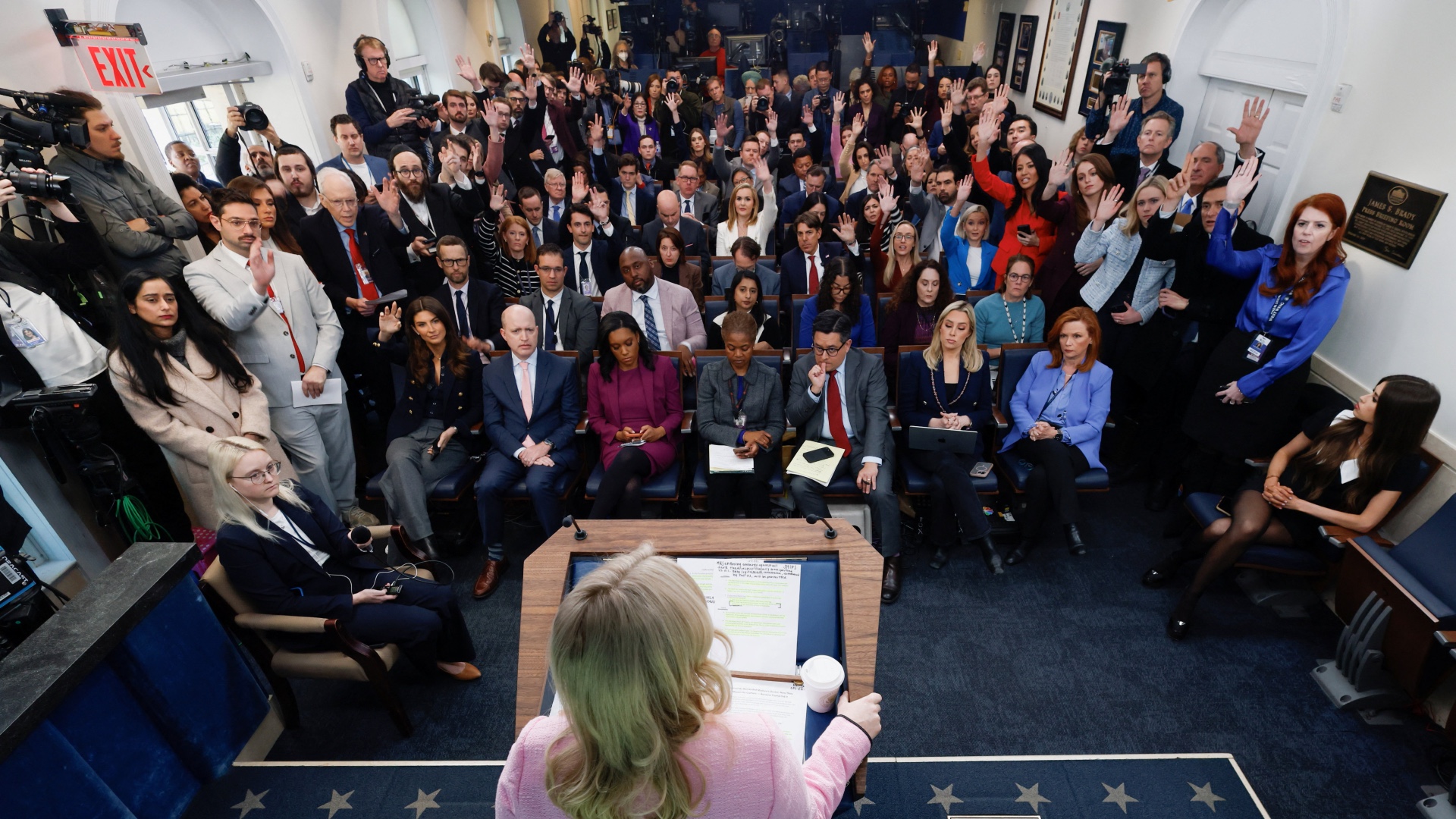
White House Press Secretary Karoline Leavitt defended the operation, stating that it was a “law enforcement operation” authorized after diplomatic efforts with Maduro, whom she described as an “illegitimate dictator and an unserious person,” failed. She emphasized that the President “reserves the right to use the United States military if necessary,” but framed this as a last resort. This highlights a clear willingness to employ forceful measures when the administration deems diplomacy ineffective.
The Oil Gambit and Sanctions Enforcement
Beyond the capture of Maduro, the US is aggressively pursuing its interests in Venezuelan oil. Secretary of State Marco Rubio reportedly discussed with lawmakers the demand that Venezuela’s interim leadership sever ties with China, Russia, Iran, and Cuba in exchange for lifting oil sanctions. Leavitt, while avoiding direct confirmation of the briefing details, asserted the US commitment to “American dominance” in the Western Hemisphere.
This commitment is being demonstrated through the seizure of oil tankers. The “Bella 1” and “Sofia,” both described as “stateless, dark fleet” vessels, were intercepted while attempting to violate US sanctions on Venezuelan oil. The crews are potentially facing prosecution under US federal law. The US government is actively marketing the seized Venezuelan crude oil and managing proceeds through US-controlled bank accounts, intending to benefit both American and Venezuelan citizens. This aggressive sanctions enforcement, coupled with the seizure of assets, represents a significant escalation in the US approach to Venezuela.
The Greenland Question: A Revived Pursuit
Simultaneously, President Trump has reignited his interest in acquiring Greenland from Denmark. This isn’t a new idea, with historical precedents dating back to the 1800s, but the current context is particularly sensitive. Leavitt stated the acquisition is viewed as advantageous for US national security, specifically to “deter Russian and Chinese aggression in the Arctic region.”
However, several European officials have signaled strong opposition, warning that such a move would be a “red line.” While publicly maintaining the possibility of forceful acquisition, the administration, through Rubio, has suggested the threats are intended to pressure Denmark into negotiations. This tactic, while controversial, underscores the administration’s willingness to employ unconventional methods to achieve its foreign policy goals. The potential for international conflict over Greenland remains a concern.
Implications of a “Swashbuckling” Approach
The common thread running through these events is a decidedly assertive, and some would say, aggressive foreign policy. Leavitt’s comments about “American dominance” and the willingness to consider military force reflect a departure from traditional diplomatic norms. The administration appears to be prioritizing a demonstration of strength and a proactive defense of US interests.
This “swashbuckling” attitude, as some analysts have termed it, is not without risks. It could further destabilize the region, damage relationships with key allies, and potentially escalate tensions with global powers like Russia and China. The legality and morality of the Venezuelan operation are also being widely questioned.
Furthermore, the effectiveness of this approach remains to be seen. While the administration touts the success of the Venezuelan operation, the long-term consequences for the country and the region are uncertain. Similarly, whether Denmark will be swayed by pressure tactics regarding Greenland is far from guaranteed. The reliance on forceful measures could ultimately hinder the US’s ability to achieve its objectives through sustainable diplomatic solutions.
Conclusion
The recent developments concerning Venezuela and Greenland demonstrate a clear shift in US foreign policy under President Trump. The willingness to consider military intervention, enforce sanctions aggressively, and employ unconventional negotiation tactics signals a departure from traditional diplomacy. While the administration argues these actions are necessary to protect US interests and deter adversaries, they also carry significant risks and raise concerns about international stability. The world is watching closely to see how this assertive approach will unfold and what its long-term implications will be. Readers are encouraged to follow further developments and engage in discussions about the future of US foreign policy and its impact on the global stage.


