






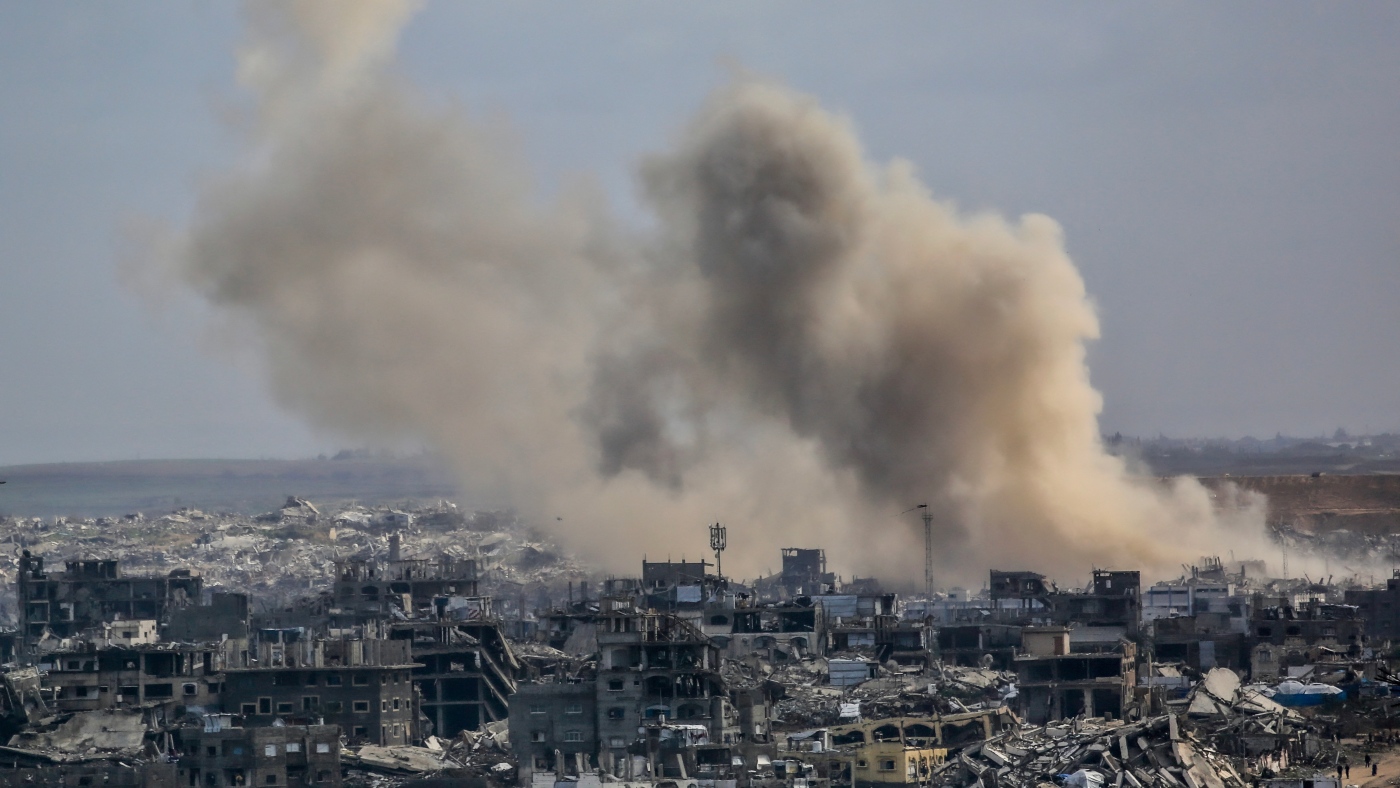
The situation in Gaza remains deeply volatile as reports emerge of renewed Israeli offensive plans, despite ongoing ceasefire negotiations. According to the Times of Israel, citing officials, the Israeli military is preparing for an operation in March aimed at expanding its control over territory within the Gaza Strip and pushing the demarcation line – known as the Yellow Line – further west towards the coastal areas. This development casts a shadow over the fragile truce reached in October 2025 and raises serious concerns about the future of the region and the humanitarian crisis unfolding there. The ongoing conflict and potential escalation are undoubtedly key factors influencing the situation in Gaza.
Details of the Planned Israeli Offensive
The proposed offensive, reportedly focused on Gaza City, would build on the areas already under Israeli control. Following the ceasefire brokered by the US on October 10, 2025, Israeli forces had already withdrawn to the Yellow Line, a move that effectively granted them control over approximately 53% of the Gaza Strip. This current plan suggests a further expansion of this control, fueling concerns of territorial annexation.
An Arab diplomat, quoted in the Times of Israel report, attributed the offensive preparation to what Israel perceives as Hamas’s failure to disarm. This justification, however, is met with skepticism given the ongoing violations attributed to Israeli forces. However, it’s essential to understand the context of these accusations – both sides have regularly challenged the implementation and adherence to the ceasefire terms.
Hamas’s Response and Ceasefire Violations
Hamas has publicly signaled a willingness to facilitate a transition of power in Gaza, announcing a “clear decision to dissolve the governmental bodies that manage affairs in the Gaza Strip and hand them over to the technocratic committee.” This move is intended to address international concerns about governance within the enclave and potentially ease the path toward a more stable future.
Despite the ceasefire and purported progress towards a second phase – which includes a proposed international stabilisation force – Hamas accuses Israel of systematic violations. These include continued air strikes, shelling, and the demolition of homes. According to Hamas, there have been nearly 1,200 violations in the three months since the ceasefire, resulting in the deaths of 439 Palestinians. They have urgently called on mediators and guarantor nations to condemn these actions, labeling Israeli Prime Minister Benjamin Netanyahu a “war criminal.” These accusations contribute to the worsening Gaza conflict.
Obstacles to the Stabilisation Force & International Concerns
Adding another layer of complexity, a key component of the US-backed plan—the establishment of an international stabilisation force—is facing opposition. Israeli Prime Minister Netanyahu has reportedly voiced strong objections to Turkey’s participation, a stance that has subsequently discouraged other potential contributing nations, including Azerbaijan, Pakistan, Saudi Arabia, and Indonesia, from offering their support.
This reluctance significantly jeopardizes the prospect of a robust and effective stabilisation force, leading to concerns about a prolonged period of insecurity and instability in the region. The international community, including Arab and European countries, is increasingly demanding “sustainable, predictable and unrestricted” access for rights groups to monitor the situation and provide crucial assistance.
The Deepening Humanitarian Crisis in Gaza
The humanitarian situation in Gaza continues to deteriorate at an alarming rate. Since October 7, 2023, the Palestinian health ministry reports that Israeli forces have killed over 71,400 Palestinians, a horrific toll that includes at least 20,000 children.
Thousands remain missing, trapped beneath the rubble of destroyed buildings. Rescue services are severely hampered by a lack of heavy equipment and challenging weather conditions. The UN agency for Palestinian refugees (Unrwa) has repeatedly warned that the ongoing crisis is exacerbating an already dire situation, particularly with recent flooding and the collapse of shelters putting vulnerable families at heightened risk.
Storm Byron, according to a December report by the Shelter Cluster, impacted approximately 65,000 families, leaving over a million people in urgent need of emergency shelter. Philippe Lazzarini, head of Unrwa, emphasized that aid deliveries “are still not at scale,” with critical supplies like waterproof tents scarce and many facing deprivation. Furthermore, the ongoing Israeli blockade, which restricts access through border crossings and limits humanitarian aid, is contributing significantly to the crisis.
Aid organizations are facing increasing restrictions, with Israel recently announcing a ban on their operations in the territory. Doctors Without Borders warned that losing access could cut off essential care to hundreds of thousands of Palestinians. The blockage of aid exacerbates the existing struggling conditions in Gaza.
The Path Forward
The reported plans for a renewed Israeli offensive in Gaza represent a serious setback for peace efforts and raise the specter of further violence and human suffering. The international community must urgently intensify diplomatic pressure on all parties to adhere to the ceasefire agreement, address the underlying causes of the conflict, and prioritize the needs of the civilian population.
Addressing the root causes of the instability, securing sustained humanitarian access, and fostering a genuine commitment to a long-term political solution are essential to prevent another cycle of violence and offer a glimmer of hope for a just and lasting peace in the region. The failure to do so risks condemning Gaza to a continued state of crisis and despair.


