






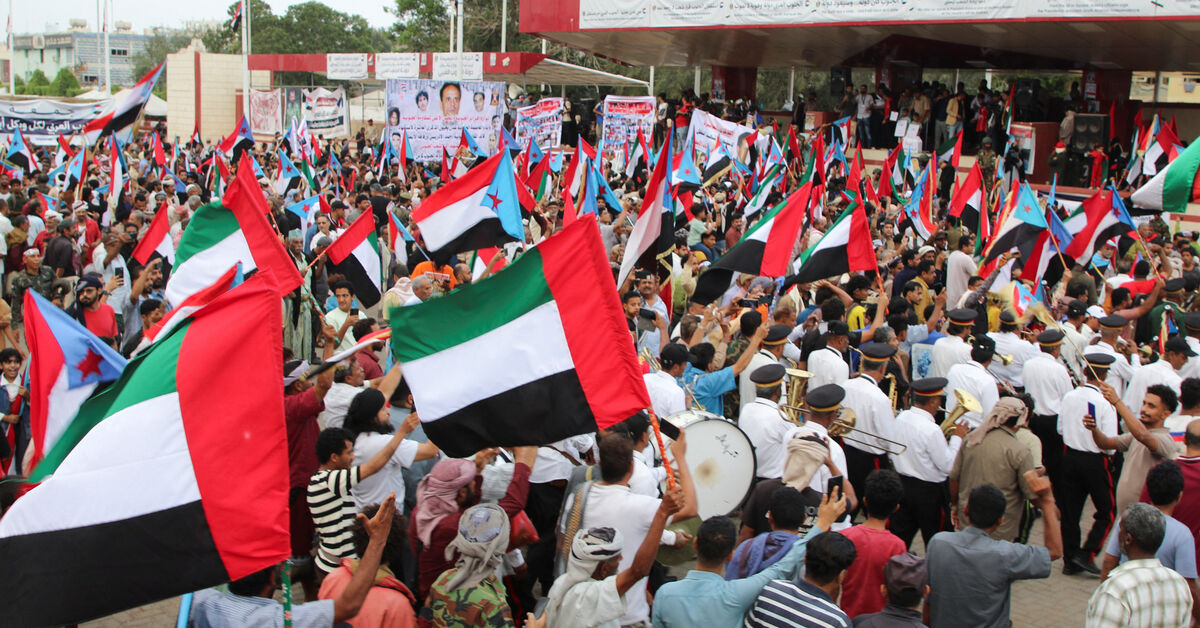
The recent escalation in Yemen, marked by a Saudi-led coalition airstrike and subsequent withdrawal of Emirati forces, has brought simmering tensions between Saudi Arabia and the United Arab Emirates to the surface. This crisis isn’t simply about the conflict in Yemen; it’s a symptom of deeper, long-standing disagreements regarding regional influence, economic policy, and geopolitical strategy. Understanding the dynamics of this Saudi-UAE relationship is crucial for comprehending the future of the Gulf region and the ongoing war in Yemen.
The Spark: Mukalla Airstrike and Emirati Withdrawal
The immediate trigger for the current crisis was a surprise airstrike by the Saudi-led coalition on the port city of Mukalla in southern Yemen. This action, occurring early Tuesday, prompted calls for the complete withdrawal of UAE forces from the country. Riyadh justified the strike with a firm statement emphasizing that its national security constitutes a “red line.”
The UAE responded with surprise, publicly stating it was unprepared for the attack. Shortly after, an announcement came confirming the withdrawal of remaining Emirati troops, citing safety concerns. This rapid sequence of events underscores the lack of coordination and growing distrust between the two allies. The incident highlights a critical breakdown in communication, despite ongoing attempts at dialogue.
Years of Underlying Divisions in Yemen
The tensions didn’t emerge overnight. The situation in Yemen has long been a point of contention, revealing deeper fissures between Saudi Arabia and the UAE. While both nations are part of the coalition supporting the internationally-recognized Yemeni government against the Iran-aligned Houthi movement, their approaches and objectives have diverged significantly.
The Rise of the Southern Transitional Council (STC)
A key factor in the current crisis is the advance of the UAE-backed Southern Transitional Council (STC) in early December. The STC swiftly seized control of large areas of southern Yemen, including strategically important regions like Hadramout province. This move, while strengthening the UAE’s position, directly challenged the authority of the Saudi-backed government and brought the STC close to the Saudi border – a region with significant cultural and historical ties to Saudi Arabia.
The STC’s actions effectively created a parallel power structure within the anti-Houthi coalition, complicating efforts to achieve a unified political solution. They have repeatedly rejected calls for withdrawal from occupied territories, insisting on securing Hadramout and Mahra provinces. This defiance further strained relations with Saudi Arabia.
Beyond Yemen: Sudan and Geopolitical Competition
The conflict in Yemen isn’t the sole source of friction. The Gulf Cooperation Council (GCC), traditionally a symbol of regional unity, is experiencing increasing strain as Saudi Arabia and the UAE pursue competing agendas. One particularly sensitive area is Sudan.
Reports suggest a miscommunication stemming from a November meeting between Saudi Crown Prince Mohammed bin Salman and U.S. President Donald Trump regarding the Sudanese conflict. A Gulf source revealed that the UAE leadership believed the Crown Prince had requested not only sanctions against the Rapid Support Forces (RSF) but also direct sanctions against the UAE itself, due to alleged support for the group. While the UAE denies backing either side in the Sudanese civil war, these accusations have fueled resentment.
The UAE’s involvement in Sudan, and its perceived competition with Saudi Arabia for influence in the region, has become a major point of contention. Both countries are actively involved in diplomatic efforts to resolve the Sudanese crisis through the Quad group (Saudi Arabia, Egypt, the U.S., and the UAE), but their underlying interests appear to diverge. This competition extends to other areas, including energy policy and investment strategies.
The Impact on Regional Stability and Oil Markets
A prolonged and escalating dispute between Saudi Arabia and the UAE would have significant repercussions for the entire Gulf region. The GCC’s ability to present a united front on critical issues would be severely compromised, potentially emboldening regional rivals like Iran.
Furthermore, disagreements between the two economic powerhouses could disrupt consensus on OPEC+ oil production decisions. Both nations are major oil producers, and their cooperation is essential for maintaining stability in global energy markets. A breakdown in this cooperation could lead to price volatility and economic uncertainty.
A Path Forward: Dialogue and Shared Interests
Despite the current tensions, analysts believe a complete rupture in the Saudi-UAE relationship is unlikely. As Emirati academic Abdulkhaleq Abdullah stated, “Allies clash… But they mend their differences and build on what they have in common.” Both countries recognize the importance of maintaining a degree of cooperation, particularly in the face of shared security threats.
Diplomatic advisor to the UAE president, Anwar Gargash, emphasized the need for dialogue and political solutions to preserve alliances. While the situation remains fragile, ongoing high-level talks, including phone calls between Saudi and Emirati leaders, suggest a willingness to de-escalate.
Ultimately, the future of the relationship hinges on both sides acknowledging and addressing the underlying causes of distrust. Finding common ground on issues like Yemen, Sudan, and regional security will be crucial for restoring stability and ensuring the continued prosperity of the Gulf region. The need for a unified Gulf front is paramount, especially in navigating the complexities of the broader Middle East.


