






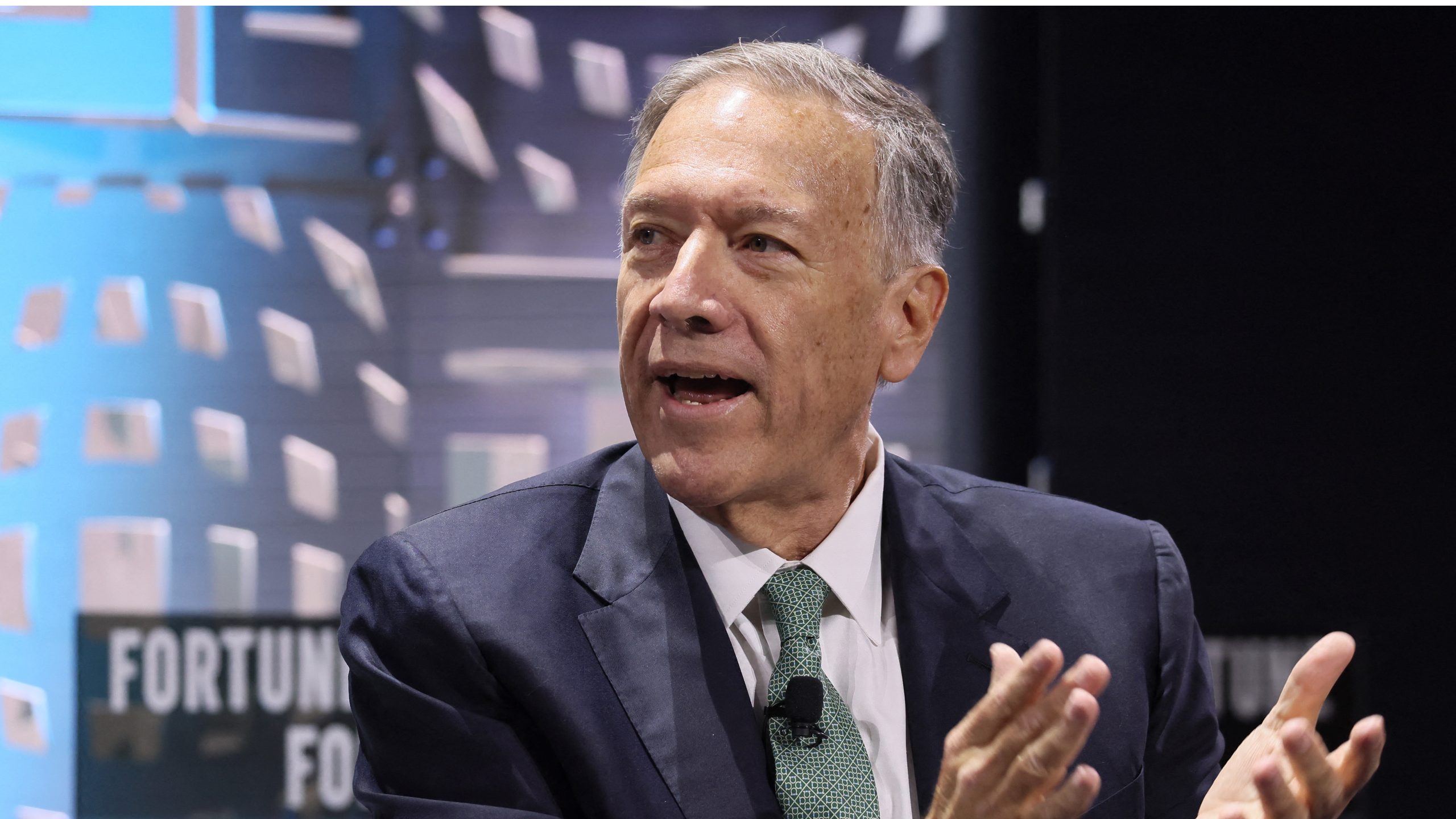
The recent statements by former US Secretary of State and CIA Director Mike Pompeo regarding the ongoing conflict in Gaza have ignited a firestorm of criticism, centering around his assertion that the narrative surrounding the war must be controlled to prevent future history books from focusing on the “victims of Gaza.” This controversial remark, made during an event hosted by the pro-Israeli MirYam Institute, has been widely condemned as a callous disregard for Palestinian suffering and a blatant attempt to manipulate historical perception.
تصريحات بومبيو المثيرة للجدل حول حرب غزة (Pompeo’s Controversial Statements About the Gaza War)
Pompeo’s comments, delivered on January 13th, 2026, at an online event organized by the MirYam Institute, a forum presenting perspectives from Israeli experts, underscored his belief that the way the war is documented will fundamentally shape its legacy. He explicitly stated the need to “make sure that the story is told properly” so that future historical accounts wouldn’t prioritize the plight of Palestinians in Gaza. The CEO of the MirYam Institute, Benjamin Anthony, is a former Israeli army combat veteran, adding another layer to the context of the event.
This statement comes amidst a devastating conflict that has resulted in over 71,400 Palestinian deaths, a figure that has led many, including UN officials and genocide scholars, to declare the situation a genocide. The sheer scale of destruction and human loss in Gaza makes Pompeo’s desire to minimize the focus on Palestinian victims particularly jarring.
تبرير بومبيو: إسرائيل هي الضحية (Pompeo’s Justification: Israel is the Victim)
Pompeo attempted to reframe the narrative by claiming that “the victims were the people of the nation-state of Israel” and that Hamas, acting as a proxy for Iran, was the true aggressor. He acknowledged civilian casualties in Gaza, but dismissed their significance in comparison to the suffering of Israelis. This argument, however, fails to address the disproportionate impact of the war on the Palestinian population and the accusations of war crimes leveled against Israel.
This framing is a key element in the ongoing information war surrounding the conflict, and highlights the importance of independent journalism and accurate documentation. The focus on the October 7th, 2023 Hamas attack, while important, shouldn’t overshadow the decades of occupation and the resulting humanitarian crisis in Gaza.
ردود الفعل العنيفة وانتقادات واسعة النطاق (Violent Reactions and Widespread Criticism)
The backlash against Pompeo’s remarks was swift and severe, particularly on social media. Activists and commentators accused him of actively advocating for the erasure of Palestinian suffering from historical memory, rather than demanding accountability for the human cost of the war. Many saw his statement as a form of denial, specifically a denial of the unfolding genocide.
Palestinian journalist Motasem A Dalloul expressed the sentiment of many, stating on X (formerly Twitter), “They even are working to continue the genocide inflicted on us after their death!” This highlights the deep-seated fear among Palestinians that their experiences and suffering will be deliberately ignored or distorted.
Numerous users pointed to Pompeo’s previous displays of support for Israel, including a video from November 2024 showing him dancing with Israeli soldiers, and another from February 2024 depicting a visit to an Israeli “rejuvenation centre” for soldiers returning from Gaza, where he affirmed, “America stands with you.” These actions, combined with his recent statement, reinforce the perception that he is heavily biased in favor of Israel.
محاولات السيطرة على الرواية التاريخية (Attempts to Control the Historical Narrative)
Critics argue that Pompeo’s statement is part of a broader effort by US and Israeli officials to control the historical narrative surrounding the Israeli-Palestinian conflict. This effort aims to portray Israel as a victim and to minimize or justify the suffering of Palestinians, effectively silencing their voices and experiences. The term الرواية التاريخية (historical narrative) is central to understanding this criticism.
The manipulation of الرواية (narrative) is a common tactic in conflicts, and the situation in Gaza is no exception. Independent observers and human rights organizations are working tirelessly to document the realities on the ground, providing a counter-narrative to those promoted by official sources. The importance of توثيق (documentation) cannot be overstated in ensuring a truthful and accurate historical record.
انتهاكات وقف إطلاق النار وتدهور الأوضاع الإنسانية (Ceasefire Violations and Deteriorating Humanitarian Situation)
The context of Pompeo’s remarks is crucial. While a ceasefire brokered by the US on October 10th, 2025, saw Israeli forces withdraw to the “yellow line,” granting them control over roughly 53% of Gaza, this ceasefire has been repeatedly violated. Over the subsequent three months, at least 439 Palestinians have been killed in nearly 1,200 violations, including airstrikes, shelling, and the demolition of homes. This ongoing violence further underscores the urgency of accurately documenting the events unfolding in Gaza.
الخلاصة: أهمية التوثيق والمحاسبة (Conclusion: The Importance of Documentation and Accountability)
Mike Pompeo’s attempt to dictate how the war on Gaza should be remembered is a deeply concerning development. His statement reflects a dangerous disregard for Palestinian lives and a willingness to manipulate history for political purposes. The international community must prioritize accurate توثيق (documentation) of the conflict, ensuring that the voices and experiences of all victims, including those in Gaza, are heard and acknowledged. Furthermore, accountability for any war crimes committed is essential to achieving lasting peace and justice. Ignoring the suffering of the Palestinian people will not erase it from history, but rather contribute to a cycle of violence and injustice. It is vital to continue sharing information and supporting organizations dedicated to documenting the truth about the situation in Gaza.


