






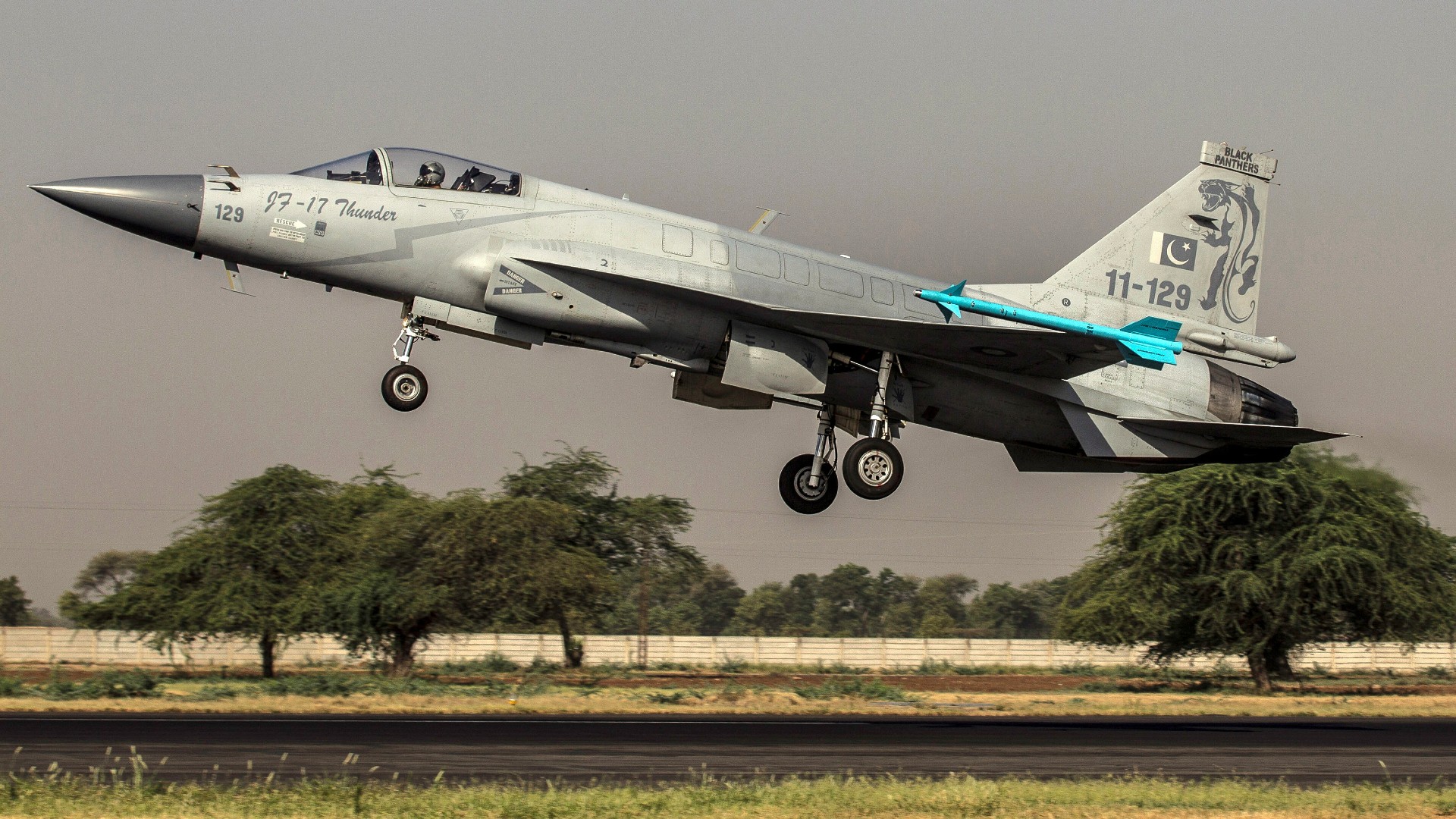
Pakistan is actively working to transform recent developments on the battlefield and shifts in global politics into tangible diplomatic and economic gains. A key component of this strategy revolves around bolstering its defense exports, particularly its domestically produced JF-17 Thunder fighter jet. Pakistani officials and regional analysts suggest a growing international interest, fueled by the aircraft’s perceived performance and a desire for alternatives to traditional Western arms suppliers.
Pakistan Leverages Geopolitical Shifts for Defense Sales
Islamabad is aggressively marketing the multi-role JF-17 Thunder to countries across the Middle East, North Africa, and Southeast Asia. The appeal lies in offering a combat-tested, yet more affordable, option compared to Western-made aircraft. This strategy is particularly attractive to nations facing budgetary constraints or seeking to diversify their arms sources due to political considerations linked to deals with the United States and Europe.
The timing of this push is crucial. A four-day aerial confrontation with India in May 2025 provided a real-world demonstration of the JF-17 Thunder’s capabilities, according to Pakistani sources. While the specifics of the clash remain debated, Islamabad has capitalized on the event to showcase the aircraft’s operational credibility.
The JF-17 Thunder: From Budget Option to Battle-Ready Platform
The JF-17 Thunder Block III is a collaborative project between the Pakistan Aeronautical Complex and China’s Chengdu Aircraft Corporation, fully assembled within Pakistan. Initially positioned as a cost-effective solution for smaller air forces, the aircraft is now being presented as a frontline fighter capable of handling high-intensity conflicts.
This shift in marketing is directly linked to the May 2025 skirmish. “The Pakistan Air Force demonstrated superior performance against more expensive western platforms, including French-made Rafales,” explains Muhammad Shoaib, assistant professor at Quaid-i-Azam University in Islamabad. “This proved the JF-17 Thunder is no longer just a budget option, but a battle-tested one.”
Furthermore, the aircraft avoids the political restrictions and usage limitations often associated with arms exports from the US and Europe, adding to its attractiveness.
Rising Interest Across Key Regions
Analysts report a surge in interest for the JF-17 Thunder across several regions. The Middle East and Africa, in particular, are witnessing a re-evaluation of defense partnerships as geopolitical alignments evolve. This is creating opportunities for Pakistan to establish itself as a reliable supplier.
Pakistan has already secured export deals with Azerbaijan, Myanmar, and Nigeria. Recent discussions with Indonesia’s defense minister and a high-level visit by the Pakistani air force chief to Iraq indicate further potential sales. These engagements highlight a proactive approach to expanding Pakistan’s defense footprint.
Africa: A New Testing Ground
Africa is emerging as a key focus for Pakistan’s defense export strategy. The continent’s complex security landscape, coupled with increasing great-power competition, is driving demand for arms. Deals with Sudan and Libya represent a significant escalation, moving beyond limited sales to establish politically important defense partnerships.
A potential $1.5 billion defense package for Sudan, including JF-17 Thunder fighters and drones, would bolster the Sudanese army in its ongoing conflict. Similarly, a reported $4 billion agreement with Libya, encompassing JF-17s and other military systems, marks Pakistan’s largest-ever arms export deal. These agreements demonstrate Pakistan’s willingness to engage in complex security environments.
The Saudi-Pakistan Strategic Alliance & the Role of China
A pivotal development is the recently signed Strategic Mutual Defence Agreement between Pakistan and Saudi Arabia. This pact, triggered by regional instability, commits both nations to a collective defense posture. Discussions are now underway regarding a potential procurement package, with reports suggesting a possible conversion of $2 billion in Saudi loans into an order for JF-17 Thunder aircraft.
“This is essentially about [Saudi Arabia] supporting Pakistan and building a strategic hedge,” notes Ayesha Siddiqa, a Pakistani defense analyst. Riyadh’s interest stems from a growing desire to diversify its defense suppliers and reduce reliance on the United States, particularly following perceived inconsistencies in US support for Saudi security concerns.
However, the crucial element underpinning all JF-17 Thunder exports is China. Approximately half of the aircraft’s components are manufactured in China, and Beijing’s approval is required for any third-party sales. China’s role is not merely as a supplier, but as a dominant partner in the program, offering a discreet alternative for nations hesitant to procure directly from China.
Economic Implications and Production Capacity
Pakistan’s pursuit of defense exports is driven by a pressing economic need. Currently navigating its 24th IMF program, the country is seeking new avenues for foreign exchange revenue. Defense exports are being touted as a potential solution to Pakistan’s chronic economic challenges.
While arms sales alone cannot resolve Pakistan’s structural economic issues, they could provide a significant boost to its balance of payments. However, concerns remain about Pakistan’s industrial capacity to meet potentially large orders. The country’s current production rate pales in comparison to established manufacturers like France.
“France produces only about 25 or 26 Rafale jets a year,” points out Abdul Basit, senior associate fellow at Singapore’s S Rajaratnam School of International Studies. “How can Pakistan realistically manufacture far more JF-17 Thunder aircraft if multiple orders materialize?”
Maintaining domestic force readiness while fulfilling export commitments will be a critical challenge for Pakistan.
In conclusion, Pakistan is strategically leveraging its military capabilities and evolving geopolitical dynamics to expand its defense exports, with the JF-17 Thunder at the forefront. While significant opportunities exist, particularly in Africa and the Middle East, success hinges on navigating complex political landscapes, maintaining strong ties with China, and addressing potential production capacity limitations. The coming months will be crucial in determining whether Pakistan can translate this momentum into a sustainable source of economic and strategic advantage.


