






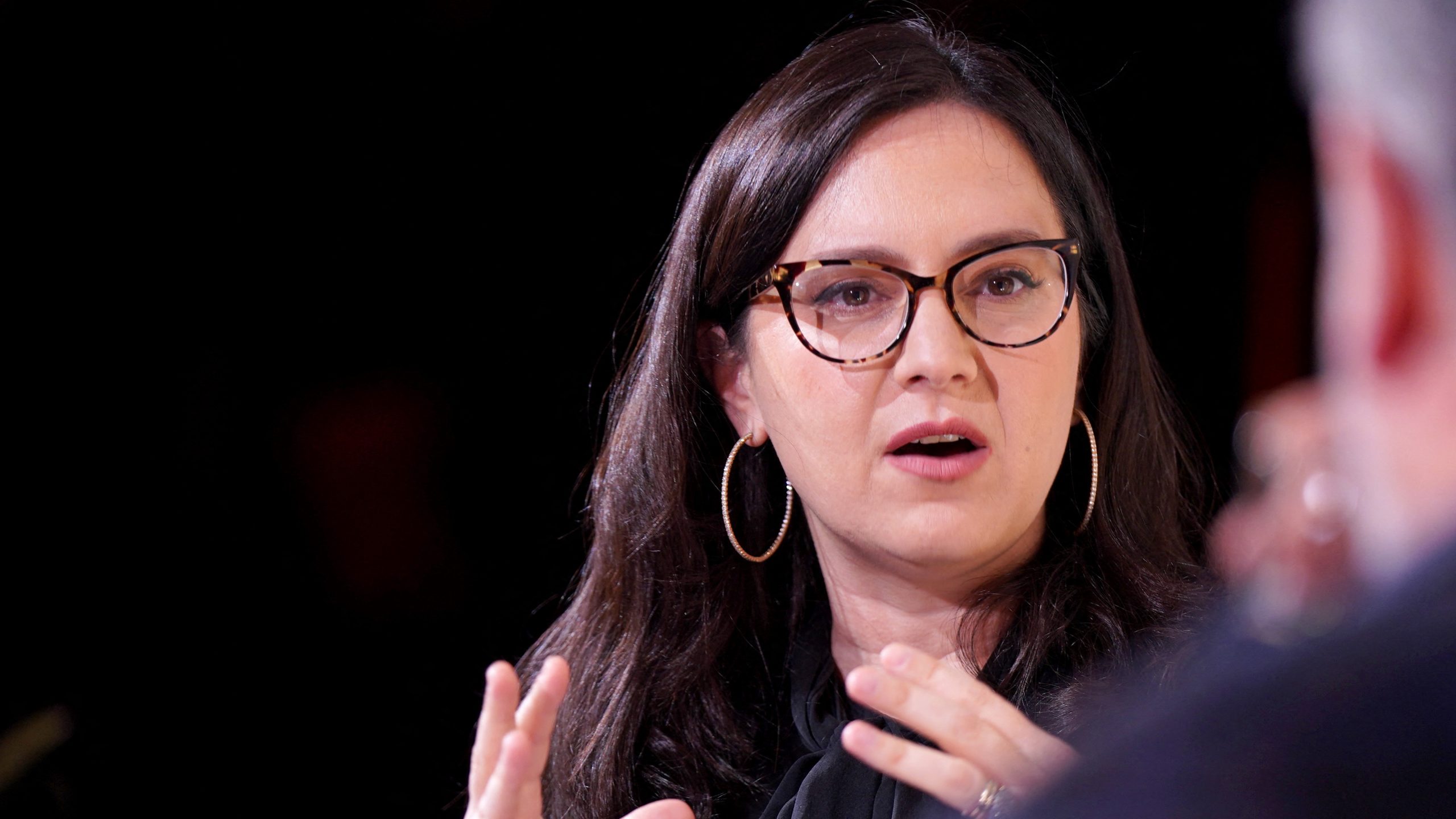
The recent and abrupt halting of a 60 Minutes episode investigating the treatment of US deportees in El Salvador’s notorious CECOT prison has ignited a firestorm of controversy, raising serious questions about editorial independence and potential political interference at CBS News. The episode, which featured testimony from Venezuelan migrants alleging abuse after deportation, was pulled just days before its scheduled broadcast, triggering an internal revolt and accusations of censorship. This incident has become a focal point in discussions about the pressures facing investigative journalism in the current political climate.
فضيحة الرقابة في CBS: إلغاء حلقة “60 دقيقة” حول سجن CECOT (CBS Censorship Scandal: Cancellation of “60 Minutes” Episode on CECOT Prison)
The planned segment focused on the experiences of migrants deported from the United States to El Salvador, specifically detailing allegations of mistreatment within the walls of CECOT, a prison known for its harsh conditions and gang violence. CBS had already publicly promoted the episode, releasing trailers and announcements, and it had successfully navigated multiple internal reviews – editorial, legal, and standards. However, less than 48 hours before airtime, Bari Weiss, CBS News’ editor-in-chief, intervened and stopped the broadcast.
مطالبة بمقابلة مسؤول حكومي سابق (Demand for a Former Government Official Interview)
According to sources within CBS, Weiss justified her decision by arguing that the segment lacked an on-the-record interview with a senior official from the Trump administration, specifically requesting someone of the stature of Stephen Miller. This demand came as a surprise, as the reporting team had already attempted to secure interviews with representatives from the Department of Homeland Security, the White House, and the State Department, all without success.
This insistence on a specific interview, despite previous attempts to obtain official responses, was perceived internally as a deliberate attempt to derail the story. The team had built their reporting on the testimonies of those directly affected, a common and valid journalistic practice. The sudden requirement for a high-ranking official’s perspective, particularly one associated with the policies leading to the deportations, felt like a moving of the goalposts.
ردود فعل داخلية: “قرار سياسي وليس تحريريًا” (Internal Reactions: “A Political, Not Editorial, Decision”)
The decision to pull the episode sparked outrage within 60 Minutes. Correspondent Sharyn Alfonsi sent a scathing email to colleagues, condemning the move as “not an editorial decision, it is a political one.” She warned that allowing government refusal of interviews to effectively kill investigative reports would set a dangerous precedent, granting future administrations a “kill switch” over critical journalism. This email quickly circulated and was obtained by several news outlets, amplifying the controversy. The core issue, as highlighted by Alfonsi, is the potential for political pressure to stifle reporting that holds power accountable.
الجدل القانوني الذي لا أساس له (The Groundless Legal Controversy)
Weiss attempted to defend her decision by claiming the episode didn’t adequately address the legal justification for the migrants’ detention and transfer. She argued there was an ongoing legal debate regarding the administration’s authority in these matters. However, this argument quickly unraveled. Earlier this year, the US Supreme Court unanimously (9-0) ruled that the process used to transfer detainees to CECOT violated their due process rights. This ruling directly contradicted the claim of an unsettled legal landscape. Critics argue that invoking a “legal debate” was a retroactive attempt to justify suppressing a story whose central premise had already been definitively rejected by the highest court. The deportation process itself became a key point of contention.
سياق أوسع: الرقابة المتزايدة على وسائل الإعلام (Broader Context: Increasing Censorship in the Media)
The CBS incident isn’t isolated. It’s part of a growing trend of powerful institutions quietly suppressing reporting that could lead to political backlash. Last year, the BBC faced similar accusations when it shelved a documentary, “Gaza: Doctors Under Attack,” alleging Israeli targeting of Palestinian medical workers. Despite extensive reporting, the film was never aired, prompting concerns about censorship disguised as editorial rigor.
This pattern of silence extends to other areas. In early 2025, CBS aired a segment on US support for Israel’s actions in Gaza, which drew criticism from pro-Israel groups who claimed it lacked factual accuracy. This incident, and the subsequent upheaval at CBS, further fueled speculation about the influence of external pressures on editorial decisions. The issue of media bias and external influence is clearly a sensitive one.
تداعيات محتملة على الصحافة الاستقصائية (Potential Implications for Investigative Journalism)
The suppression of the 60 Minutes episode raises serious concerns about the future of investigative journalism. If news organizations are perceived as being willing to cave to political pressure, it will become increasingly difficult to hold powerful actors accountable. The incident also highlights the importance of protecting sources who risk their safety to share information. Alfonsi’s email underscored this point, framing the decision as a betrayal of the profession’s core principles.
CBS has stated that the story may air at a later date, but offered no explanation for why material previously deemed broadcast-ready was suddenly deemed insufficient. This lack of transparency only adds to the growing distrust and fuels the narrative of political interference. The long-term impact of this incident on CBS News’ credibility and the broader landscape of investigative journalism remains to be seen.


