

The recent developments in Yemen have brought simmering tensions between Saudi Arabia and the United Arab Emirates to the forefront, particularly concerning the ambitions of the Southern Transitional Council (STC) and control over key territories. On Thursday, the STC announced it would allow forces aligned with the Saudi-backed Yemeni government to enter areas it seized last month, a move perceived as a partial concession that may not fully satisfy Riyadh’s demands for a complete withdrawal. This article will delve into the complexities of the situation, examining the motivations of the various actors and the potential implications for Yemen’s fragile peace.
## تصاعد التوترات: Southern Transitional Council and Saudi Demands
The current crisis stems from a surprise offensive launched by the STC in December, leading to their control over resource-rich provinces like Hadramawt and Mahra. These provinces are strategically vital, particularly due to their proximity to the Saudi border and control over crucial shipping routes. This expansion of power directly challenged the authority of the internationally recognized Yemeni government, which is largely supported by Saudi Arabia. Riyadh immediately demanded the STC withdraw from these areas, viewing their presence as a threat to its own national security and regional stability.
This isn’t a simple internal Yemeni dispute. The UAE has historically backed the STC, providing training, funding, and weaponry. The STC’s goal is ultimately autonomy, and potentially even independence, for South Yemen, a region that was a separate state from 1967 to 1990. This ambition directly conflicts with Saudi Arabia’s objective of maintaining a unified Yemeni government.
## ضربة إماراتية؟ The Coalition Strikes and UAE Response
The tensions escalated significantly on Tuesday when the Saudi-led coalition struck a shipment of Emirati weaponry at the port of Mukalla, claiming it was destined for the STC. Abu Dhabi vehemently denied these accusations, but the incident underscored the deep distrust brewing between the two powerful allies. This strike was a clear warning to the UAE, signalling Saudi Arabia’s resolve to curb the STC’s growing influence.
Following the incident, the UAE’s defense ministry announced its intention to withdraw its remaining troops from Yemen, seemingly in response to the 24-hour deadline issued by Saudi Arabia for their removal. This withdrawal raises questions about the future of UAE involvement in the conflict and its continued support for the Southern Transitional Council.
## تنازل محدود: The STC’s Partial Concession
The STC’s statement on Thursday represents a partial concession to Saudi pressure. They agreed to the deployment of forces from the National Shield, a unit comprised of Southern Yemeni fighters previously funded and trained by Saudi Arabia, into areas of Hadramawt and Mahra. According to the STC, this deployment is intended as an “integration” of Southern forces within the larger framework of the government’s security apparatus.
However, this compromise appears to be insufficient for Saudi Arabia. A source close to the Saudi government stated that a full withdrawal of the STC from Hadramawt and Mahra is necessary to address their security concerns. The source emphasized this isn’t merely about the presence of forces, but about the control of key strategic assets and border regions. Another military source indicated that the coalition is closely monitoring the situation and assessing the extent of the STC’s compliance.
## وجهة نظر مختلفة: STC Justification and Local Reactions
The STC has attempted to downplay any potential Saudi concerns. Spokesman Anwar Al Tamimi asserted that the deployed National Shield forces are predominantly Southern, funded and overseen by Saudi Arabia, thus defusing any argument for continued intervention. This framing suggests the STC is attempting to portray itself as accommodating Saudi interests while simultaneously consolidating its control.
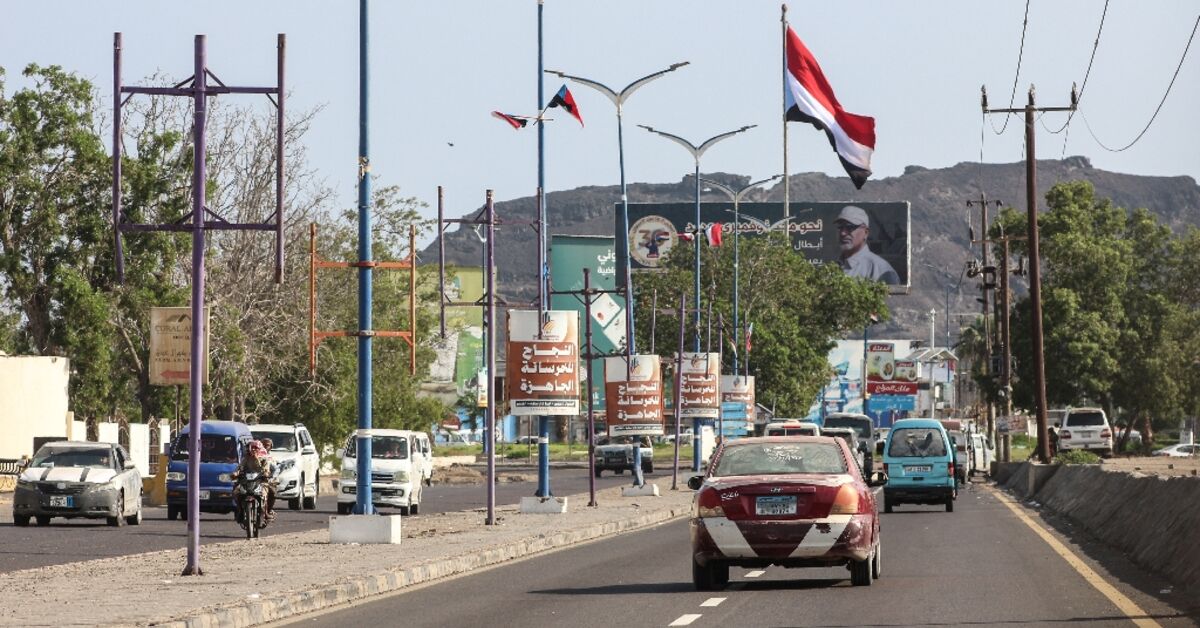
On the ground, reactions have been mixed. Musaed Salem, a bus driver in Hadramawt, expressed relief at the prospect of increased stability and reduced tensions. He, like many Yemenis, simply desires an end to the ongoing conflict and a return to normalcy. These local voices underscore the human cost of the power struggle between regional actors. The desire for stability and a resolution to the ongoing conflict is a common thread throughout Yemen.
## مستقبل اليمن: Implications and Potential Scenarios
The current situation is a delicate balancing act. The deployment of National Shield forces could be a temporary “face-saving measure,” as characterized by Farea Al-Muslimi of Chatham House, offered to Riyadh and previously rejected. A full withdrawal by the STC, accompanied by a genuine handover of authority, could potentially lead to de-escalation. However, without that full handover, Saudi Arabia’s fundamental security demands will remain unmet.
The broader context is crucial: Yemen remains deeply divided, plagued by a civil war between the internationally recognized government and the Iranian-backed Houthi rebels. The conflicting agendas of the STC and the Yemeni government, coupled with the diverging interests of Saudi Arabia and the UAE, complicate the path towards a lasting peace. The potential for South Yemen to declare independence looms large, threatening to further fragment the country and prolong the conflict. Finding a sustainable solution will require addressing the root causes of the instability, accommodating the legitimate aspirations of all Yemenis, and fostering greater cooperation amongst regional powers.
The future of Yemen hinges on the willingness of all parties – the STC, the Yemeni government, Saudi Arabia, and the UAE – to engage in meaningful dialogue and prioritize the well-being of the Yemeni people. Continued escalation and mistrust will only serve to deepen the humanitarian crisis and perpetuate the cycle of violence. The focus must shift towards a comprehensive political settlement that respects Yemeni sovereignty and guarantees security for all regions.