






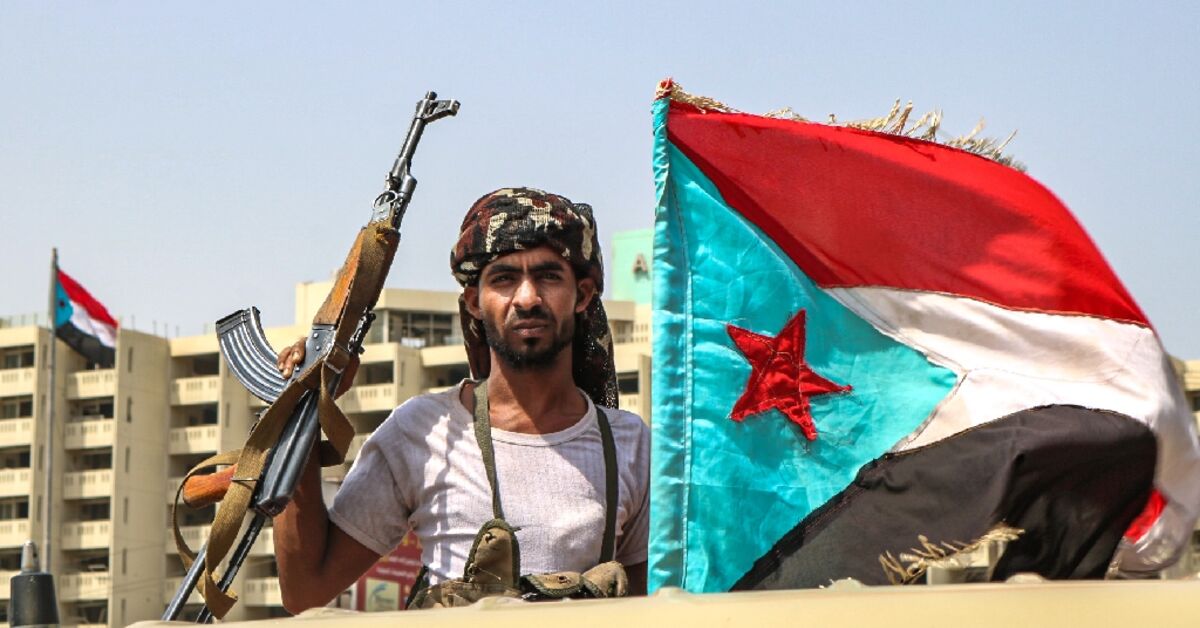
The situation in Yemen continues to be complex and volatile, with recent escalations raising concerns about a potential wider conflict. Saudi Arabia has issued a strong warning to the Southern Transitional Council (STC), a separatist group, threatening to back the internationally-recognized Yemeni government if the STC doesn’t withdraw from territories it recently seized. This development underscores the deepening tensions within the anti-Houthi alliance and highlights the challenges facing efforts to achieve a lasting peace in Yemen. The core of the issue revolves around the Yemen conflict and the delicate balance of power between its various factions.
تصعيد التوترات: تحذير سعودي للمجلس الانتقالي الجنوبي
Recent days have witnessed a significant increase in tensions in Yemen, particularly in the provinces of Hadramawt and Mahrah. The STC, backed by the United Arab Emirates, has made territorial gains, prompting a firm response from Saudi Arabia, the primary supporter of the Yemeni government. Reports of Saudi airstrikes targeting STC positions in Hadramawt have further fueled the escalating conflict.
The Saudi Defense Minister, Khalid bin Salman, publicly called on the STC to “peacefully hand over” control of the two regional governorates, emphasizing the need for reason to prevail. This direct appeal, posted on X (formerly Twitter), signals a clear shift in Saudi Arabia’s approach and a willingness to assert its influence to protect the Yemeni government’s authority.
Saudi Arabia’s Stance and Threat of Intervention
Riyadh’s warning is unequivocal: it will support the Yemeni government “directly and at the appropriate moment” to protect civilian lives. This statement, delivered by General Turki al-Malki, the spokesman for the Riyadh-led coalition, indicates a readiness to intervene militarily if the STC does not comply with the demand for withdrawal.
The Saudi position stems from the STC’s actions being perceived as a challenge to the internationally-recognized government and a destabilizing force in the region. Experts believe the STC’s advances have embarrassed Saudi Arabia, which has invested heavily in supporting the Yemeni government and mediating a peaceful resolution to the Yemen crisis. The STC’s pursuit of an independent South Yemen clashes with Saudi Arabia’s vision of a unified Yemen, a key factor driving the current standoff.
The Role of Civilian Protection
Saudi Arabia has consistently framed its potential intervention as a necessity for protecting Yemeni civilians. This justification is crucial for garnering international support and mitigating potential criticism of military action. However, the reality on the ground is complex, and any military escalation carries the risk of further civilian casualties and exacerbating the already dire humanitarian situation.
International Reactions and Calls for Restraint
The escalating conflict has drawn concern from the international community, with the United States urging restraint and continued diplomacy. US Secretary of State Marco Rubio emphasized the need for a “lasting solution” to the political instability in Yemen, highlighting the importance of de-escalation and dialogue.
Washington’s call for restraint reflects a broader international desire to avoid a further deterioration of the situation in Yemen, which has already been ravaged by years of war and faces a severe humanitarian crisis. The international community recognizes the potential for the conflict to spill over into neighboring countries and further destabilize the region.
UAE’s Position and Intra-Coalition Dynamics
The situation has also put pressure on the relationship between Saudi Arabia and the United Arab Emirates, both key players in the Yemeni conflict. While the UAE has historically backed the STC, it recently welcomed Saudi efforts to support security in Yemen, signaling a desire to present a united front despite their differing allegiances.
This apparent attempt at coordination is likely aimed at avoiding a direct confrontation between Saudi and Emirati-backed forces. However, the underlying tensions remain, and the future of their cooperation in Yemen is uncertain. The complex web of alliances and rivalries within the anti-Houthi coalition continues to be a major obstacle to achieving a lasting peace.
Military Preparations and Potential for Wider Conflict
Reports indicate that approximately 15,000 Saudi-backed fighters have been amassed near the Saudi border, although they have not yet received orders to advance. These deployments suggest that Saudi Arabia is preparing for a potential military confrontation with the STC.
The STC, for its part, has warned that it remains undeterred by the reported Saudi airstrikes. This defiant stance, coupled with the military preparations on both sides, raises the specter of a full-scale conflict that could further complicate the already challenging situation in Yemen. The potential for a wider conflict, involving direct clashes between Saudi and Emirati-backed forces, is a significant concern.
In conclusion, the recent escalation in Yemen, triggered by the STC’s territorial gains and Saudi Arabia’s subsequent warning, represents a dangerous turning point in the Yemen conflict. The situation is fraught with risk, and a peaceful resolution will require a concerted effort from all parties involved, as well as sustained international engagement. The need for dialogue, compromise, and a commitment to protecting Yemeni civilians is more urgent than ever. Further developments will undoubtedly be closely watched by the international community, as the fate of Yemen hangs in the balance.


