





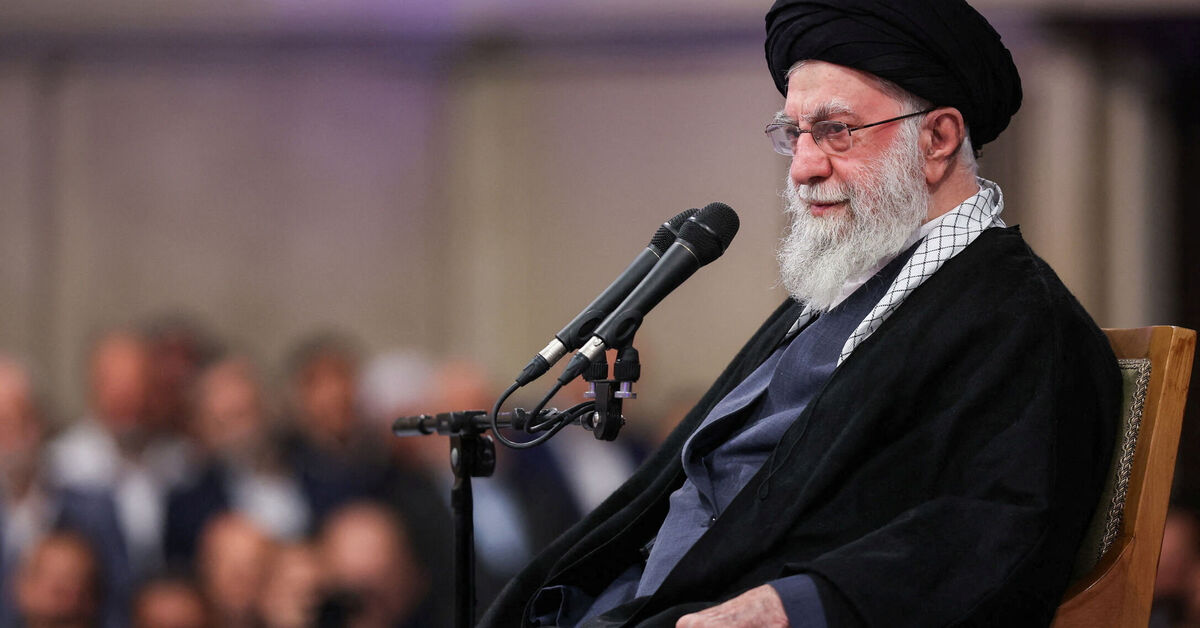
The latest wave of unrest in Iran, fueled by a rapidly deteriorating economic crisis, has prompted a strong response from the country’s Supreme Leader, Ayatollah Ali Khamenei. Following threats of intervention from U.S. President Donald Trump, Khamenei vowed defiance and signaled a hardline approach towards protesters, as reported by Reuters on January 3rd. The situation remains volatile, with escalating arrests and clashes between demonstrators and security forces. This article delves into the details of the protests, the government’s reaction, and the international implications of the ongoing turmoil.
تصاعد الاحتجاجات في إيران وسط أزمة اقتصادية حادة (Escalating Protests in Iran Amidst a Severe Economic Crisis)
The demonstrations, which began on Sunday, have spread across several Iranian cities, particularly in the western provinces. They are a direct response to the soaring inflation, the freefall of the Iranian Rial, and the deepening economic hardships facing the population. Citizens are struggling to afford basic necessities, and many are deeply frustrated with the government’s inability to address the economic woes. This has led to increasingly bolder displays of discontent, remembering the nationwide protests of 2022 sparked by the death of Mahsa Amini.
أسباب الاحتجاجات وتداعياتها (Causes of the Protests and Their Consequences)
The root cause of the current unrest lies in Iran’s fragile economic state, compounded by international sanctions. The collapsing currency severely impacts businesses and the everyday lives of citizens. Reports from bazaar traders, acknowledged by Khamenei himself, highlight the impossibility of conducting business under the current conditions. While the government acknowledges the legitimacy of economic grievances, it distinguishes sharply between “protesters” and “rioters,” vowing to suppress the latter with force. This distinction reflects a desire to appear responsive to legitimate concerns while simultaneously cracking down on any perceived threat to its authority.
رد فعل القيادة الإيرانية وتصريحات الرئيس ترامب (Reaction of Iranian Leadership and Trump’s Statements)
Ayatollah Khamenei’s televised address was unequivocal. He declared that the Islamic Republic “will not yield to the enemy” and instructed authorities to “put the rioters in their place.” This rhetoric mirrors past responses to social unrest and underscores the regime’s determination to maintain control.
Meanwhile, President Trump’s statement that the U.S. was “locked and loaded” has heightened tensions. While he lacked specificity regarding potential action, the threat, coupled with previous U.S. military operations in the region – including airstrikes in the summer of 2023 allegedly targeting Iran’s nuclear sites – adds a dangerous layer to the situation. The lack of clarity surrounding Trump’s intentions breeds uncertainty and increases the risk of escalation. This foreign interference is a key point of concern for Iranian leadership.
الاعتقالات والعنف المتصاعد (Arrests and Escalating Violence)
Rights groups, notably Hengaw – a Kurdish rights organization – are documenting a significant increase in arrests. Hengaw reported identifying 133 arrests as of late Friday, marking a substantial rise from the previous day’s figure of 77. These arrests are raising concerns about due process and the potential for human rights abuses.
The reports indicate a pattern of violence centering in smaller cities in western Iran. Authorities have confirmed the deaths of two security personnel and injuries to over a dozen more. State media, however, frames the unrest as attacks on property perpetrated by “infiltrators” posing as protesters. They also report arrests linked to the manufacture of rudimentary weapons like petrol bombs and pistols. Social media accounts corroborate reports of widespread unrest in multiple cities, including districts within the capital, Tehran. It is difficult to independently verify all claims due to restricted access and information control. The situation is extremely sensitive, and reliable information is scarce.
الضغوط الإقليمية والاستراتيجية على إيران (Regional & Strategic Pressures on Iran)
The current economic crisis and internal unrest are occurring against a backdrop of significant strategic challenges for Iran. Since the beginning of the war in Gaza in 2023, Iran has faced a series of setbacks in its regional positioning. Israeli strikes have targeted and weakened Hezbollah, a key Iranian ally. Moreover, the status of Bashar al-Assad in Syria, another close partner, has come under increased pressure. The U.S. and Israel have also reportedly launched direct assaults on Iranian nuclear facilities and eliminated senior military leaders, demonstrating a worrying level of penetration into Iran’s upper echelons. All of these factors contribute to the fragile internal environment and the government’s desperate attempts to maintain control. The Iranian Rial‘s depreciation further compounds these regional concerns.
التحديات الداخلية وخيارات الحكومة (Domestic Challenges and Government Options)
These protests represent the most significant domestic challenge to Iranian authorities in three years, following the major demonstrations sparked by Mahsa Amini’s death. While the current protests may not be on the same scale as those of 2022, they still pose a serious threat to the regime’s stability.
The government’s attempts to navigate these challenges are further complicated by its internal divisions and the limited options available to address the economic crisis. Continued repression risks further fueling the unrest, while concessions could be interpreted as weakness. The authorities are currently pursuing a dual-track strategy – acknowledging economic grievances while vehemently suppressing dissent. Whether this approach will prove sustainable remains to be seen.
In conclusion, the escalating protests in Iran are a symptom of a deeper and more pervasive economic crisis, exacerbated by regional pressures and international sanctions. Ayatollah Khamenei’s firm stance, coupled with the ambiguous threats from President Trump, adds significant complexity to the situation. The high number of arrests and reports of violence raise serious concerns about human rights and the potential for further escalation. As the situation unfolds, it is crucial to follow developments closely and understand the multifaceted factors shaping Iran’s internal and external dynamics. The future of Iran hangs in the balance, dependent on the government’s ability, or inability, to address the legitimate grievances of its citizens while navigating a treacherous geopolitical landscape.


