






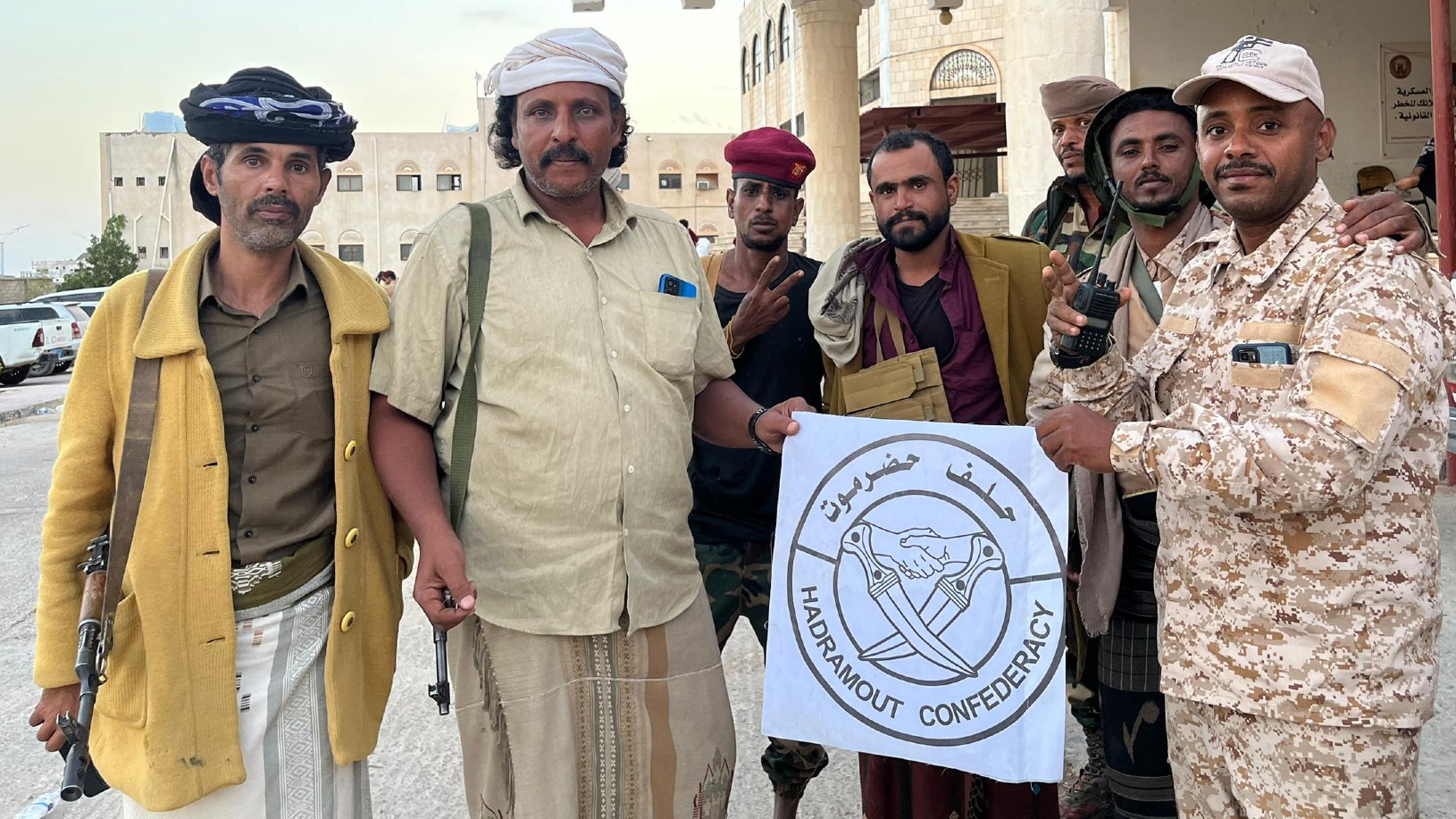
The recent military confrontation between Saudi Arabia and forces aligned with the United Arab Emirates in Yemen represents far more than a localized clash. It signals a profound shift in the regional order, marking the unraveling of traditional alliances and the emergence of a new, more fractured landscape. This wasn’t a spur-of-the-moment decision, but a calculated move revealing a growing understanding that a weakened Yemen, initially seen as a buffer, poses a direct threat to Saudi Arabia’s security, mirroring vulnerabilities experienced by Israel with Lebanon and Turkey with Syria. The implications of this breakdown in cooperation are far-reaching, impacting the balance of power across the Red Sea and the wider Middle East. This article will analyze the reasons behind this escalating tension and the new realities defining the region’s political dynamics.
انهيار التحالفات: نظرة على الصراع في اليمن وتداعياته الإقليمية (The Collapse of Alliances: A Look at the Conflict in Yemen and its Regional Implications)
The Saudi strike in Mukalla wasn’t simply a demonstration of force; it was an acknowledgement of failed strategy. For years, the approach was to maintain a state of controlled chaos in Yemen, believing it could be managed without igniting wider repercussions. However, the reality proved harsher. A perpetually unstable Yemen has fostered armed groups capable of threatening Saudi Arabia’s southern borders. The realization dawned that containing Yemen’s weakness was ultimately creating a persistent vulnerability. This move is a pivotal moment demonstrating the limits of proxy warfare and interventionist policies.
دوافع الضربة السعودية: من المخاوف الأمنية إلى إعادة تشكيل النفوذ (Motives for the Saudi Strike: From Security Concerns to Reshaping Influence)
The primary driver of the Saudi action was fear – not of imminent defeat, but of transformation. Groups previously deemed reliable instruments of influence, backed and funded by the UAE, were perceived as potentially turning into future sources of threat. This stemmed from concerns about the long-term consequences of supporting disparate factions, creating fragmentation within Yemen, and ultimately undermining regional stability. Essentially, the Saudis believed they were confronting a force that could become a sustained and organized threat, unlike the sporadic challenges they had previously addressed. This escalation highlights the growing complexity of regional security in the Middle East.
نقاط الضعف الإستراتيجية للإمارات العربية المتحدة (Strategic Vulnerabilities of the UAE)
The strike exposed a critical vulnerability at the heart of the UAE’s regional strategy. Unlike nations anchored by deep demographics, historical weight, or symbolic capital – think Egypt, Saudi Arabia itself, or even historic centers like Damascus and Baghdad – the UAE’s influence is primarily built on financial power. This fundamentally limits its ability to establish lasting, organic influence. Abu Dhabi has, instead, focused on building a network of indirect control through investments in ports, islands, maritime routes, and reliance on private security firms. While effective during a period of widespread Arab state collapse, this model is increasingly fragile as states rediscover their instinct for self-preservation.
البحر الأحمر: ساحة صراع جديدة وإعادة توزيع للقوة (The Red Sea: A New Arena of Conflict and Power Redistribution)
The unfolding situation is increasingly focused on the Red Sea, which is no longer a simple trade route but a central arena for power projection. Israel, crucially, isn’t seeking direct control through occupation but through the erosion of Arab sovereignty, aiming for a “sea of indecision” secured through a web of indirect bases, fragile entities, and security agreements driven by states seeking protection, not agency. Iran, conversely, desires a volatile Red Sea to utilize as leverage on the international stage. Turkey pursues a strategy of influencing the periphery – Libya, the Horn of Africa, Qatar – to strengthen its negotiating position. While these nations jostle for power, Arab states find themselves arguing amongst themselves on the shores. The concept of geopolitical competition is especially relevant in this context.
إسرائيل وتجزئة الدول العربية: نموذج جديد في المنطقة (Israel and the Fragmentation of Arab States: A New Model in the Region)
Israel’s overarching strategy doesn’t aim to topple Arab states wholesale, but to dismantle their sovereign capabilities, turning them into functional units or zones of perpetual crisis. Palestine, with its divided territories, served as an early model. This was followed by Lebanon’s paralyzed state, Syria’s fragmented control, Iraq’s structural divisions, and Sudan’s recent fracturing.
Israel’s recent recognition of Somaliland is not a mere diplomatic gesture, but a strategic advance to reshape the dynamics of the Red Sea. Establishing a foothold in the Horn of Africa allows control over the Bab al-Mandeb Strait, which has the power to disrupt Gulf shipping lanes and exert pressure on Egypt. Modern warfare, as it’s being waged here, is centered on recognition, logistics and influence networks leveraging investments or counter-terrorism initiatives, not simply tanks and military hardware.
مستقبل مصر في ظل التحولات الإقليمية (Egypt’s Future in Light of Regional Transformations)
Egypt currently finds itself in the most precarious regional position. The concession of Tiran and Sanafir, the instability in Sudan, and the ongoing turmoil in Libya, have all diminished its capacity to safeguard vital corridors. This necessitates the development of new alliances or a bolstering of international security presence to maintain stability in the Red Sea. The loss of Tiran and Sanafir was not simply a loss of islands, but a symbolic blow to Egypt’s control over the northern entrance to the Red Sea. The fracturing of Sudan weakened its strategic depth, and its involvement in Libya, without a robust political solution, has invited external interference. This situation is demanding Egypt to reassess its foreign policy and strengthen its defensive posture.
What’s unfolding isn’t a temporary crisis, but a fundamental epochal shift – a transition from a Middle East managed through crises, to one where its very maps are being remade. The struggle is now over a vacuum of sovereignty, decision-making, and deterrence. In this new era, it is not miscalculation that is punished, but the abandonment of strategic space. Those who fail to fill it will find others eager to do so. This is the harsh reality governing the region today.
The views expressed in this article belong to the author and do not necessarily reflect the editorial policy of Middle East Eye.


