






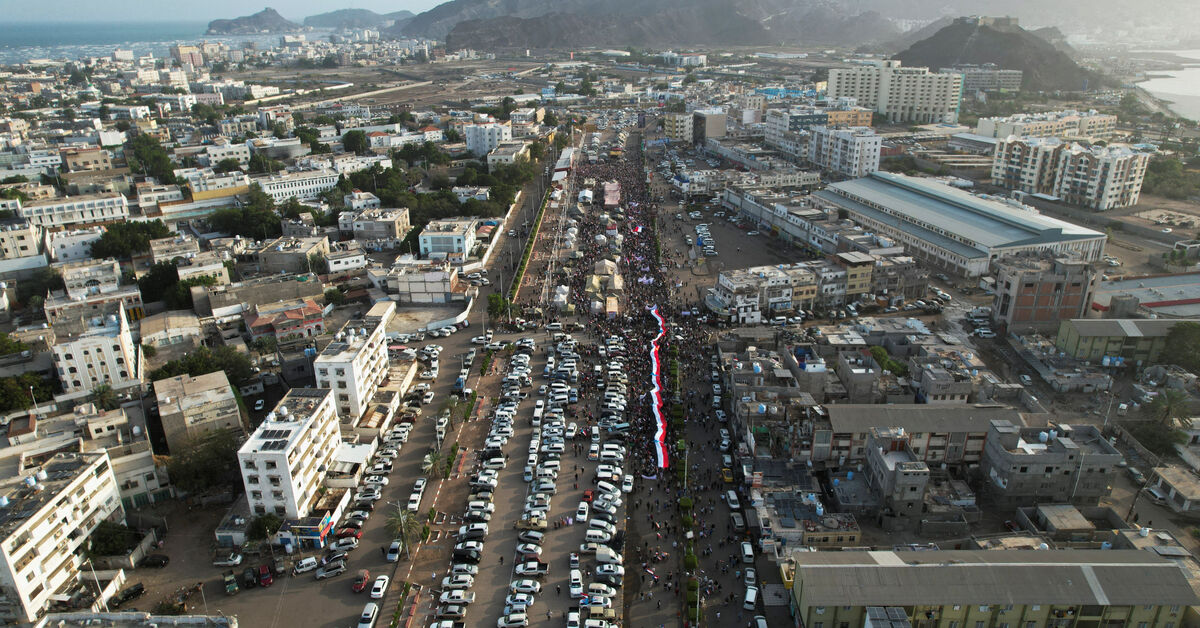
The situation in Yemen remains complex and volatile, with recent developments highlighting the delicate balance of power and the ongoing efforts to achieve lasting peace. The United Arab Emirates (UAE) has reaffirmed its support for Saudi Arabian initiatives aimed at bolstering Yemen stability, emphasizing its continued commitment to the war-torn nation’s future. This comes amidst tensions involving the Southern Transitional Council (STC) and the internationally recognized government, underscoring the challenges facing the region.
UAE Backs Saudi Efforts for Yemen Stability
The UAE’s foreign ministry released a statement on Friday, December 26th, explicitly welcoming Saudi Arabia’s endeavors to secure peace and stability in Yemen. This public endorsement signals a continued alignment between the two Gulf states regarding the Yemeni conflict, despite recent disagreements and the emergence of competing interests. The statement specifically mentioned the UAE’s “steadfast commitment to supporting all endeavours aimed at strengthening stability and development in Yemen,” demonstrating a long-term perspective on the crisis.
This support is particularly crucial given the recent actions of the STC, a southern separatist group backed by Abu Dhabi. The STC’s seizure of Aden, the interim capital, earlier this month from the Saudi-backed government created a significant escalation in the conflict and raised concerns about the fragmentation of Yemen.
The Role of the Southern Transitional Council
The STC, initially a component of the Saudi-led coalition fighting against the Houthi rebels, has increasingly pursued a path towards self-rule in southern Yemen. This shift in strategy has brought them into direct conflict with the internationally recognized government, creating a parallel power structure and complicating the already intricate political landscape.
The UAE’s support for the STC, while not explicitly detailed in the foreign ministry statement, is widely understood. This support stems from a desire to counter the influence of the Iran-aligned Houthis and to ensure a stable and secure southern Yemen, a region strategically important for trade and regional security. However, the recent escalation prompted a joint Saudi-Emirati military delegation to travel to Aden on December 12th to mediate and de-escalate the situation.
De-escalation Efforts and Regional Diplomacy
Saudi Arabia has expressed hope that the STC will withdraw its forces from the eastern provinces of Hadramout and Mahra, areas rich in resources and vital for regional trade. The joint Saudi-Emirati delegation is working to facilitate this withdrawal and restore a semblance of order. According to Saudi officials, the arrangements are still “in progress,” indicating the complexity of the negotiations and the entrenched positions of the various parties involved.
The situation highlights the need for a comprehensive political solution that addresses the underlying grievances of all stakeholders. The ongoing civil war, which began in 2014 with the Houthi takeover of Sanaa, has created a humanitarian catastrophe and destabilized the entire region. Finding a path towards lasting Yemen peace requires a concerted effort from all involved, including regional powers and international actors.
The Humanitarian Crisis in Yemen
Beyond the political maneuvering, it’s crucial to remember the devastating humanitarian impact of the conflict. Millions of Yemenis are facing starvation, disease, and displacement. The ongoing fighting has disrupted essential services, crippled the economy, and created a desperate situation for the civilian population. Any efforts towards Yemen conflict resolution must prioritize the needs of the Yemeni people and ensure access to humanitarian aid.
The geographical location of Yemen, situated between Saudi Arabia and the Red Sea shipping route, adds another layer of complexity. The country’s division into northern and southern states until 1990 also contributes to the historical and political tensions that fuel the conflict.
Looking Ahead: A Path Towards Stability
The UAE’s reaffirmation of its support for Saudi Arabian efforts represents a positive step towards de-escalation and a potential path towards a more stable Yemen. However, significant challenges remain. The STC’s ambitions for self-rule, the Houthis’ control over northern Yemen, and the ongoing humanitarian crisis all pose formidable obstacles to achieving lasting peace.
Ultimately, a sustainable solution requires inclusive dialogue, power-sharing arrangements, and a commitment from all parties to prioritize the well-being of the Yemeni people. Continued regional cooperation, particularly between Saudi Arabia and the UAE, will be essential in navigating the complexities of the Yemen situation and fostering a future of stability and prosperity for the nation. The international community must also remain engaged, providing humanitarian assistance and supporting diplomatic efforts to bring an end to this protracted conflict.


