






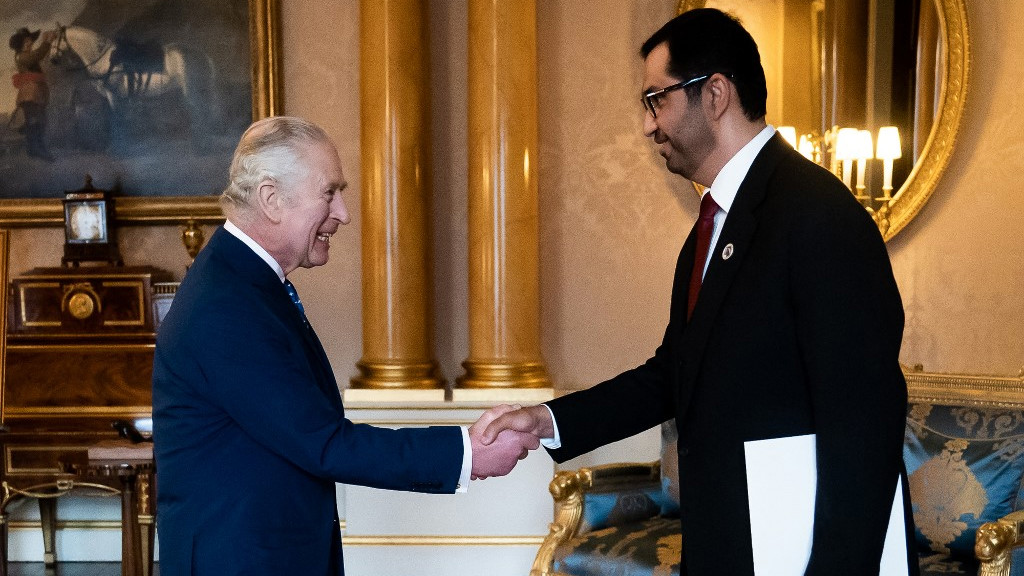
The United Arab Emirates (UAE) has taken a significant step that signals growing tensions with the United Kingdom, restricting state funding for Emirati citizens wishing to pursue higher education at British universities. This decision, reported by the Financial Times, stems from disagreements over the UK’s stance on the Muslim Brotherhood, a group the UAE views with deep suspicion and seeks to have proscribed as a terrorist organisation. The move raises questions about the future of diplomatic and educational ties between the two nations and highlights the UAE’s assertive foreign policy.
توترات متصاعدة: الإمارات تحد من المنح الدراسية للطلاب في الجامعات البريطانية
(Escalating Tensions: UAE Restricts Scholarships for Students at British Universities)
The recent restriction on funding for studies in the UK is a clear indication of a cooling relationship. Abu Dhabi has excluded UK institutions from the list of those eligible for state scholarships, a pivotal shift that prioritizes universities in countries like Israel, France, and the United States. Numbers already show a concerning trend; visa approvals for Emirati students heading to UK universities fell by a substantial 55% between the years ending September 2022 and September 2025 — down to just 213 students. This shrinking number speaks volumes about the UAE’s intentions.
أسباب القرار: الخلاف حول جماعة الإخوان المسلمين
(Reasons for the Decision: The Dispute Over the Muslim Brotherhood)
At the heart of the issue lies the fundamentally different perspectives on the Muslim Brotherhood. The UAE has consistently pressured the UK to ban the group, viewing it as a dangerous organization with extremist tendencies. Emirati officials, as quoted by the Financial Times, have expressed concerns about potential “radicalisation on campus,” implying they believe certain university environments in the UK are susceptible to the influence of Brotherhood ideology. This positions the issue as one of national security for the UAE.
رد فعل بريطاني و التأكيد على حرية الأكاديمية
(British Reaction & Emphasis on Academic Freedom)
British officials have responded to the UAE’s decision by emphasizing the importance of academic freedom within UK universities. This principle, a cornerstone of the British higher education system, protects the right of students and faculty to express their views and engage in open debate – even on contentious political topics. The UK government maintains that a blanket ban on an organization like the Muslim Brotherhood requires careful consideration and robust legal justification.
جهود الإمارات للضغط على المملكة المتحدة
(UAE Efforts to Pressure the United Kingdom)
The UAE’s efforts to influence the UK’s policy towards the Muslim Brotherhood extend beyond simply withdrawing scholarship funding. In a particularly unusual move, the UAE reportedly financed a trip for Nigel Farage, leader of the Reform UK party, to Abu Dhabi in December. The purpose of this visit was to discuss a “shared opposition to the Muslim Brotherhood” with senior Emirati officials. Farage, whose party currently leads in national opinion polls, has publicly vowed to ban the Brotherhood if elected. This demonstrates a willingness to engage with political actors in the UK to achieve its policy goals.
دور أطراف أخرى في القضية
(The Role of Other Parties in the Issue)
The situation is further complicated by the involvement of other political figures and organizations. Richard Tice, a Member of Parliament for the Reform party, urged the Labour government to “act on” the organisations named by the UAE as terror groups, despite the fact that these organisations have not broken any British laws. The UAE has also been accused of conducting a covert campaign to discredit entities linked to the Brotherhood. In 2023, revelations emerged indicating that the UAE had hired a Geneva-based private intelligence firm, Alp Services, to smear Islamic Relief Worldwide (IRW), the UK’s largest Muslim charity, alleging links to the Brotherhood and extremist groups.
تاريخ العلاقات والتطورات السابقة
(History of Relations and Previous Developments)
This recent episode is not an isolated incident. The UAE has a history of seeking to curtail non-violent political Islam within the UK. A 2017 inquiry by the British parliamentary Foreign Affairs Committee reached a different conclusion, finding that political Islamists could act as a “firewall” against violent extremism and should therefore be engaged with, regardless of their political position. However, it’s important to note that this inquiry followed lobbying efforts by UAE officials.
The implications of this dispute with diplomatic relations are significant. The UAE is a key economic and security partner for the UK, and this disagreement threatens to undermine cooperation on a variety of fronts. The perception of external interference in domestic political debates within the UK is also likely to be met with concern. The UAE maintains a firm stance against any form of political opposition at home, which informs its approach to the Brotherhood internationally.
مستقبل العلاقات الثنائية وتأثير القرار
(The Future of Bilateral Relations and the Impact of the Decision)
The restriction on funding for higher education in the UK represents a serious deterioration in relations between the two countries. While the UK government emphasizes its commitment to academic freedom, the UAE remains resolute in its belief that the Muslim Brotherhood poses a genuine threat. The long-term ramifications of this dispute remain to be seen, but it underscores the complex geopolitical landscape of the Middle East and the challenges faced by Western nations in navigating these relationships. The situation requires careful diplomacy and a commitment to understanding the underlying concerns driving each side.
The key to resolving this issue lies in open dialogue and a willingness to address each other’s concerns. Further analysis and monitoring of the situation are crucial to understanding the evolving dynamics between the UAE and the UK. Readers are encouraged to share their thoughts and perspectives on this important development in the comments below.


