






The fragile situation in Syria took another turn on Monday, as clashes erupted between government forces and the Syrian Democratic Forces (SDF), prompting both sides to declare a ceasefire. This renewed tension comes against the backdrop of ongoing negotiations for the integration of the SDF into the Syrian army, a process heavily influenced by regional players like Turkey. Analyzing the events and the implications of this potential SDF integration is crucial for understanding the evolving dynamics in the region.
تصعيد التوترات وإعلان وقف إطلاق النار (Escalation of Tensions and Ceasefire Announcement)
The recent fighting, which reportedly resulted in at least three deaths, underscores the difficulties in implementing the March 10th agreement. This agreement aimed to consolidate Syrian state control over the northeast, a region predominantly held by the SDF, a Kurdish-led force backed by the United States. Both the Syrian army and the SDF initially blamed each other for initiating the violence, highlighting a deep-seated lack of trust.
SANA, the Syrian state news agency, reported that SDF shelling targeted districts of Aleppo, resulting in civilian casualties. Conversely, the SDF claimed that government forces attacked their positions in the Sheikh Maqsud and Ashrafieh neighborhoods of Aleppo, also causing civilian injuries. These contrasting narratives are a recurring feature of the conflict, muddying the waters and making independent verification challenging. Ultimately, both sides issued directives to halt fire, seemingly attempting to de-escalate before the situation spirals further.
الدور التركي والضغط من أجل الاندماج (The Turkish Role and Pressure for Integration)
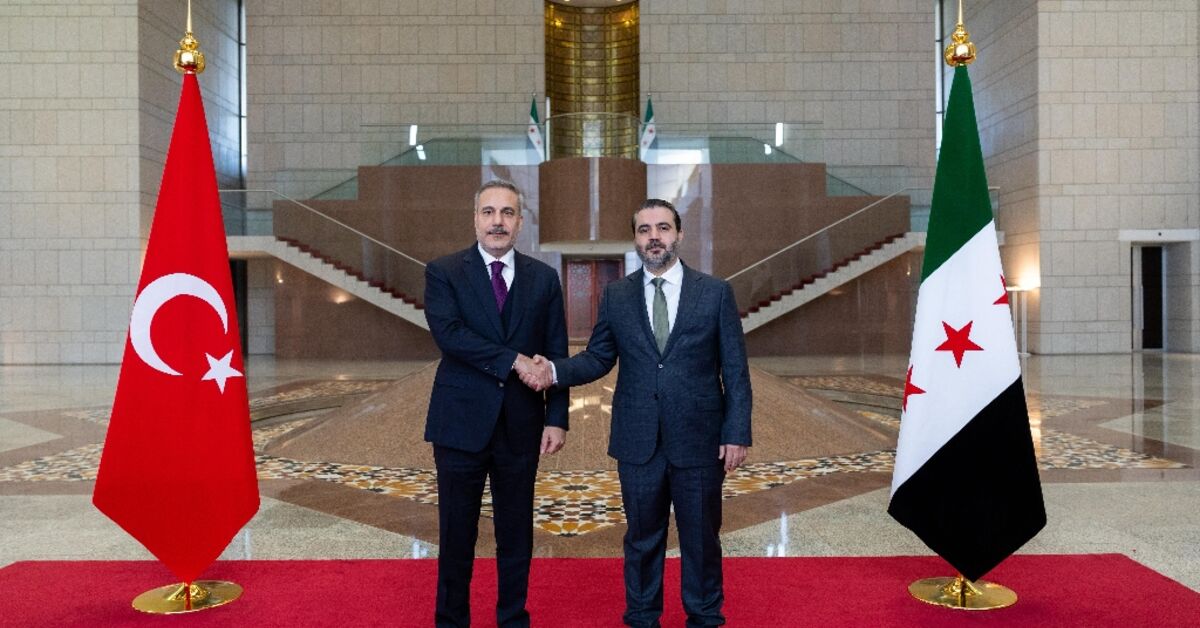
Adding another layer of complexity is Turkey’s involvement. Just prior to the clashes, Turkish Foreign Minister Hakan Fidan, along with key defense and intelligence officials, held meetings with Syrian President Bashar al-Assad. Ankara views the presence of Kurdish forces along its border as a significant security threat and has consistently advocated for their removal or, as is now being pushed, their integration into the Syrian army.
Fidan explicitly stated the importance of a “transparent” integration process, emphasizing that the SDF should no longer be seen as an obstacle to Syria’s stability and territorial integrity. His comments suggest a lack of faith in the SDF’s willingness to fully commit to the integration process, claiming they have not shown significant progress. This external pressure is undoubtedly impacting the dynamics between Damascus and the Kurds, making an agreement even more difficult to reach. The concept of Syrian stability is central to Turkey’s rationale, viewing it as intrinsically linked to its own national security.
تفاصيل مقترح دمشق للاندماج (Details of Damascus’ Proposal for Integration)
Damascus recently presented its first written proposal for integrating the SDF, offering a framework outlined to include a division of the forces into three divisions and multiple brigades. Reportedly, a specific female brigade is included in this structure. These units would remain under the command of SDF leaders but operate within the broader Syrian army framework, positioned in areas of Kurdish-controlled northeast Syria.
While the proposal is a step forward, details remain contentious. The SDF is reportedly reviewing the plan, evaluating whether it adequately addresses their concerns regarding autonomy, security, and representation within the central government. The international community, including the US, is also closely monitoring the negotiations, attempting to facilitate a peaceful resolution and prevent a further deterioration of the security situation. Finding a suitable arrangement that satisfies both Syrian government and Kurdish interests remains a critical challenge. This process of political reconciliation is essential for long-term peace.
تحديات التنفيذ والمصالح المتضاربة (Implementation Challenges and Conflicting Interests)
The March agreement, while creating a pathway for potential resolution, faces significant hurdles. Differences in opinion regarding the level of autonomy the Kurds will retain, the future of their political institutions, and the deployment of forces are all hindering progress. Furthermore, internal dynamics within the Syrian opposition, referred to as “factions affiliated with the interim government” in recent reports, appear to be actively undermining the ceasefire and negotiations through sporadic attacks.
The Syrian government is also focused on combating the resurgence of the Islamic State (ISIS) group. Discussions between Syrian and Turkish officials also centered around this issue, potentially highlighting a shared security interest in eliminating the extremist threat. However, this shared goal doesn’t necessarily translate into agreement on the Kurdish question, as Turkey’s primary focus remains on neutralizing perceived Kurdish militants.
مستقبل الاندماج والاستقرار في سوريا (The Future of Integration and Stability in Syria)
The current ceasefire represents a temporary respite, and the long-term prospects for SDF integration and overall stability in Syria remain uncertain. The pressure from Turkey, coupled with the mutual distrust between the Syrian government and the SDF, creates a volatile environment. Successful implementation of the March agreement requires genuine dialogue, compromises on both sides, and a commitment to addressing the legitimate concerns of all parties involved.
Furthermore, the involvement of external actors, particularly the US, will be crucial in ensuring that the integration process doesn’t lead to further conflict or the disenfranchisement of the Kurdish population. Without a comprehensive and inclusive approach, the risk of renewed violence and continued instability remains high. Continued monitoring of the situation and engagement in diplomatic efforts are vital to navigating this complex political landscape and fostering a lasting solution. The situation demands close attention and strategic regional security cooperation.


