





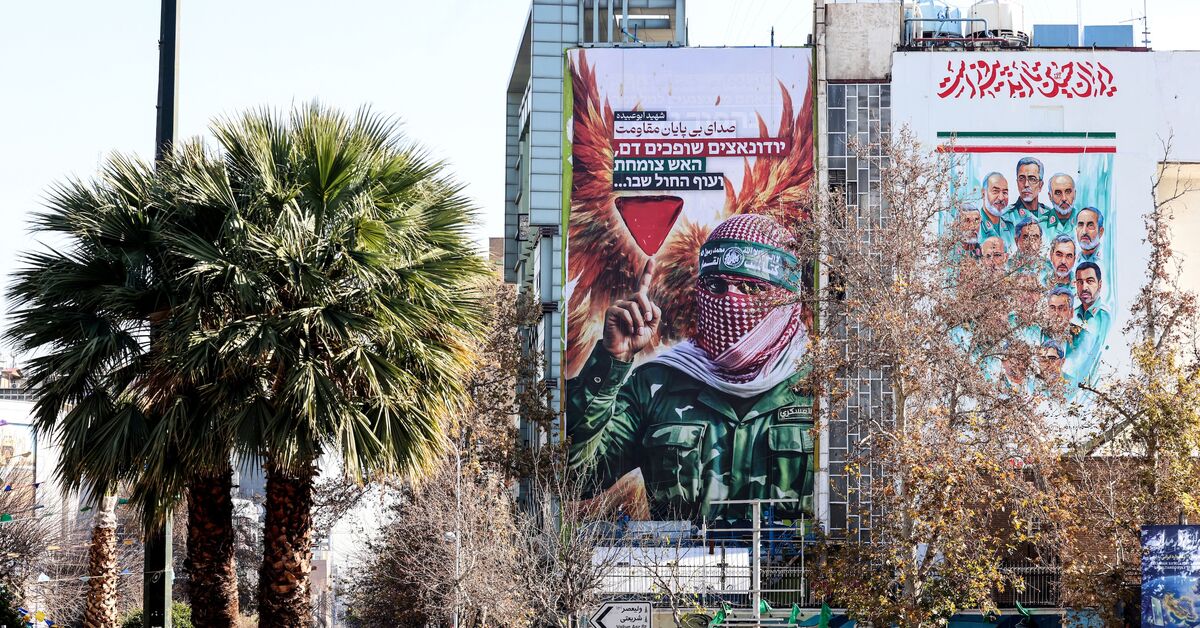
With mounting casualties following almost a week of widespread protests, the situation in Iran is becoming increasingly volatile. The recent intervention by former US President Donald Trump, with his offer to “rescue” the demonstrators, has significantly escalated tensions, placing the Iranian government in a difficult position – managing internal unrest while simultaneously addressing concerns about potential تدخل أجنبي في إيران (foreign intervention in Iran). This article will delve into the complexities of the current crisis, the impact of external factors, and the possible future scenarios for the Islamic Republic.
تصاعد الاحتجاجات وتصريحات ترامب (Escalating Protests and Trump’s Statements)
The demonstrations, initially sparked by the death of Mahsa Amini while in the custody of morality police, have quickly evolved beyond grief and anger over a single incident. They now represent a broader expression of discontent with economic hardship, social restrictions, and political repression. Protests are occurring across dozens of cities, and reports indicate a diverse range of participants, including students, women, and members of ethnic minorities.
Trump’s statement, widely perceived as a call for regime change, resonated deeply within Iran. Tehran views it as a deliberate attempt to exploit existing internal vulnerabilities and bolster opposition groups. This rhetoric fuels existing narratives surrounding external threats, allowing the government to justify stricter crackdowns on protesters as necessary measures to protect national sovereignty. The intensity of the الأزمة الإيرانية (Iranian crisis) is now compounded by this external dimension.
ردود الفعل الإيرانية على تصريحات ترامب (Iranian Reactions to Trump’s Statements)
Iranian officials have vehemently condemned Trump’s remarks, labeling them as “meddling” and “hypocritical.” Supreme Leader Ayatollah Ali Khamenei, while acknowledging the pain caused by Amini’s death, has warned against any attempts to destabilize the country. Government media has consistently portrayed the protesters as agents of foreign powers, seeking to undermine the Islamic Republic. This framing attempts to delegitimize the protests in the eyes of the public and justify the use of force. These sentiments demonstrate a heightened sensitivity to الوضع في إيران (the situation in Iran).
دوافع الاحتجاجات الداخلية (Motivations Behind Internal Protests)
While external factors are undeniably influencing the situation, the roots of the unrest lie firmly within Iran itself. Decades of economic mismanagement, coupled with international sanctions, have led to soaring inflation, unemployment, and a decline in living standards. These economic pressures disproportionately affect young Iranians, who face limited opportunities and a bleak future.
Furthermore, stringent social regulations – particularly those affecting women’s freedoms – have created widespread frustration. The mandatory hijab, restrictions on personal expression, and limited access to social and political participation contribute to a growing sense of resentment towards the ruling establishment. The protests are fueled by a desire for fundamental change, encompassing both economic and social reforms.
تدهور الأوضاع الاقتصادية وتأثيرها (Deteriorating Economic Conditions and Their Impact)
The collapse of the nuclear deal, formally known as the Joint Comprehensive Plan of Action (JCPOA), has further exacerbated Iran’s economic woes. Increased sanctions have restricted oil exports, crippled key industries, and led to a significant devaluation of the Iranian rial. This economic downturn has fueled public anger and created a fertile ground for dissent, strengthening the ongoing احتجاجات إيران (Iran protests).
المخاطر المحتملة لتصعيد التوترات (Potential Risks of Escalating Tensions)
The interplay between internal unrest and external intervention carries significant risks, both for Iran and the wider region. A further escalation could lead to a more violent crackdown by the government, resulting in a greater loss of life and potential human rights abuses. This, in turn, could radicalize the opposition and push the situation towards a protracted conflict.
Additionally, the heightened tensions surrounding the الوضع السياسي في إيران (political situation in Iran) raise the specter of a direct confrontation between Iran and the United States or its regional allies. Such a conflict could have devastating consequences for regional stability and global energy markets. Some analysts worry about proxy wars intensifying, with regional powers backing opposing sides.
سيناريوهات مستقبلية محتملة (Possible Future Scenarios)
Several potential scenarios could unfold in the coming weeks and months. These range from a gradual de-escalation through economic concessions and limited social reforms, to a full-scale regime change, and everything in between. It’s also possible that the protests could be suppressed through brute force, leading to a period of increased repression and a further alienation of the population. The influence of external actors and the internal dynamics of Iranian society will be crucial in determining the ultimate outcome.
In conclusion, the ongoing unrest in Iran represents a complex and multifaceted crisis. The mounting casualties, coupled with Donald Trump’s provocative statements regarding “rescue” efforts, have dramatically escalated tensions and intensified fears of تدخل أجنبي في إيران. The situation calls for a nuanced understanding of the internal drivers of the protests, as well as the potential consequences of external interference. It also emphasizes the importance of de-escalation, dialogue, and a commitment to addressing the legitimate grievances of the Iranian people.
We encourage readers to follow reliable news sources to stay informed about the evolving situation and to consider the broader implications of these events for regional and global security. Sharing this article and engaging in respectful discussion can contribute to a better understanding of this crucial issue. The future of Iran, and potentially the region, hangs in the balance.


