






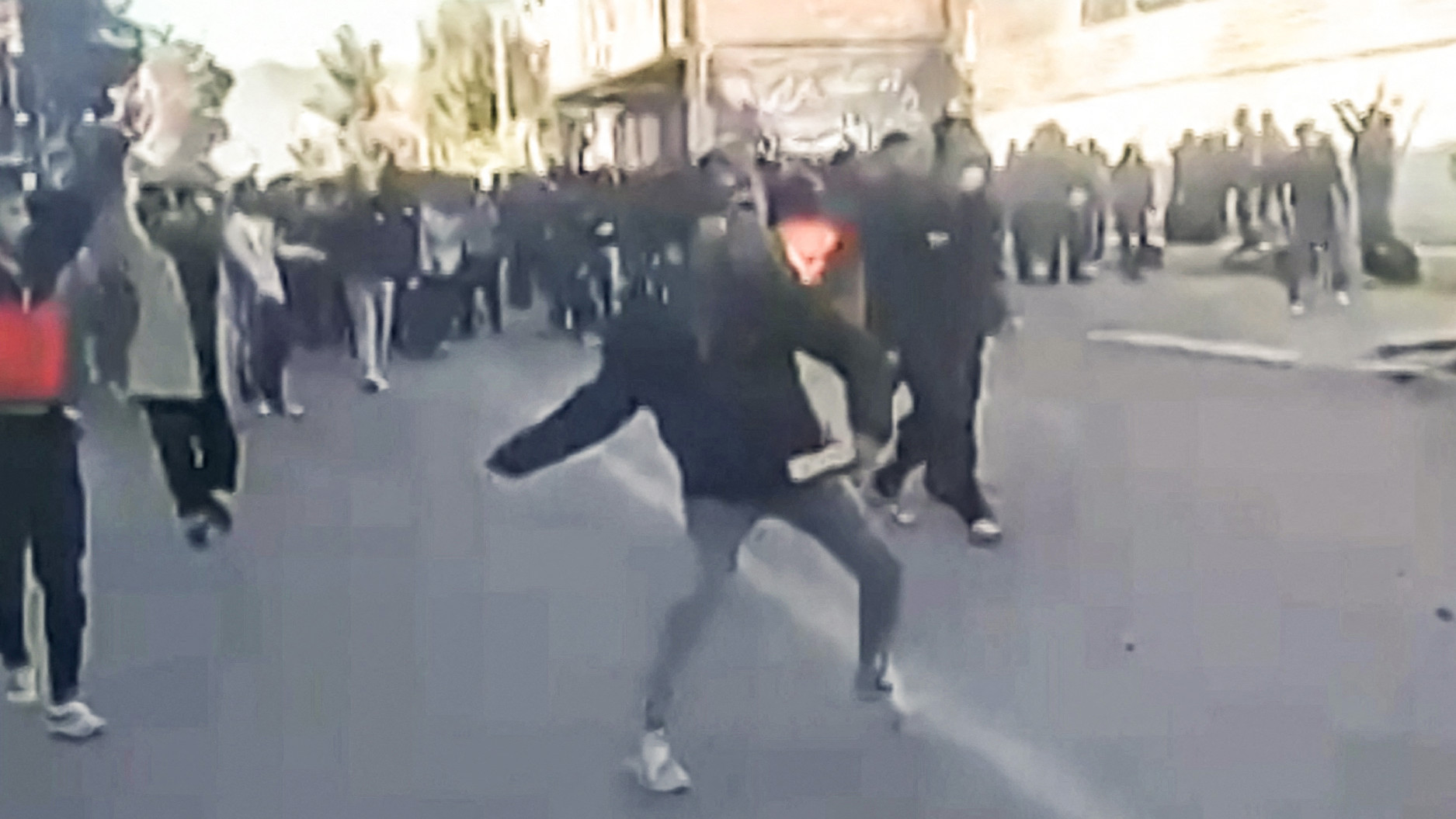
The escalating unrest in Iran, initially sparked by economic grievances, has rapidly transformed into widespread protests challenging the authority of the ruling government. What began as a strike by merchants in Tehran has quickly spread to over 30 cities, resulting in deadly clashes with security forces and raising concerns about the stability of the Islamic Republic. This article examines the origins of the current wave of demonstrations, the factors fueling their expansion, and the government’s response to the growing crisis.
Where Did the Iran Protests Begin and Why?
The initial signs of discontent surfaced on Sunday in central Tehran, concentrated around the Alaedin mobile phone market and Sabzeh Meidan, the city’s central currency exchange. Shopkeepers in the historic Grand Bazaar, known as bazari, swiftly joined the movement, closing their doors in solidarity. The immediate trigger for these actions was the dramatic volatility and decline of the Iranian rial, impacting the daily lives of citizens and businesses alike.
The Iranian rial has been steadily losing value against the US dollar for months, leading to soaring inflation and a significant increase in the cost of living. By Sunday, the exchange rate had reached 1.45 million rials per dollar, a stark contrast to the 55,000 rials per dollar in 2018 when US sanctions were reimposed. Traders in Tehran were reportedly refusing to trade, with electronic exchange boards displaying nothing but blank screens. This collapse of the rial is a critical indicator of Iran’s economic health, and a source of growing frustration for the population.
Economic Factors Fueling the Unrest
While the plummeting currency was the initial catalyst, the protests were fueled by a confluence of economic pressures. Rising petrol prices and the unveiling of the new fiscal year’s budget played significant roles in escalating the situation.
Iran boasts some of the lowest petrol prices globally, with the government heavily subsidizing fuel consumption. Currently, citizens receive 60 liters per month at a subsidized rate, with a higher tier available for increased consumption. However, in December, a new price tier was introduced for users exceeding 160 liters per month, increasing the cost per liter significantly. This move, intended to curb consumption, risked reigniting the widespread unrest seen in 2019 when a fuel price hike led to over 321 deaths at the hands of security forces.
Adding to the economic strain, the government’s new budget proposed increased taxes on businesses and individuals while projecting lower revenue from oil and gas sales due to ongoing sanctions. This raised concerns about the state’s ability to secure sufficient foreign currency for essential imports, further exacerbating the economic hardship faced by Iranians. These combined pressures created a perfect storm, leading to the bazaar strike and the subsequent protests.
The Power of the Tehran Bazaar Strikers
Strikes within Tehran’s Grand Bazaar are not unprecedented. The bazari – a historically influential economic group – have frequently utilized shop closures to voice their demands and pressure the government into negotiation. However, their influence extends far beyond retail sales. The bazaar is a hub for significant financial transactions, with behind-the-scenes deals worth millions of dollars being routinely conducted.
The tradition of bazaar shutdowns dates back to the early 20th century, playing a crucial role in the Constitutional Revolution (1905-11) as a source of support for revolutionary forces. In 1963, bazaar merchants joined protests against the Shah’s dictatorship, and their alliance with religious authorities solidified during the 1979 Islamic Revolution, granting them considerable political influence in the post-revolution era. This historical precedent underscores the potential impact of the current strike.
Government Response to the Growing Protests
Recognizing the economic and political significance of the Tehran bazaar, the government responded swiftly, initiating meetings with leading merchants and business figures. Offers of tax breaks, a suspension of tax fines, and access to subsidized foreign currency for imports were presented in an attempt to appease traders.
On Tuesday, Mohammad Reza Farzin resigned as governor of the Central Bank of Iran, following a similar departure by his predecessor amid the rial’s sharp decline. His replacement, Abdolnaser Hemmati, pledged to stabilize the foreign currency market.
Simultaneously, the government shut down state offices and commercial centers in Tehran, citing cold weather, and moved university classes online, aiming to prevent the protests from spreading to campuses – historically a hotbed of anti-government sentiment.
How the Protests Spread Across Iran
Despite these measures, the unrest quickly spread beyond Tehran, echoing the 2022 anti-government demonstrations sparked by the death of Mahsa Amini. However, unlike previous instances where Tehran was the primary focal point, this wave of protests has been more geographically dispersed, concentrating in smaller cities outside the capital.
Western and southwestern regions, home to Kurdish, Luri, Arab, and Turk minorities, witnessed some of the earliest demonstrations. Clashes were reported in Hamadan on Tuesday, and protesters stormed the governor’s office in Kuhdasht on Wednesday, resulting in at least one fatality. State media initially identified the deceased as a member of the Basij paramilitary force, but his father disputed this claim, stating he was a protester.
The most intense clashes occurred on Thursday in the city of Azna, where at least three people were killed and 17 injured. On Friday, protests erupted in Zahedan, southeastern Iran, following Friday prayers, with supporters of prominent Sunni cleric Molavi Abdolhamid participating.
What’s Next for Iran?
Given past patterns, authorities are likely to employ force to suppress the demonstrations. However, the protests have persisted despite the rising death toll. The situation was further complicated by comments from US President Donald Trump, who threatened intervention if civilians were harmed, a statement that Iranian officials quickly denounced as interference and a justification for a harsher crackdown.
The future remains uncertain, but the ongoing protests demonstrate a persistent defiance among the Iranian population, even amidst a heavy security presence. The economic crisis, coupled with long-standing political grievances, suggests that the unrest is unlikely to subside quickly, and the situation warrants close monitoring.


