





The recent wave of unrest in Iran, stretching over two weeks, represents a pivotal moment for the Islamic Republic. While the demonstrations, sparked initially by economic grievances, have evolved into widespread calls for systemic change, analysts caution against predicting an immediate collapse of the theocratic leadership. The scale and nature of these Iran protests are undeniably the most significant challenge the regime has faced in years, yet its deeply entrenched power structures remain resilient. This article examines the key factors that will determine the future trajectory of the Islamic Republic and the potential outcomes of the ongoing crisis.
The Escalation of Discontent: From Economic Grievances to Political Demands
The initial trigger for the protests was rising living costs and perceived economic mismanagement. These economic complaints quickly broadened, fueled by long-standing frustrations with political restrictions, social controls, and the perceived corruption within the governing system. The demonstrations swiftly moved beyond economic demands to encompass calls for a fundamental transformation of the theocratic structure, established after the 1979 revolution.
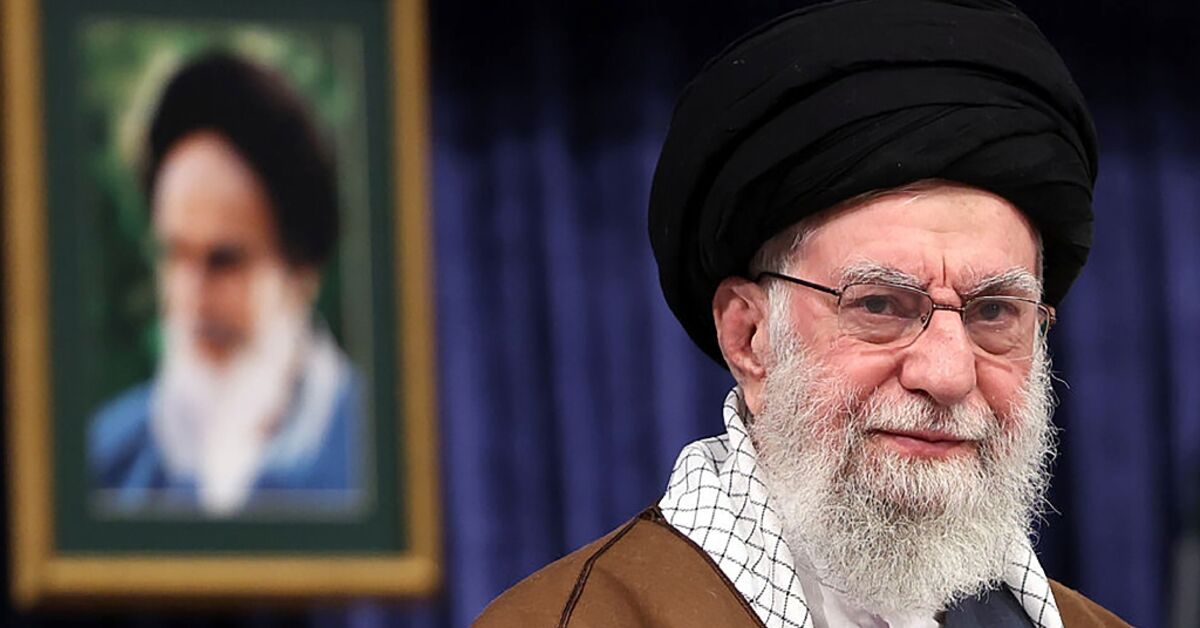
This shift in focus is crucial. Unlike previous localized economic protests, the current movement directly challenges the core tenets of the Islamic Republic and the authority of its Supreme Leader, Ayatollah Ali Khamenei. The suppression of these voices, employing increasingly forceful tactics, only seems to prolong the crisis.
Analyzing the Regime’s Strength and Weaknesses
Several factors are being closely observed by analysts assessing the regime’s stability. The first, and arguably most important, is the sustainability of the protests themselves. While momentum is currently building, reaching a “critical mass” – a level of participation that overwhelms the state’s capacity to control – remains uncertain. The Iranian government has responded with a harsh crackdown, resulting in hundreds of reported deaths and widespread arrests, according to human rights organizations.
The Repressive Apparatus: A Formidable Obstacle
Nicole Grajewski, a professor at Sciences Po Centre for International Studies in Paris, highlights the “sheer depth and resilience of Iran’s repressive apparatus.” This apparatus, including the security forces and Revolutionary Guards (IRGC), has proven effective in quashing dissent in the past. Hampering assessment of the protest scale, Iranian authorities also implemented a multi-day internet shutdown, significantly reducing the availability of on-the-ground reporting and video evidence.
Furthermore, the lack of unified leadership and well-organized networks within the protest movement remains a significant impediment. Arash Azizi, a lecturer at Yale University, points out that “the protesters still suffer from not having durable organised networks that can withstand oppression.” The possibility of coordinating strategic strikes, a potentially impactful tactic, is limited by this organizational deficit.
Internal Cohesion: The Key to Regime Survival
The situation on the streets is paramount, but the unity—or lack thereof—within the Iranian elite is equally crucial. Without significant cracks within the security forces or among the leadership, a successful transition of power feels unlikely. Currently, there are no visible signs of defections or internal splits.
All branches of the Iranian government, from parliament to the presidency and the powerful IRGC, have publicly rallied behind Ayatollah Khamenei and his defiant stance against the protestors. Jason Brodsky, policy director at United Against Nuclear Iran, described the protests as “historic”, but stressed the necessity of “defections in the security services and cracks in the Islamic republic’s political elite” for the regime to potentially fall. This highlights the importance of elite dynamics in the unfolding situation.
External Factors and Potential Intervention
The possibility of external involvement, particularly from the United States and Israel, is also being considered. Tensions have been escalating, with former US President Donald Trump issuing threats of retaliation and imposing further economic sanctions on Iran. The brief conflict involving Israel and Iran in June, which resulted in the deaths of high-ranking Iranian security officials and revealed vulnerabilities within Iran’s defenses, further complicates the landscape.
A direct US military intervention would be a game-changer. According to Grajewski, it would “fundamentally alter the trajectory of the crisis.” While the current US administration emphasizes a diplomatic approach, the potential for escalation remains a concern. The Iranian foreign ministry has signaled a willingness to maintain communication channels with Washington, despite the absence of formal diplomatic relations. The specter of geopolitical risks hangs heavy over the situation.
The Shadow of Succession and Future Scenarios
Ayatollah Khamenei, now 86, has been in power since 1989. The question of succession looms large, as there is no clear consensus on who will replace him. Potential candidates include his influential son, Mojtaba, or a collective leadership structure.
Thomas Juneau, professor at the University of Ottawa, offers a cautious assessment: “At this point, I still don’t assess that the fall of the regime is imminent. That said, I am less confident in this assessment than in the past.” He suggests a possible “more or less formal takeover by the Revolutionary Guards” as a potential outcome if the current power dynamics remain unchanged.
Conclusion: A Precarious Moment for Iran
The Iran protests represent a significant challenge to the Islamic Republic, fueled by deep-seated economic and political grievances. While the regime appears stable for now, bolstered by its security apparatus and internal cohesion, the situation remains highly volatile. The protests’ sustainability, potential for elite defections, and the role of external actors will be critical in determining the future of Iran.
The coming weeks and months will be crucial. Continued monitoring of the situation, analysis of evolving dynamics, and a nuanced understanding of the internal and external pressures facing Iran will be essential for predicting the next chapter in this unfolding crisis.


