






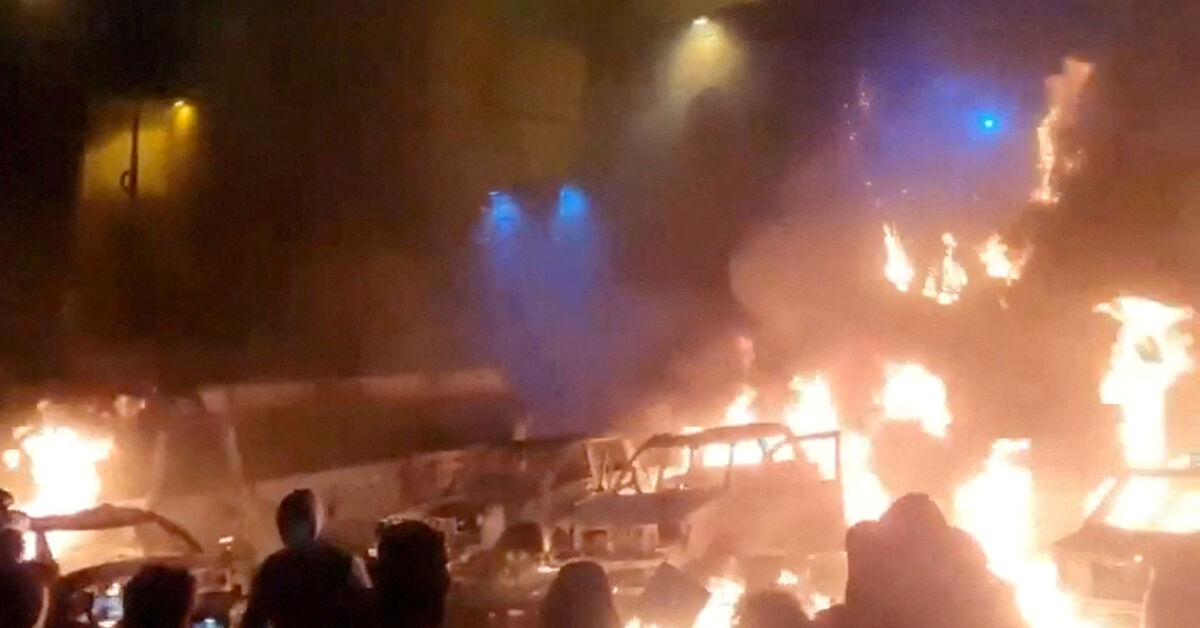
The escalating unrest in Iran continues to grip the nation, with the Iranian army now stepping in to safeguard critical infrastructure amidst the most significant protests the country has witnessed in years. The situation, sparked initially by economic grievances, has rapidly evolved into a widespread challenge to the authority of the clerical establishment. This article will delve into the latest developments, including the military’s response, international reactions, and the growing calls for change within Iran, focusing on the current Iran protests.
Military Intervention and Security Concerns
The Iranian army issued a statement on Saturday, January 10th, pledging to protect strategic assets and public property. This move signals a significant escalation in the government’s response to the ongoing demonstrations. The army’s declaration came shortly after warnings from U.S. President Donald Trump and expressions of support for the Iranian people from Secretary of State Marco Rubio.
The military emphasized its commitment to defending national interests and maintaining public security, accusing Israel and “hostile terrorist groups” of attempting to destabilize the country. This accusation mirrors similar claims made by Iranian authorities in the past, often used to justify crackdowns on dissent. The army operates independently from the Islamic Revolutionary Guard Corps (IRGC), another powerful security force already deployed to quell the unrest, both ultimately answerable to Supreme Leader Ayatollah Ali Khamenei.
Reports of Violence and Internet Blackout
Reports emerging from the ground paint a grim picture. State media reported a municipal building being set ablaze in Karaj, west of Tehran, attributing the act to “rioters.” Simultaneously, state television broadcast footage of funerals for security personnel allegedly killed during protests in Shiraz, Qom, and Hamedan.
A critical aspect of the government’s strategy has been the imposition of a widespread internet blackout, hindering the flow of information and limiting the ability of protesters to organize. A witness in western Iran, speaking anonymously for safety reasons, reported the deployment of the IRGC and the use of live fire in the area. Doctors in northwestern Iran have also reported a surge in injured protesters, many suffering from severe beatings, head injuries, and gunshot wounds.
International Response to the Iranian Uprising
The international community has been closely monitoring the situation in Iran. The United States has been particularly vocal, with President Trump issuing warnings to Iranian leaders and expressing hope for the safety of the protesters. However, his administration has also signaled a cautious approach, refraining from immediate endorsement of opposition leaders like Reza Pahlavi, the son of the last Shah.
Meanwhile, leaders from France, Britain, and Germany issued a joint statement condemning the violence against protesters and urging Iranian authorities to exercise restraint. This unified stance highlights the growing international concern over the escalating crisis and the human rights implications of the government’s response. The economic crisis in Iran is also a key factor driving international attention.
The Rise of Reza Pahlavi and Calls for Regime Change
Adding another layer to the complexity of the situation is the emergence of Reza Pahlavi as a prominent voice of the opposition. Based in the United States, Pahlavi has been actively urging protesters to seize control of city centers and calling for a nationwide strike by workers in key sectors, including transportation, oil, and gas.
His calls resonate with some protesters, as evidenced by slogans like “Long live the shah” heard on the streets. However, the majority of chants remain focused on demanding an end to clerical rule and addressing the dire economic conditions plaguing the country. The future of Iran is increasingly uncertain as these calls for change grow louder.
Khamenei’s Response and Accusations of Foreign Interference
Supreme Leader Ayatollah Ali Khamenei has directly addressed the protests, accusing demonstrators of acting on behalf of foreign powers, specifically referencing Donald Trump. He warned against attacks on public property and vowed that Tehran would not tolerate “mercenaries for foreigners.”
This rhetoric is consistent with the Iranian government’s long-standing narrative of blaming external forces for internal unrest. The Revolutionary Guards have also reported casualties among their Basij security force, attributing the deaths to “armed rioters.” These accusations and reports serve to justify the ongoing crackdown and reinforce the government’s narrative of defending the Islamic Revolution.
The Scale of the Protests and Arrests
The current wave of protests, which began approximately two weeks ago in response to soaring inflation, has quickly transformed into a broader political movement demanding fundamental change. Human rights groups estimate that at least 65 people have been killed, including 50 protesters and 15 security personnel, as of January 9th. HRANA, an Iranian rights group, reports over 2,500 arrests in the past two weeks.
These figures underscore the scale of the unrest and the severity of the government’s response. The protests represent the most significant internal challenge to Iran’s clerical rulers in at least three years, particularly acute given the country’s fragile economic situation and recent geopolitical tensions.
In conclusion, the Iran protests represent a critical juncture for the nation. The military’s intervention, coupled with the government’s crackdown and the international community’s response, will shape the trajectory of this unfolding crisis. The calls for change, fueled by economic hardship and political discontent, are unlikely to subside easily, and the future of Iran remains deeply uncertain. Further developments will undoubtedly require continued monitoring and analysis.


