


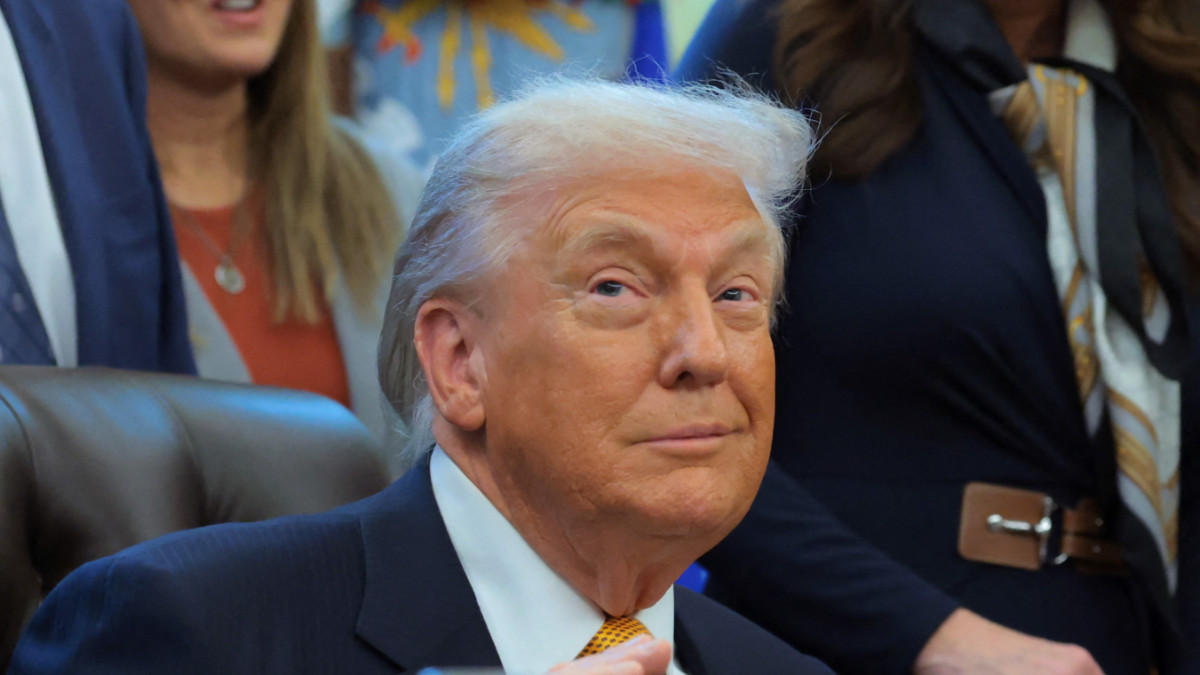
The potential for a lasting peace in the Middle East is once again a central topic of discussion, particularly with former US President Donald Trump’s ambitious new “Board of Peace” set to be unveiled at the Davos Economic Forum. However, the initial steps towards implementing this vision, specifically the proposed internationalization of the Gaza Strip, are already causing friction with key ally Israel, raising questions about the board’s effectiveness and the future of the region. This article delves into the details of Trump’s plan, the composition of the board, and the concerns it has sparked, focusing on the evolving dynamics surrounding Gaza governance.
Trump’s “Board of Peace” and the Focus on Gaza
Donald Trump intends to present his “Board of Peace” as a groundbreaking initiative during the World Economic Forum in Davos, Switzerland. The board, populated with staunch Trump supporters like US Secretary of State Marco Rubio and envoy Steve Witkoff, aims to resolve global conflicts through a novel approach. American billionaire Marc Rowan and King Mohammed VI of Morocco are also confirmed members, signaling a diverse, albeit politically aligned, group.
While the board’s charter doesn’t explicitly mention Gaza, experts believe the devastated enclave is intended to be a primary testing ground for this new diplomatic strategy. Marwa Maziad, a Middle East and security expert at the University of Maryland, suggests Trump envisions “franchising” the board’s model to other conflict zones like Venezuela and Ukraine, offering participation with the implicit threat of further instability for those who decline. This aggressive approach to peacemaking is already raising eyebrows.
A Dual Structure: The Board and the Gaza Executive Board
The plan extends beyond the overarching “Board of Peace” to include a dedicated “Gaza Executive Board” tasked with the practicalities of establishing new governance structures. Notably, several individuals sit on both boards, including Marc Rowan and Jared Kushner, Trump’s son-in-law. The inclusion of Yakir Gabay, a Cypriot-Israeli tycoon with close ties to Kushner, and a senior official from the UAE, a nation with burgeoning ties to Israel, demonstrates an attempt to build a broad coalition.
However, the inclusion of representatives from Turkey and Qatar is proving particularly contentious. These nations have historically maintained close relationships with Hamas, a point of significant concern for Israel. This overlap in membership highlights the complex web of relationships Trump is attempting to navigate.
Israeli Concerns and Pushback Against Qatar and Turkey
Israeli Prime Minister Benjamin Netanyahu has publicly expressed his “disagreement” with the composition of the advisory council, specifically targeting the inclusion of Qatari diplomat Ali al-Thawadi and Turkish Foreign Minister Hakan Fidan. Netanyahu has instructed his foreign minister to directly address the issue with the US Secretary of State.
Qatar’s role as host to Hamas leadership, at the request of the United States, is a known quantity. However, Turkey’s vocal support for Hamas, with President Erdogan referring to its members as “freedom fighters,” and Fidan’s efforts to rehabilitate Syrian President Bashar al-Assad – a move opposed by Netanyahu – are seen as actively undermining Israeli interests.
Israel fears that the presence of Turkey and Qatar on the board could pave the way for the deployment of troops as part of a future “International Stabilisation Force” in Gaza, a prospect they strongly resist. The UN approved a mandate for such a force in November, but its deployment is stalled due to Arab and Muslim nations’ reluctance to confront Hamas without a clear commitment to disarmament.
The Potential for an International Presence in Gaza
Maziad believes the inclusion of Turkey and Qatar significantly increases the likelihood of a foreign military presence in Gaza, suggesting they would collaborate effectively with Egyptian forces already operating in the region. Netanyahu, however, vehemently denies this possibility, stating “There will be no Turkish or Qatari soldiers in the Gaza Strip.”
Aaron David Miller, a former State Department negotiator, suggests Netanyahu’s strong denial is primarily for domestic consumption. He believes Trump is determined to include Qatar and Turkey, and while this has caused friction with Israel, it doesn’t represent a fundamental rift. He emphasizes that the core issue remains Trump’s leverage over Israel and the influence of regional players like Qatar, Turkey, and Egypt over Hamas.
The question of post-conflict reconstruction in Gaza is also intrinsically linked to this internationalization debate. Without a stable governance structure and international support, rebuilding the enclave will remain a monumental challenge.
The Role of the UAE and Nikolay Mladenov
The UAE’s involvement, through a senior official on the board, is noteworthy given its recent normalization of relations with Israel under the Abraham Accords. Furthermore, the appointment of former UN envoy Nikolay Mladenov as the “High Representative for Gaza” signals a strategic move to bridge the gap between the Gaza Executive Board and the Palestinian technocratic committee responsible for administering the enclave.
Mladenov, who previously fostered a strong working relationship with Jared Kushner during the Abraham Accords negotiations, is seen as a capable diplomat, despite past complexities in his relationship with Hamas. His role will be crucial in facilitating communication and coordination between the various stakeholders involved in Gaza’s future.
A Distraction or a Genuine Opportunity?
Ultimately, the success of Trump’s “Board of Peace” hinges on its ability to address the fundamental challenges facing Gaza. Miller argues that the board is a “misplaced solution” and a distraction from the painstaking work of solidifying the fragile ceasefire. He points out that the board won’t magically resolve the deep divisions within Gaza, where Israel controls slightly more than half the territory and Hamas governs the rest.
While the initiative has generated significant attention, it remains to be seen whether it will translate into tangible progress on the ground. The coming weeks at the Davos Forum will be critical in shaping the board’s agenda and determining its potential impact on the future of Gaza and the broader Middle East. The key will be moving beyond symbolic gestures and focusing on concrete steps towards a sustainable and inclusive solution for Gaza governance.


