






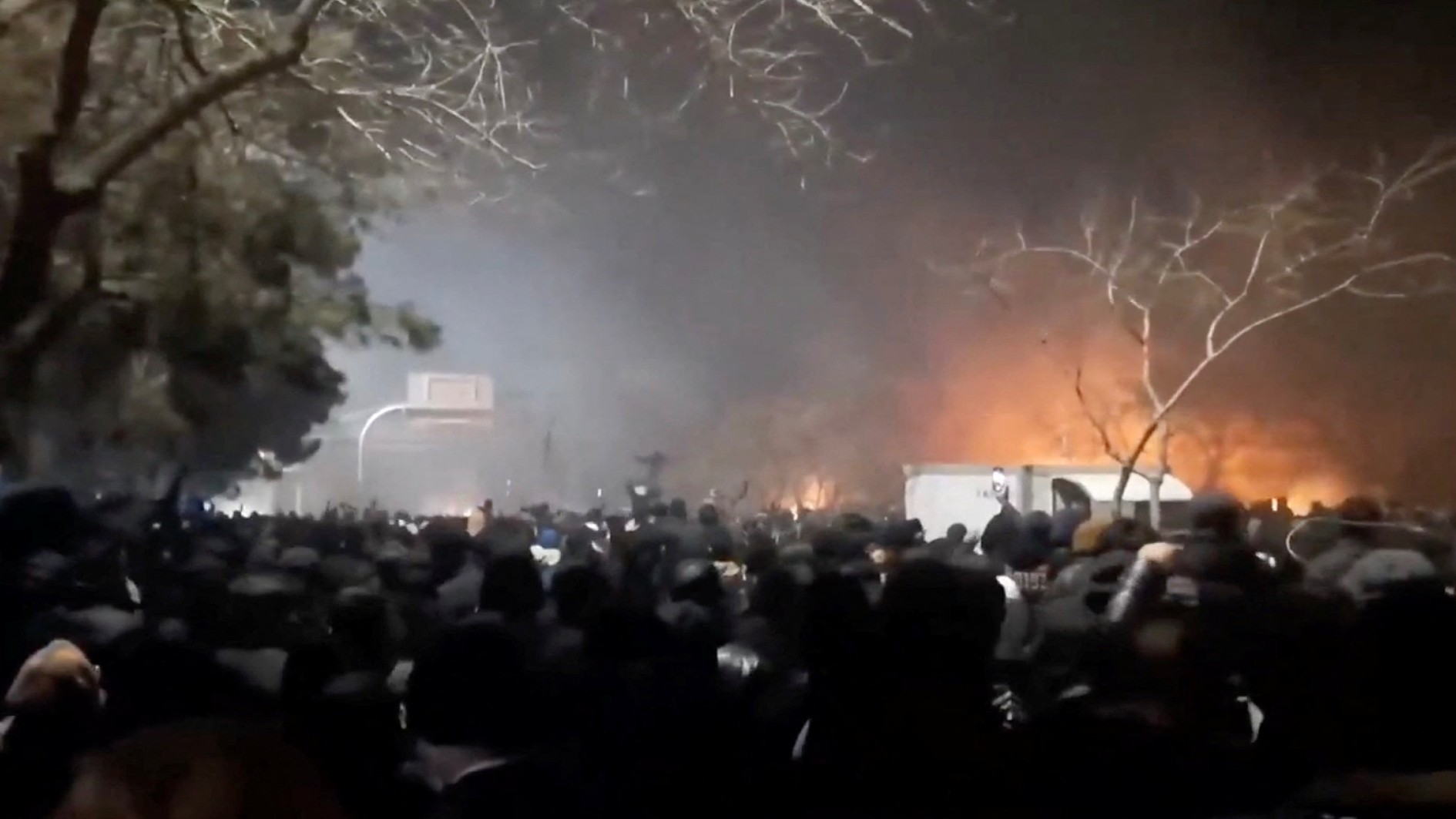
The recent wave of protests sweeping across Iran has ignited a complex and often contradictory response, particularly within Israeli social media. While official Israeli statements have been muted, a surge of commentary from former officials, activists, and commentators reveals a palpable sense of anticipation, and even celebration, regarding the potential downfall of the Iranian government. This article delves into the Israeli reaction to the Iranian protests, the strategic considerations driving the official silence, and the diverse perspectives within Israeli society.
تصاعد الاحتجاجات في إيران وردود الفعل الإسرائيلية (Escalating Protests in Iran and Israeli Reactions)
Protests initially sparked by rising prices of essential goods have rapidly evolved into widespread demonstrations challenging the very foundations of the Islamic Republic. Slogans like “death to the dictator,” directly targeting Supreme Leader Ali Khamenei, echo through cities across Iran, met with a forceful response from authorities including a near-total internet blackout – a tactic employed previously to stifle dissent. This unrest has coincided with a noticeable increase in open discussion, and often enthusiastic support, for regime change originating from within Israel.
صمت القيادة الإسرائيلية: حسابات استراتيجية (Israeli Leadership’s Silence: Strategic Calculations)
Despite the visible excitement among certain segments of the Israeli population, the country’s political leadership has largely refrained from public comment. Israeli media reports indicate that security agencies have advised against statements that could be construed as interference. The concern is that overt support would allow the Iranian government to bolster its narrative of foreign orchestration – specifically, blaming Israel and the United States – thereby potentially undermining the legitimacy of the protests in the eyes of the Iranian people. This cautious approach highlights a delicate balancing act between expressing potential benefit from a weakened Iran and avoiding actions that could inadvertently harm the protest movement.
دعوات علنية للإطاحة بالنظام (Open Calls for Overthrow of the Regime)
The silence from official channels hasn’t translated to silence across the board. Moshe Feiglin, a former far-right Knesset member, openly declared on X (formerly Twitter) that the Iranian regime is “sooner or later” destined to fall. He shifted the focus to the crucial question of who would fill the power vacuum and shape the future order in the region, posing a choice between Israel and the United States. Feiglin’s statement reflects a long-held belief within certain Israeli circles about the potential for Israel to assert greater regional influence.
Similarly, right-wing activist Yoseph Haddad shared an image on social media alongside supporters of Iran’s former monarchy, expressing hope for a future where the Israeli and pre-1979 Iranian flags would fly side-by-side in Tehran. He envisioned a future of “true coexistence” once the Islamic regime is relegated to history. This sentiment underscores the desire for normalized relations and a shift away from the decades-long animosity between the two nations.
إيران: عملاق الطاقة والمعادن النائم؟ (Iran: A Sleeping Giant of Energy and Minerals?)
Beyond political considerations, some Israeli commentators have highlighted the economic potential of a post-Islamic Republic Iran. They describe Iran as a “dormant energy and minerals giant,” possessing vast reserves of gas and other valuable resources. One popular right-wing account even suggested that limited “military assistance” could be justified to gain access to these resources, framing it as a future economic investment. This perspective, while controversial, reveals the strategic importance placed on Iran’s economic assets. The economic situation in Iran is a key driver of the protests, and this is not lost on Israeli observers.
وجهات نظر متباينة داخل إسرائيل (Diverging Views Within Israel)
However, the Israeli response isn’t monolithic. Left-wing Israelis have expressed solidarity with the protesters while simultaneously cautioning against attempts to exploit the uprising for geopolitical gain. Journalist Orly Noy, in a Facebook post, articulated the complex emotions stirred by the events in Iran, acknowledging a personal hope for future travel to her “homeland” while warning against the growing support for exiled figures like Reza Pahlavi. She criticized the aggressive and intolerant behavior of some of Pahlavi’s online supporters, raising concerns about the potential nature of any alternative regime.
Another left-wing activist voiced fears that Israel would simply seek a new enemy if Iran were to undergo a transformation, potentially reinforcing the narrative of Israeli aggression and justifying its policies towards the Palestinians. This highlights a concern that a change in Iran might not necessarily lead to a more peaceful regional dynamic. The geopolitical implications of the protests are being carefully considered.
اتهامات متبادلة وتصعيد إيراني (Mutual Accusations and Iranian Escalation)
Within Iran, officials have consistently downplayed the scale of the protests, portraying demonstrators as “vandals” acting on behalf of foreign powers. Supreme Leader Khamenei directly accused the United States of exploiting the situation, referencing past grievances and alleging American involvement in Iranian affairs. Foreign Minister Abbas Araghchi echoed these claims during a visit to Lebanon, further solidifying the official narrative.
The underlying cause of the unrest remains the dire economic conditions in Iran, exacerbated by years of US-led sanctions and internal mismanagement. Soaring inflation and a depreciating currency have left a significant portion of the population struggling to meet basic needs, fueling the widespread discontent that has now erupted into open protest.
In conclusion, the Iranian protests have triggered a multifaceted response within Israel, ranging from cautious official silence to enthusiastic public support for regime change. While strategic considerations dictate a measured approach from the government, the potential for a transformed Iran – politically, economically, and geopolitically – is a topic of intense discussion and debate. The future trajectory of the protests, and the ultimate outcome for Iran, will undoubtedly have profound implications for the entire region, and Israel’s role within it.


