






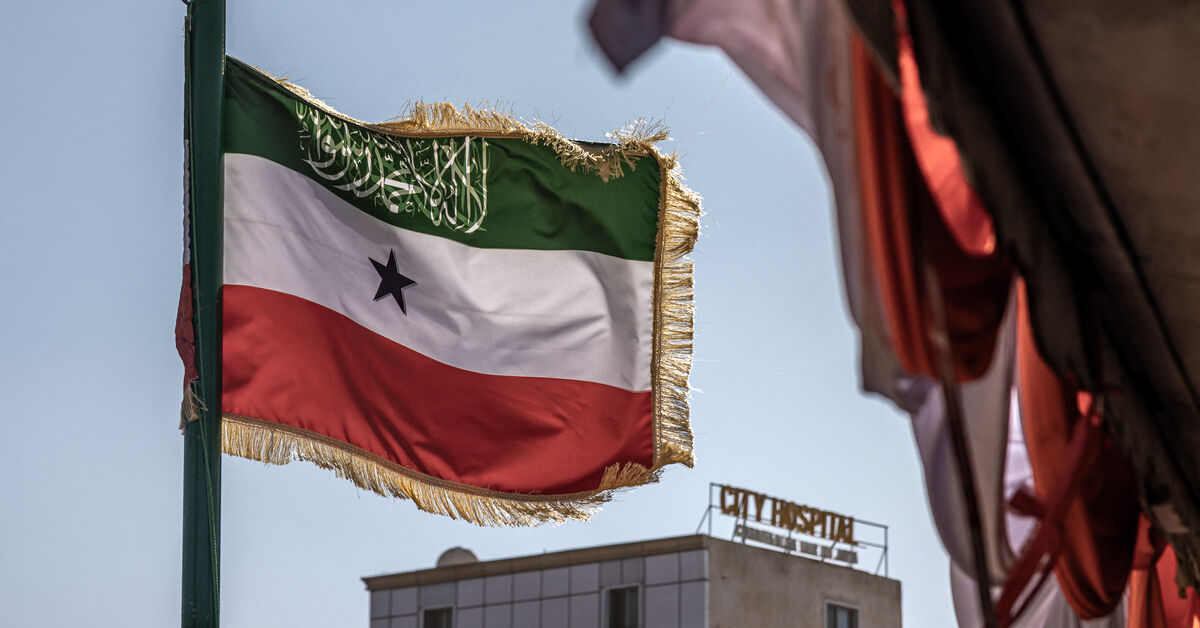
The recognition of Somaliland by Israel on Friday, December 26th, 2025, marks a significant shift in the geopolitical landscape of the Horn of Africa and has ignited a diplomatic firestorm. This unprecedented move, making Israel the first country to officially acknowledge Somaliland’s independence, has been met with strong condemnation from Turkey, a key ally of Somalia. The declaration, signed jointly by Israeli Prime Minister Benjamin Netanyahu and Somaliland President Abdirahman Mohamed Abdillahi, signals a potential deepening of ties and a strategic realignment in the region. This article will delve into the details of this recognition, its implications, and the reactions it has provoked.
Israel Officially Recognizes Somaliland: A Historic Step
In a virtual ceremony broadcast on X (formerly Twitter), Benjamin Netanyahu announced Israel’s official recognition of the Republic of Somaliland as an independent and sovereign state. He stated that a “joint and mutual declaration” had been signed with President Abdillahi, paving the way for expanded cooperation in vital sectors. “The State of Israel plans to immediately expand its relations with the Republic of Somaliland through extensive cooperation in the fields of agriculture, health, technology and economy,” Netanyahu declared. This move represents a bold step for Israel, seeking to strengthen its presence and influence in sub-Saharan Africa.
Netanyahu also revealed his intention to inform US President Donald Trump about Somaliland’s aspiration to join the Abraham Accords, the US-brokered normalization agreements between Israel and several Arab nations. President Abdillahi, in his own post on X, affirmed Somaliland’s “readiness” to participate in these accords, highlighting a desire for broader regional integration.
The Context of Somaliland’s Independence
Somaliland declared its independence from Somalia in 1991 following a civil war. Since then, it has functioned as a de facto independent state, establishing its own government, currency, and security forces. Despite maintaining a relatively stable and democratic system, Somaliland has not been formally recognized by any other country until now.
However, Somaliland has been actively pursuing diplomatic engagement, maintaining unofficial contacts with nations like Ethiopia, the United States, and the United Arab Emirates. Recent high-level visits, such as the one by US Africa Command head Gen. Dagvin Anderson earlier this month, demonstrate growing international interest in Somaliland. The UAE, in particular, has a significant presence in the region, reportedly operating a military base and controlling the port of Berbera through its company, DP World. This growing engagement underscores the strategic importance of Somaliland, especially concerning maritime security and regional trade routes.
Strong Reactions: Somalia and Turkey Condemn the Recognition
The Israeli recognition of Somaliland has been met with swift and forceful condemnation from Somalia. The Somali Foreign Ministry labeled the move a “deliberate attack” on its sovereignty and an “unlawful step,” emphasizing its commitment to maintaining territorial integrity. This reaction is particularly sensitive as Somalia is scheduled to assume the presidency of the United Nations Security Council in January, potentially allowing it to raise the issue on a global platform.
Turkey has also emerged as a vocal critic, viewing the recognition as a destabilizing act. Turkish Foreign Ministry spokesperson Oncu Keceli described it as a “new example of the Netanyahu government’s unlawful actions aimed at creating instability at both regional and global levels,” characterizing it as part of “expansionist policies.” Turkey firmly supports Somalia’s territorial integrity and has a strong strategic partnership with Mogadishu, including a significant military base and extensive economic and humanitarian aid.
Turkey’s Concerns and Regional Implications
Ankara’s strong response is rooted in its close ties with Somalia, a cornerstone of its Africa policy. Turkey’s growing energy cooperation with Somalia, including planned drilling activities along the Somali coast, further underscores its strategic interests in the region. Netanyahu’s move is perceived as a direct challenge to these interests and Turkey’s broader ambition to project influence across Africa.
Recent tensions between Turkey and Somaliland, such as Somaliland’s criticism of a meeting between the Turkish ambassador to Somalia and a Somaliland rebel leader advocating for reunification, add another layer to the current dispute. Furthermore, Turkish Foreign Minister Hakan Fidan has already engaged in discussions with his counterparts in Egypt, Saudi Arabia, and Jordan, as well as with Massad Boulos, the Trump administration’s special envoy to Africa, signaling a coordinated diplomatic effort to address the situation. The recognition of Somaliland by Israel could potentially escalate regional rivalries and complicate existing diplomatic efforts.
The Future of Somaliland and Israeli Influence
The Israeli recognition of Somaliland is a game-changer, offering the breakaway state a significant boost in its quest for international legitimacy. It also represents Israel’s continued efforts to expand its diplomatic footprint in Africa, despite setbacks like the suspension of its observer status at the African Union. The potential for Somaliland to join the Abraham Accords could further solidify its relationship with Israel and open doors to increased economic and security cooperation.
However, the path forward is not without obstacles. Somalia’s strong opposition and Turkey’s condemnation will likely continue to exert pressure on Israel and Somaliland. The international community will be closely watching how this situation unfolds, and the response from key players like the UAE, the US, and Ethiopia will be crucial in shaping the future of Somaliland and the broader geopolitical dynamics of the Horn of Africa. The recognition of Somaliland by Israel is a pivotal moment, and its long-term consequences remain to be seen. The region’s stability and the future of diplomatic relations will depend on careful navigation and a commitment to peaceful resolution. Further analysis of the Horn of Africa‘s evolving political landscape is essential to understanding the full impact of this historic decision.


