


The situation in the Gaza Strip remains deeply concerning, with recent developments signaling a potential escalation of tensions despite the existing ceasefire. Israeli forces have issued evacuation orders to Palestinian families in the southern Gaza Strip, specifically in the Bani Suhaila area east of Khan Younis, marking the first forced displacement since the truce began in October. This action raises serious questions about the future of the ceasefire and the humanitarian situation for Palestinians.
أوامر الإخلاء في غزة: تصعيد مقلق للتوترات (Evacuation Orders in Gaza: A Concerning Escalation of Tensions)
Residents of Bani Suhaila reported receiving leaflets dropped by Israeli aircraft on Monday, instructing them to immediately evacuate the Al-Reqeb neighborhood. The leaflets, printed in Arabic, Hebrew, and English, stated the area was now under Israeli military control (IDF). This echoes a tactic used frequently during the two years of conflict preceding the ceasefire, where warnings preceded raids or bombardments, often forcing families to relocate multiple times. Crucially, this is the first instance of such warnings being issued since the ceasefire agreement was reached.
The Israeli military has yet to officially comment on the situation, adding to the anxiety and uncertainty among the affected population. The timing of these orders is particularly sensitive, given the fragile nature of the current truce and ongoing negotiations regarding its future phases.
تدهور الأوضاع الإنسانية وتأثير الإخلاء على المدنيين (Deteriorating Humanitarian Conditions and the Impact of Evacuation on Civilians)
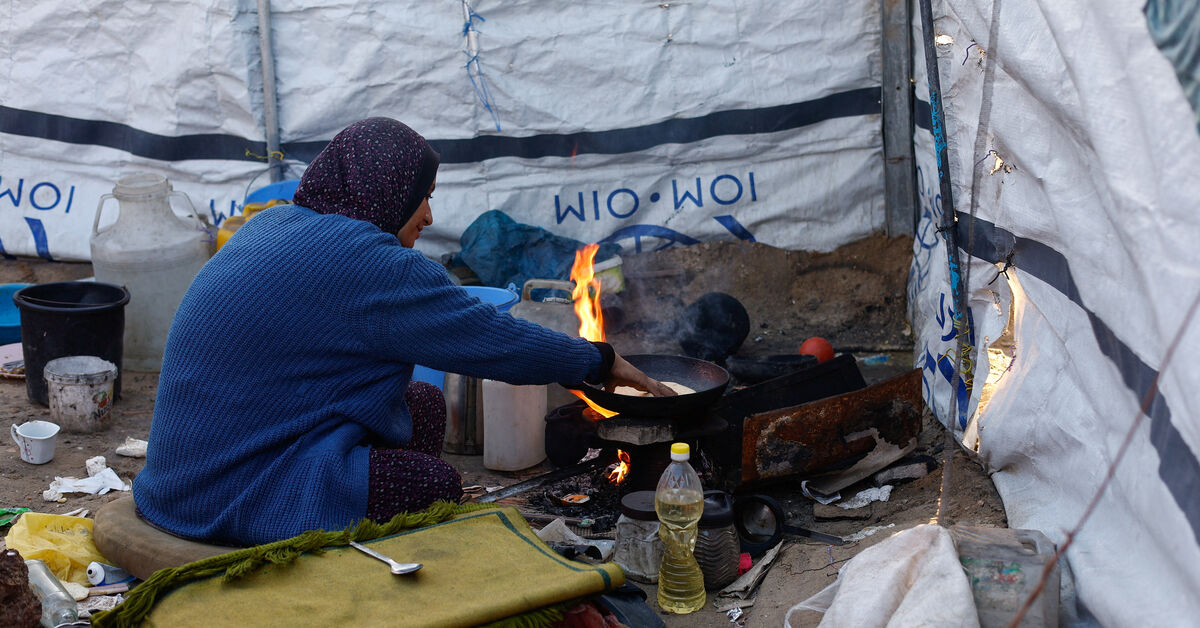
The evacuation orders impact at least 70 families, many of whom are already living in precarious conditions – in tents and partially damaged homes. Mahmoud, a resident who requested anonymity, described the situation as a recurring pattern. He stated that this is potentially the fourth or fifth time the “yellow line” – the demarcation line beyond which Israeli forces have withdrawn – has been moved westward, encroaching further into Palestinian-controlled territory. Each movement, he explained, expands the area under Israeli control by approximately 120-150 meters.
Ismail Al-Thawabta, director of the Hamas-run Gaza government media office, confirmed that Israeli forces have expanded their control in eastern Khan Younis five times since the ceasefire. This has already led to the displacement of at least 9,000 people. He emphasized that the new evacuation orders affect approximately 3,000 individuals and are contributing to a “state of humanitarian disruption,” exacerbating the already immense pressure on limited shelter resources and deepening the internal displacement crisis within the Gaza Governorate. The displacement of civilians is a major concern, particularly given the limited resources available.
القيود المفروضة على الحركة وتأثيرها على الحياة اليومية (Restrictions on Movement and Their Impact on Daily Life)
Virtually the entire population of Gaza, exceeding 2 million people, is now confined to roughly a third of the territory. Most are living in makeshift tents and damaged buildings, attempting to rebuild their lives under Hamas administration. This severe restriction on movement significantly hinders access to essential services, including healthcare, education, and employment. The ongoing Gaza ceasefire is increasingly threatened by these actions.
الخلافات المستمرة حول مستقبل الهدنة (Ongoing Disagreements Regarding the Future of the Truce)
The ceasefire, brokered by the United States, has stalled at its initial phase. While major fighting has ceased and Israel has withdrawn from a portion of Gaza, Hamas has only released a limited number of hostages in exchange for Palestinian detainees and prisoners. Both Israel and Hamas accuse each other of violating the terms of the ceasefire, and significant disagreements remain regarding the more challenging steps outlined for the next phase.
U.S. President Donald Trump’s proposed plan envisions Hamas disarming, further Israeli withdrawal, and an internationally supported administration rebuilding Gaza. However, the implementation of these steps remains uncertain. The situation is further complicated by continued Israeli airstrikes and targeted operations across Gaza, with the military stating it views any attempts by militant groups to attack Israel “with utmost severity.”
الخسائر البشرية المستمرة (Continued Human Losses)
Since the ceasefire took effect, over 460 Palestinians and three Israeli soldiers have reportedly been killed. This grim statistic underscores the fragility of the truce and the ongoing risk to civilian lives. The initial conflict, triggered by a Hamas-led attack in October 2023 that resulted in the deaths of 1,200 Israelis, led to a devastating Israeli assault that, according to health authorities in Gaza, has claimed the lives of 71,000 Palestinians. The humanitarian crisis in Gaza demands urgent attention and a renewed commitment to a lasting peace.
In conclusion, the recent evacuation orders issued by Israeli forces represent a worrying development that threatens to unravel the fragile ceasefire in Gaza. The forced displacement of civilians, coupled with ongoing restrictions on movement and unresolved disagreements regarding the future of the truce, are exacerbating the already dire humanitarian situation. A renewed commitment to dialogue and a focus on addressing the root causes of the conflict are essential to prevent further escalation and ensure the safety and well-being of all those affected. Further updates on the Gaza conflict will be crucial in the coming days.


